

Teatro Romano e Museu Arqueológico
Última atualização em 9 de novembro de 2026Horários verificados novembro de 2026
Verona tem dois edifícios romanos de espectáculos, e a maioria dos visitantes só encontra um. A Arena é o anfiteatro, para os jogos; o Teatro Romano, na margem oposta do Ádige, sob Castel San Pietro, é o teatro, para o drama.
Foi construído no final do século I a.C., ficou soterrado sob casas durante séculos e foi desenterrado a partir da década de 1830 por um comerciante veronês que comprou os edifícios que tinha por cima e os mandou derrubar.
Por cima das bancadas, num antigo convento, fica o Museu Arqueológico. O teatro continua a receber peças todos os verões, que é a melhor maneira de o ver.
O desafio para quem visita
Closed Mondays, and in summer the theatre is a stage. From June the cavea is fitted with a modern platform for the Estate Teatrale Veronese, the Shakespeare festival it has run for decades, and the monument is visited around the programme rather than instead of it. The Arena does the same thing and everyone knows; here it surprises people.
The quieter half of the trap is the clock. The museum shuts at 18:00 and the last entry is 17:30 — early for a site most visitors reach late in the day, after the climb to Castel San Pietro above it.
Verificado em Comune di Verona, novembro de 2026.
Dicas e estratégia de visita
Quando ir
Late afternoon is the best light over the river and the city from the cavea, and the hillside is cooler by then.
Summer evenings during the theatre season are the point of the place -- seeing a play in the building it was designed for is a different experience from touring the ruin.
Spring and autumn are the comfortable seasons for the climb; the site is exposed and Verona is severe in July and August.
Mornings are quietest, though the site opens later on Mondays.
Como aproveitar ao máximo
Climb through to the museum rather than stopping at the ruin. One ticket covers the theatre and the archaeological museum above it, the climb up through the former convent is part of the visit, and the terrace at the top gives the view back across the Adige to the old city that the cavea cannot.
Last admission is 17.30. If the climb is the problem, the whole cavea is visible free from Ponte Pietra and the far bank, and Castel San Pietro looks straight down into it — that view shows what the building is better than standing in it does.
Quanto custa
One ticket covers the theatre and the Archaeological Museum above it, in the former convent — they are not separable, and the museum is the better half more often than visitors expect.
- €9.00 full
- €6.00 reduced — groups of fifteen or more, over-65s, Veneto MyCARD holders, specific agreements
- €2.00 for 18–25s — EU citizens, and non-EU on a reciprocity basis (currently Norway, Switzerland, Liechtenstein, Iceland and Uruguay)
- Free — under-18s, with under-14s accompanied; disabled visitors and their companion
€1 on the first Sunday of the month, November to March. That rate applies across Verona's civic museums in the winter half of the year, and it is the cheapest way to see this one.
Buy online at verona.coopculture.it or at the ticket office at the museum entrance. Anyone claiming a reduction or a free entry has to show the document that justifies it on the way in.
Verificado em Visit Verona, outubro de 2026.
Como chegar e entrar
Entrada: €9 · Reduced €6.00 for groups of 15+, over-65s and Veneto MyCARD; 18–25s €2.00; free under 18 and for disabled visitors with a companion
Preços verificados em novembro de 2026
Um bilhete cobre o teatro e o museu, e ambos estão incluídos no Verona Card.
O que é gratuito
Do teatro vê-se muito sem pagar. A ruína dá para o rio, e toda a cávea se vê da Ponte Pietra e da margem oposta — ambas gratuitas —, e é a vista que mostra realmente o que o edifício é.
Também o Castel San Pietro, no terraço mesmo por cima, é gratuito e olha diretamente para dentro dele.
O bilhete começa no portão do lado do rio e cobre o piso do teatro, a subida pelas bancadas e o museu arqueológico no convento acima.
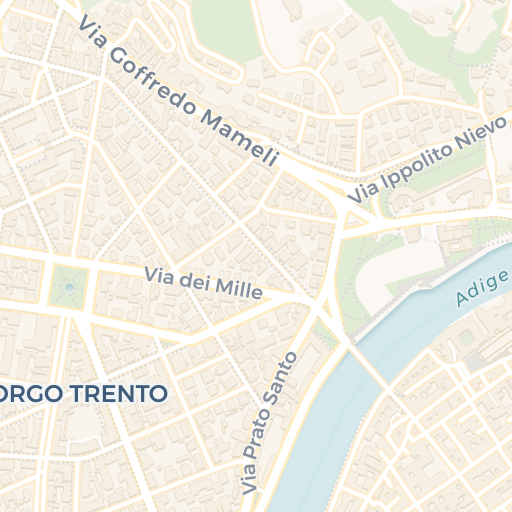
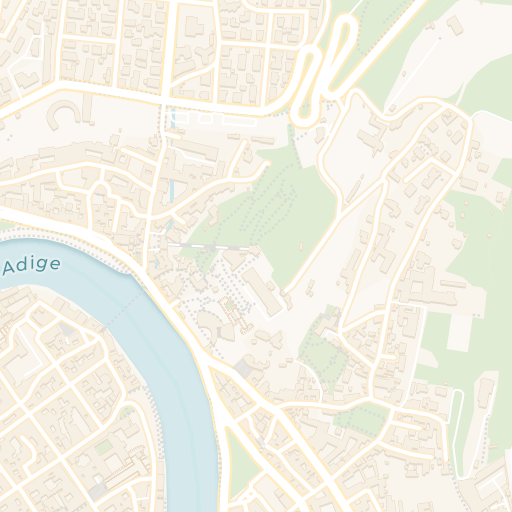
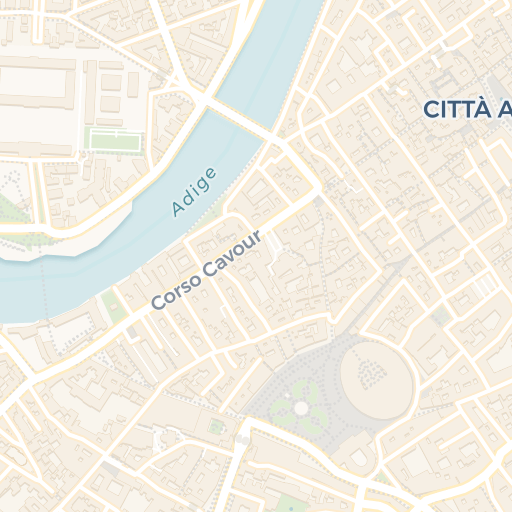
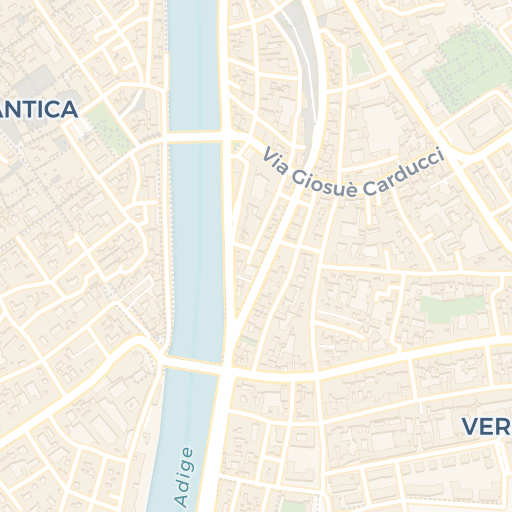
Fica do outro lado da Ponte Pietra a partir do centro, a cerca de dez minutos a pé da piazza delle Erbe, e combina-se naturalmente com a ponte e com Castel San Pietro lá em cima.
O sítio fecha à segunda-feira de manhã e tem horários sazonais; durante o festival de verão o próprio teatro pode estar fechado a visitas diurnas enquanto se monta o palco, o que vale a pena confirmar se a ruína for o seu principal interesse.
Conte com uma hora a hora e meia com o museu.
Este é um sítio de encosta, íngreme e com degraus, sobre pedra antiga irregular. Não é acessível em cadeira de rodas e é duro para quem tenha mobilidade reduzida. Há elevador em parte do museu.
Use calçado adequado; a pedra escorrega quando está molhada.
Verificado em ArcheoVeneto, novembro de 2026.
Acessibilidade do local
Free entry for a disabled visitor and their companion.
This is a Roman theatre cut into a hillside, and the site climbs: the cavea rises in stone tiers from the river level, and the Archaeological Museum sits above the seating in a former convent reached from the top of it. Expect height gain and historic stone throughout.
Not published, and not guessed: whether a lift serves the museum above the cavea, and whether any step-free route reaches the theatre floor. The museum service publishes an accessibility declaration and answers enquiries — ask before you travel, and we will record what they say.
Verificado em ArcheoVeneto, novembro de 2026.
Dados rápidos
- Tipo: Local histórico
- Entrada: €9
- Reserva: Não é necessária — bilhetes na bilheteira
- Visita típica: Cerca de 1 hora e 30 minutos
- Construído: Late 1st century BC; excavated from the 1830s
- Estilo arquitetónico: Romano
- Verona’s other Roman building: The Arena is an amphitheatre, for games; this is a theatre, for drama. It uses the hillside to carry its tiers, the Greek solution, rather than standing free like the Arena.
- Dug out at one man’s expense: The site had vanished under houses. From the 1830s the Veronese merchant Andrea Monga bought the buildings covering it and demolished them himself to excavate what lay beneath.
- Património Mundial da UNESCO: Sim
Visita responsável
A alvenaria romana é a peça exposta e pisa-se boa parte dela. Mantenha-se nos percursos assinalados e não trepe ao edifício de cena arruinado nem às infra-estruturas.
Não leve nada, incluindo fragmentos soltos — isto continua a ser um sítio arqueológico.
A encosta acima é residencial. Baixe o ruído, sobretudo ao sair dos espectáculos nocturnos.
Combinar o bilhete com o Verona Card apoia os museus mais pequenos da cidade, muito menos visitados do que este.
Chegue a pé pela Ponte Pietra em vez de carro; as ruas desta margem são estreitas e em boa parte residenciais.