

Römisches Theater und Archäologisches Museum
Zuletzt aktualisiert am 9. November 2026Öffnungszeiten geprüft November 2026
Verona hat zwei römische Veranstaltungsbauten, und die meisten Besucher finden nur einen. Die Arena ist das Amphitheater, für Spiele; das Teatro Romano, am jenseitigen Ufer der Etsch unterhalb von Castel San Pietro, ist das Theater, für das Drama.
Es entstand im späten 1. Jahrhundert v. Chr., lag jahrhundertelang unter Häusern begraben und wurde ab den 1830er-Jahren von einem Veroneser Kaufmann freigelegt, der die darüberstehenden Gebäude kaufte und niederlegen ließ.
Über den Sitzreihen, in einem ehemaligen Kloster, liegt das Archäologische Museum. Im Theater werden noch immer jeden Sommer Stücke gespielt, was die beste Art ist, es zu sehen.
Die Herausforderung für Besucher
Closed Mondays, and in summer the theatre is a stage. From June the cavea is fitted with a modern platform for the Estate Teatrale Veronese, the Shakespeare festival it has run for decades, and the monument is visited around the programme rather than instead of it. The Arena does the same thing and everyone knows; here it surprises people.
The quieter half of the trap is the clock. The museum shuts at 18:00 and the last entry is 17:30 — early for a site most visitors reach late in the day, after the climb to Castel San Pietro above it.
Geprüft bei Comune di Verona, November 2026.
Tipps und Strategie für den Besuch
Der richtige Zeitpunkt
Late afternoon is the best light over the river and the city from the cavea, and the hillside is cooler by then.
Summer evenings during the theatre season are the point of the place -- seeing a play in the building it was designed for is a different experience from touring the ruin.
Spring and autumn are the comfortable seasons for the climb; the site is exposed and Verona is severe in July and August.
Mornings are quietest, though the site opens later on Mondays.
So gelingt der Besuch
Climb through to the museum rather than stopping at the ruin. One ticket covers the theatre and the archaeological museum above it, the climb up through the former convent is part of the visit, and the terrace at the top gives the view back across the Adige to the old city that the cavea cannot.
Last admission is 17.30. If the climb is the problem, the whole cavea is visible free from Ponte Pietra and the far bank, and Castel San Pietro looks straight down into it — that view shows what the building is better than standing in it does.
Was es kostet
One ticket covers the theatre and the Archaeological Museum above it, in the former convent — they are not separable, and the museum is the better half more often than visitors expect.
- €9.00 full
- €6.00 reduced — groups of fifteen or more, over-65s, Veneto MyCARD holders, specific agreements
- €2.00 for 18–25s — EU citizens, and non-EU on a reciprocity basis (currently Norway, Switzerland, Liechtenstein, Iceland and Uruguay)
- Free — under-18s, with under-14s accompanied; disabled visitors and their companion
€1 on the first Sunday of the month, November to March. That rate applies across Verona's civic museums in the winter half of the year, and it is the cheapest way to see this one.
Buy online at verona.coopculture.it or at the ticket office at the museum entrance. Anyone claiming a reduction or a free entry has to show the document that justifies it on the way in.
Geprüft bei Visit Verona, Oktober 2026.
Anreise und Einlass
Eintritt: €9 · Reduced €6.00 for groups of 15+, over-65s and Veneto MyCARD; 18–25s €2.00; free under 18 and for disabled visitors with a companion
Preise geprüft im November 2026
Eine Karte deckt Theater und Museum ab, und beides ist in der Verona Card enthalten.
Was kostenlos ist
Vom Theater sieht man viel, ohne zu zahlen. Die Ruine liegt zum Fluss hin, und die gesamte Cavea ist von Ponte Pietra und vom gegenüberliegenden Ufer zu sehen — beides kostenlos —, und das ist der Blick, der zeigt, was der Bau eigentlich ist.
Auch Castel San Pietro auf der Terrasse direkt darüber ist kostenlos und blickt genau hinein.
Das Ticket beginnt am Tor zur Flussseite und umfasst den Theaterboden, den Aufstieg durch die Ränge und das Archäologische Museum im Kloster darüber.
Es liegt jenseits der Ponte Pietra vom Zentrum aus, etwa zehn Gehminuten von der Piazza delle Erbe, und verbindet sich natürlich mit der Brücke und mit Castel San Pietro darüber.
Das Gelände ist am Montagvormittag geschlossen und hat saisonale Zeiten; während des Sommerfestivals kann das Theater selbst für Tagesbesucher gesperrt sein, während aufgebaut wird — zu prüfen, wenn die Ruine Ihr Hauptinteresse ist.
Planen Sie mit Museum eine bis anderthalb Stunden ein.
Dies ist ein steiles, gestuftes Hanggelände auf unebenem antikem Stein. Es ist nicht rollstuhlgerecht und für Menschen mit eingeschränkter Mobilität beschwerlich. In einem Teil des Museums gibt es einen Aufzug.
Tragen Sie festes Schuhwerk; der Stein ist nass rutschig.
Geprüft bei ArcheoVeneto, November 2026.
Barrierefreiheit vor Ort
Free entry for a disabled visitor and their companion.
This is a Roman theatre cut into a hillside, and the site climbs: the cavea rises in stone tiers from the river level, and the Archaeological Museum sits above the seating in a former convent reached from the top of it. Expect height gain and historic stone throughout.
Not published, and not guessed: whether a lift serves the museum above the cavea, and whether any step-free route reaches the theatre floor. The museum service publishes an accessibility declaration and answers enquiries — ask before you travel, and we will record what they say.
Geprüft bei ArcheoVeneto, November 2026.
Kurzinfo
- Typ: Historischer Ort
- Eintritt: €9
- Reservierung: Nicht erforderlich — Tickets vor Ort
- Typischer Besuch: Etwa 1 Stunde 30 Minuten
- Erbaut: Late 1st century BC; excavated from the 1830s
- Baustil: Römisch
- Verona’s other Roman building: The Arena is an amphitheatre, for games; this is a theatre, for drama. It uses the hillside to carry its tiers, the Greek solution, rather than standing free like the Arena.
- Dug out at one man’s expense: The site had vanished under houses. From the 1830s the Veronese merchant Andrea Monga bought the buildings covering it and demolished them himself to excavate what lay beneath.
- UNESCO-Weltkulturerbe: Ja
Wo es liegt
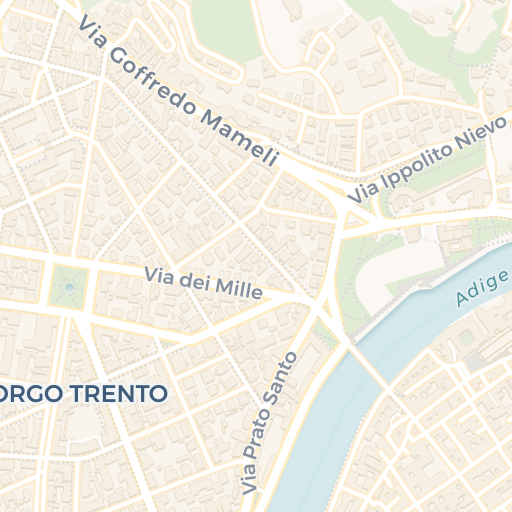
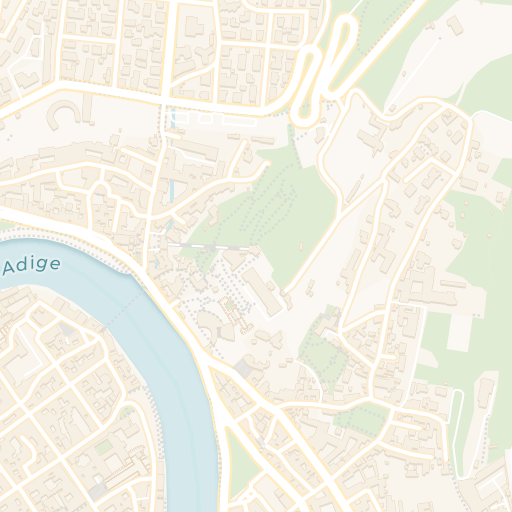
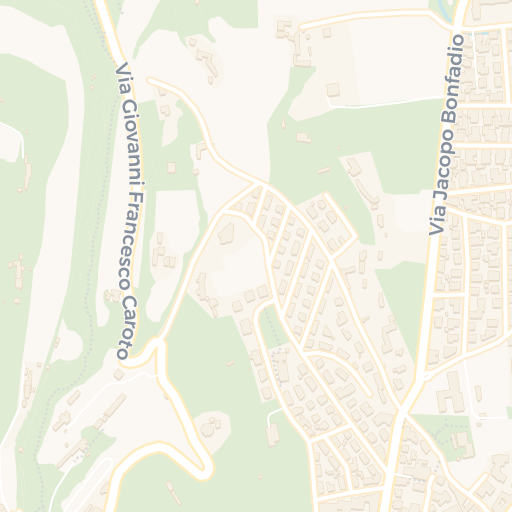
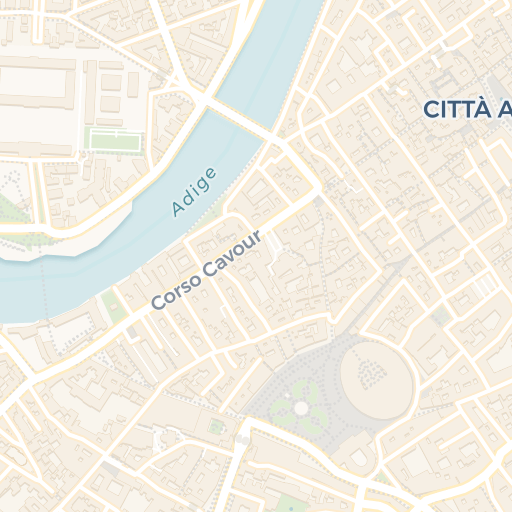
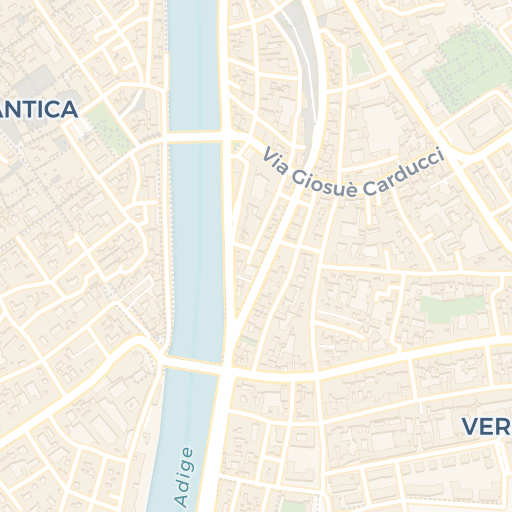
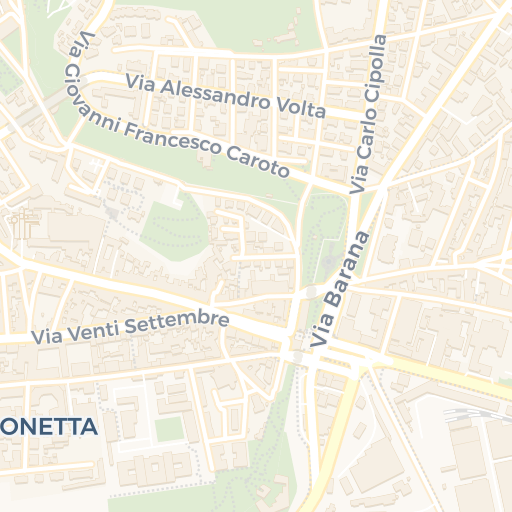
Route planen In Apple Karten öffnen
© OpenStreetMap contributors · © CARTO · 45.4472, 11.0011
Verantwortungsvoll besuchen
Das römische Mauerwerk ist das Ausstellungsstück, und über vieles davon geht man. Bleiben Sie auf den markierten Wegen und klettern Sie nicht auf das zerstörte Bühnengebäude oder die Unterbauten.
Nehmen Sie nichts mit, auch keine losen Bruchstücke — dies bleibt eine Grabungsstätte.
Der Hang darüber ist Wohngebiet. Halten Sie den Lärm gering, besonders beim Verlassen von Abendvorstellungen.
Die Karte mit der Verona Card zu verbinden unterstützt die kleineren Museen der Stadt, die weit weniger besucht werden als dieses.
Kommen Sie zu Fuß über die Ponte Pietra statt mit dem Auto; die Straßen an diesem Ufer sind schmal und weitgehend Wohnstraßen.