

Castel San Pietro
Zuletzt aktualisiert am 9. November 2026Castel San Pietro ist eine Aussichtsterrasse über der Etsch, während das mächtige Gebäude dahinter eine österreichische Militärkaserne ist und kein für die übliche Besichtigung geöffnetes Burginneres. Der Hügel trägt seit der Antike strategische und religiöse Anlagen, was dem Aussichtspunkt eine weit längere Geschichte gibt, als der Bau des 19. Jahrhunderts vermuten lässt.
Die Terrasse überblickt die Ponte Pietra, das römische Theater und das historische Zentrum Veronas. Eine Treppe steigt vom Ufer herauf, während die Standseilbahn zum Castel San Pietro während ihrer Betriebszeiten einen kürzeren Aufstieg bietet.
Die Herausforderung für Besucher
There is no castle to go into. The building on the hill is a nineteenth-century Austrian barracks and is closed to ordinary sightseeing, which regularly surprises people who have just climbed for twenty minutes expecting an interior. What is open is the terrace, and that is the whole visit.
Getting up is the other difficulty: the stair from the riverside is steep, fully exposed and punishing in summer, and the funicular that spares you it keeps shorter hours than the terrace does — the descent is what catches people out. Sunset draws the heaviest concentration of the day onto a parapet that is not especially long.
Tipps und Strategie für den Besuch
Der richtige Zeitpunkt
Sunset is the standard answer and it is the right one -- the terrace faces west over the whole city, with the Adige, Ponte Pietra and the Roman theatre directly below.
It is correspondingly busy in the hour before sunset; arriving forty minutes early gets you a place at the parapet.
Clear winter days give the sharpest views, sometimes as far as the Alps, and almost nobody is up there.
Spring and autumn are best for walking up; the stairway is steep and fully exposed, and is punishing in July and August.
The terrace is free and always open; the funicular has fixed hours, so check the last descent if you go up for the sunset.
So gelingt der Besuch
Go up by the funicular and walk down. The stair is steep, fully exposed and takes ten to fifteen minutes, which is a different proposition climbing than descending — and confirm the last descent before you rely on the funicular to bring you back, because its hours are shorter than the terrace's.
The terrace is free and always open; the building behind it is a former barracks and is not. If you have come for the sunset, be at the parapet forty minutes early. Walking down past the Roman theatre to Ponte Pietra is the route worth taking.
Was es kostet
The terrace costs nothing and never closes. The view — the Adige bend directly below, Ponte Pietra, the Roman theatre under your feet and the old city running west — is free at any hour of any day, which is the whole reason to come.
The building behind it is not visitable at all, at any price. It is a nineteenth-century Austrian barracks, closed to ordinary sightseeing, and it looks far more like a castle than its history warrants.
Getting up is where money comes in. The stairway from the riverside is free. The funicular is a paid ride that does the same climb in a little over a minute: €3.00 return, €2.00 for a single leg in either direction. It runs every day except 25 December and 1 January, 10:00–21:00 from April to October and 10:00–17:00 from November to March.
The reductions are for residence and age rather than for tourists. A return costs €2.00 for residents of the province of Verona, for under-10s, for over-65s and for groups of fifteen or more, and €1.00 for an under-10 or over-65 who is also a resident; a single leg is €1.50 for residents. It is free for children under two, for a disabled passenger travelling with a companion, for tourist guides, and for teachers accompanying a school party.
The thing to watch is the last ride, not the fare. The terrace never closes but the lift does, and from November to March it stops at 17:00 — about when the sun goes down in midwinter. Check it before you go up for the light, because the alternative is the stair.
Geprüft bei Funicolare di Castel San Pietro (AGEC), November 2026.
Anreise und Einlass
Eintritt: Kostenlos · Free public viewpoint; a funicular ride up has a small separate fare
Kostenlos, aber das Gebäude ist nicht der Besuch
Die Terrasse ist öffentlich und kostet nichts. Das Gebäude dahinter ist eine ehemalige österreichische Kaserne und nicht für die gewöhnliche Besichtigung geöffnet, was jene überrascht, die in Erwartung eines Burginneren hinaufgestiegen sind. Wofür Sie kommen, ist die Aussicht.
Hinaufkommen
Zwei Möglichkeiten. Die Treppe vom Ufer nahe der Ponte Pietra ist direkt, steil und dauert für die meisten zehn bis fünfzehn Minuten. Die Standseilbahn schafft es in etwa einer Minute und ist kostenpflichtig; ihre Betriebstage und -zeiten wechseln mit Saison und Wetter, also vorher bestätigen lassen, bevor man sich darauf verlässt — besonders für die Talfahrt, die Fahrt, bei der es die Leute erwischt.
Der Zeitpunkt
Am besten: eine Stunde vor Sonnenuntergang. Das Licht liegt schon auf der Stadt, die Terrasse ist noch nicht voll, und man kommt noch an die Brüstung.
Zu meiden: der Sonnenuntergang selbst im Sommer, wenn die Terrasse und die Wohngassen dahinter die dichteste Menge des Tages aufnehmen. Der frühe Morgen ist am ruhigsten, auch wenn die Stadt dann von hinten beleuchtet ist.
Auf der Terrasse
Es gibt wenig Schatten und so gut wie keine Einrichtungen. Das römische Theater liegt unmittelbar darunter und ist eine eigene kostenpflichtige Anlage, die man vom Ufer aus erreicht und nicht von der Terrasse darüber.
Geprüft bei Visit Verona, Oktober 2026.
Barrierefreiheit vor Ort
The funicular is what makes this viewpoint reachable without a climb, and it is an inclined lift rather than a cable car. It rises from the riverside near Ponte Pietra in a little over a minute and runs all year — 10:00–21:00 from April to October, 10:00–17:00 from November to March, every day except 25 December and 1 January. A disabled passenger travelling with a companion rides free, which the operator sets out in its own fare table rather than leaving to be asked for.
Getting into the lower station means asking for help. The main entrance is a stairway. There is a side entrance, on the right as you face the building, served by a small lift that a member of staff has to operate. A 2017 survey by disMappa, the Verona association that maps the city for wheelchair users, found that side entrance unsignposted, approached across some gradients, and called by ringing a blue bell; it also recorded two reserved disabled parking spaces in the forecourt, accessible and equipped toilets at both the lower and the upper station, and a guided route for blind visitors.
The terraces at the top are the catch, and it is a real one. That same survey found steps up onto both panoramic terraces — the smaller one you meet first and the wider one beyond it — so arriving at the summit by lift does not in itself put you at the parapet. A ramp broken by landings leads down to the piazzale below, which the survey calls comfortable in a wheelchair, with a metal handrail that gets hot in summer sun. These are 2017 observations by a third party and the operator publishes nothing on the point, so read them as the best account available rather than as today’s certainty.
The alternative on foot is hard. The stairway from the riverside is steep, completely exposed and takes most people ten to fifteen minutes — genuinely punishing in July and August.
The descent is what catches people out. The terrace never closes while the lift stops for the night, so it is possible to come up for the last of the light and find that the only way down is the stair, in the dark, on an open slope.
Kurzinfo
- Typ: Gebäudekomplex, Historischer Ort, Burg
- Besucherzugang: Für Besucher geöffnet
- Eintritt: Kostenlos
- Erbaut: 1852-1856, on a site fortified since antiquity
- Erbaut von: The Austrian army
- Erbaut für: a garrison barracks overlooking the city
- Baustil: 19th-century military
- A barracks, not a castle: The building on the hill is an Austrian barracks of the 1850s. The medieval castle it replaced was destroyed by Napoleonic troops in 1801, and the name is all that carried over.
- Where Verona began: The hill held the earliest settlement and later a Roman temple, so the city’s oldest ground is the one place from which the whole of it can be seen.
Wo es liegt
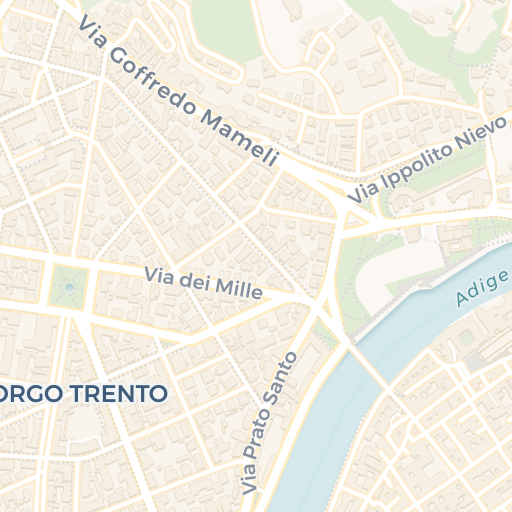
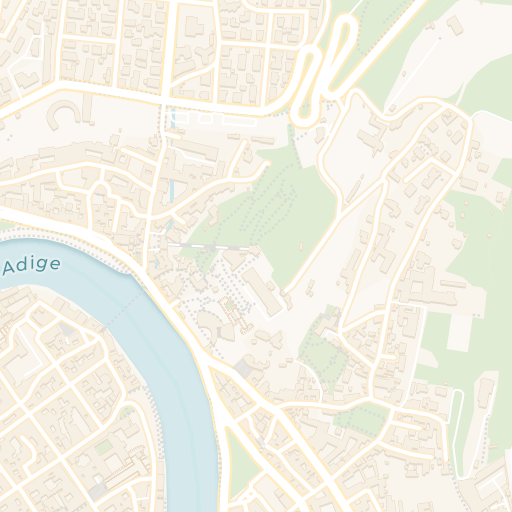
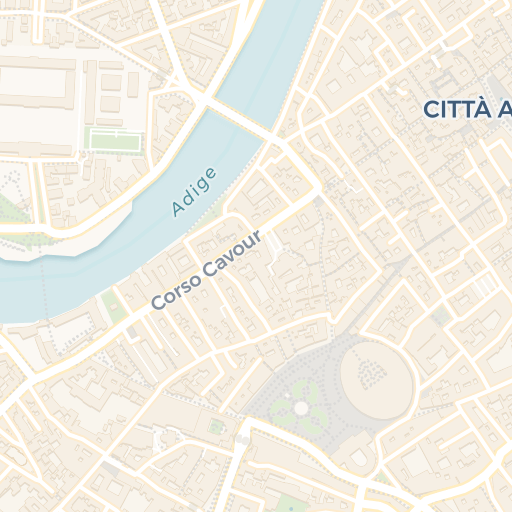
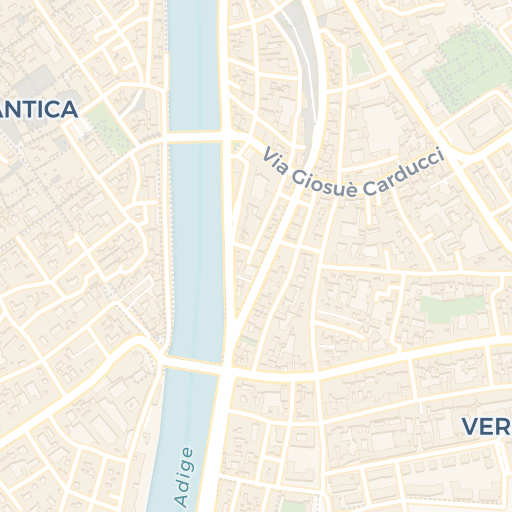
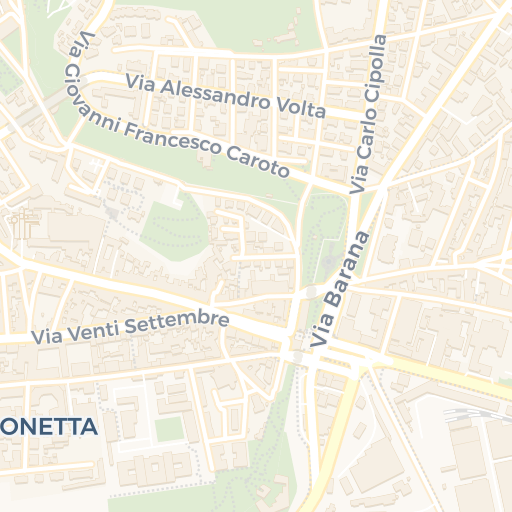
Route planen In Apple Karten öffnen
© OpenStreetMap contributors · © CARTO · 45.44802, 11.00297
Verantwortungsvoll besuchen
Der Sonnenuntergang bringt die dichteste Besucherkonzentration auf die Terrasse und in die nahen Wohngassen. Sich entlang des Aussichtspunkts zu verteilen statt sich in dessen Mitte zu ballen macht das Panorama leichter teilbar und mindert den Lärm in den Zugangsstraßen.