

Castel San Pietro
Dernière mise à jour le 9 novembre 2026Castel San Pietro est une terrasse panoramique au-dessus de l’Adige, tandis que l’imposant bâtiment derrière elle est une caserne militaire autrichienne et non un intérieur de château ouvert à la visite ordinaire. La colline porte des sites stratégiques et religieux depuis l’Antiquité, ce qui donne au point de vue une histoire bien plus longue que ne le suggère le bâtiment du XIXe siècle.
La terrasse domine le Ponte Pietra, le théâtre romain et le centre historique de Vérone. Un escalier monte depuis les quais, tandis que le funiculaire de Castel San Pietro offre une ascension plus courte pendant ses heures de service.
La difficulté pour les visiteurs
There is no castle to go into. The building on the hill is a nineteenth-century Austrian barracks and is closed to ordinary sightseeing, which regularly surprises people who have just climbed for twenty minutes expecting an interior. What is open is the terrace, and that is the whole visit.
Getting up is the other difficulty: the stair from the riverside is steep, fully exposed and punishing in summer, and the funicular that spares you it keeps shorter hours than the terrace does — the descent is what catches people out. Sunset draws the heaviest concentration of the day onto a parapet that is not especially long.
Conseils et stratégie de visite
Quand y aller
Sunset is the standard answer and it is the right one -- the terrace faces west over the whole city, with the Adige, Ponte Pietra and the Roman theatre directly below.
It is correspondingly busy in the hour before sunset; arriving forty minutes early gets you a place at the parapet.
Clear winter days give the sharpest views, sometimes as far as the Alps, and almost nobody is up there.
Spring and autumn are best for walking up; the stairway is steep and fully exposed, and is punishing in July and August.
The terrace is free and always open; the funicular has fixed hours, so check the last descent if you go up for the sunset.
En profiter vraiment
Go up by the funicular and walk down. The stair is steep, fully exposed and takes ten to fifteen minutes, which is a different proposition climbing than descending — and confirm the last descent before you rely on the funicular to bring you back, because its hours are shorter than the terrace's.
The terrace is free and always open; the building behind it is a former barracks and is not. If you have come for the sunset, be at the parapet forty minutes early. Walking down past the Roman theatre to Ponte Pietra is the route worth taking.
Ce que ça coûte
The terrace costs nothing and never closes. The view — the Adige bend directly below, Ponte Pietra, the Roman theatre under your feet and the old city running west — is free at any hour of any day, which is the whole reason to come.
The building behind it is not visitable at all, at any price. It is a nineteenth-century Austrian barracks, closed to ordinary sightseeing, and it looks far more like a castle than its history warrants.
Getting up is where money comes in. The stairway from the riverside is free. The funicular is a paid ride that does the same climb in a little over a minute: €3.00 return, €2.00 for a single leg in either direction. It runs every day except 25 December and 1 January, 10:00–21:00 from April to October and 10:00–17:00 from November to March.
The reductions are for residence and age rather than for tourists. A return costs €2.00 for residents of the province of Verona, for under-10s, for over-65s and for groups of fifteen or more, and €1.00 for an under-10 or over-65 who is also a resident; a single leg is €1.50 for residents. It is free for children under two, for a disabled passenger travelling with a companion, for tourist guides, and for teachers accompanying a school party.
The thing to watch is the last ride, not the fare. The terrace never closes but the lift does, and from November to March it stops at 17:00 — about when the sun goes down in midwinter. Check it before you go up for the light, because the alternative is the stair.
Vérifié auprès de Funicolare di Castel San Pietro (AGEC), novembre 2026.
S'y rendre et entrer
Entrée: Gratuit · Free public viewpoint; a funicular ride up has a small separate fare
Gratuit, mais le bâtiment n’est pas la visite
La terrasse est publique et ne coûte rien. Le bâtiment derrière est une ancienne caserne autrichienne et n’est pas ouvert à la visite ordinaire, ce qui surprend ceux qui ont monté en espérant un intérieur de château. Ce pour quoi vous venez, c’est la vue.
Monter
Deux options. L’escalier depuis les quais près du Ponte Pietra est direct, raide, et prend à la plupart dix à quinze minutes. Le funiculaire le fait en une minute environ et est payant ; ses jours et heures varient selon la saison et la météo, à confirmer avant d’y compter — surtout pour la descente, qui est le trajet où l’on se fait prendre.
Le moment
Le mieux : une heure avant le coucher du soleil. La lumière est déjà sur la ville, la terrasse n’est pas encore pleine, et l’on peut encore atteindre le parapet.
À éviter : le coucher du soleil lui-même en été, quand la terrasse et les ruelles résidentielles derrière reçoivent la plus forte concentration de la journée. Le petit matin est le plus calme, même si la ville est alors éclairée de dos.
Sur la terrasse
Il y a peu d’ombre et à peu près aucun équipement. Le théâtre romain se trouve juste en dessous : c’est un site payant distinct, auquel on accède depuis les quais et non depuis la terrasse au-dessus.
Vérifié auprès de Visit Verona, octobre 2026.
Accessibilité du lieu
The funicular is what makes this viewpoint reachable without a climb, and it is an inclined lift rather than a cable car. It rises from the riverside near Ponte Pietra in a little over a minute and runs all year — 10:00–21:00 from April to October, 10:00–17:00 from November to March, every day except 25 December and 1 January. A disabled passenger travelling with a companion rides free, which the operator sets out in its own fare table rather than leaving to be asked for.
Getting into the lower station means asking for help. The main entrance is a stairway. There is a side entrance, on the right as you face the building, served by a small lift that a member of staff has to operate. A 2017 survey by disMappa, the Verona association that maps the city for wheelchair users, found that side entrance unsignposted, approached across some gradients, and called by ringing a blue bell; it also recorded two reserved disabled parking spaces in the forecourt, accessible and equipped toilets at both the lower and the upper station, and a guided route for blind visitors.
The terraces at the top are the catch, and it is a real one. That same survey found steps up onto both panoramic terraces — the smaller one you meet first and the wider one beyond it — so arriving at the summit by lift does not in itself put you at the parapet. A ramp broken by landings leads down to the piazzale below, which the survey calls comfortable in a wheelchair, with a metal handrail that gets hot in summer sun. These are 2017 observations by a third party and the operator publishes nothing on the point, so read them as the best account available rather than as today’s certainty.
The alternative on foot is hard. The stairway from the riverside is steep, completely exposed and takes most people ten to fifteen minutes — genuinely punishing in July and August.
The descent is what catches people out. The terrace never closes while the lift stops for the night, so it is possible to come up for the last of the light and find that the only way down is the stair, in the dark, on an open slope.
Informations essentielles
- Type: Ensemble de sites, Lieu historique, Château fort
- Accès visiteurs: Ouvert aux visiteurs
- Entrée: Gratuit
- Construit: 1852-1856, on a site fortified since antiquity
- Construit par: The Austrian army
- Construit pour: a garrison barracks overlooking the city
- Style architectural: 19th-century military
- A barracks, not a castle: The building on the hill is an Austrian barracks of the 1850s. The medieval castle it replaced was destroyed by Napoleonic troops in 1801, and the name is all that carried over.
- Where Verona began: The hill held the earliest settlement and later a Roman temple, so the city’s oldest ground is the one place from which the whole of it can be seen.
Où se trouve-t-il
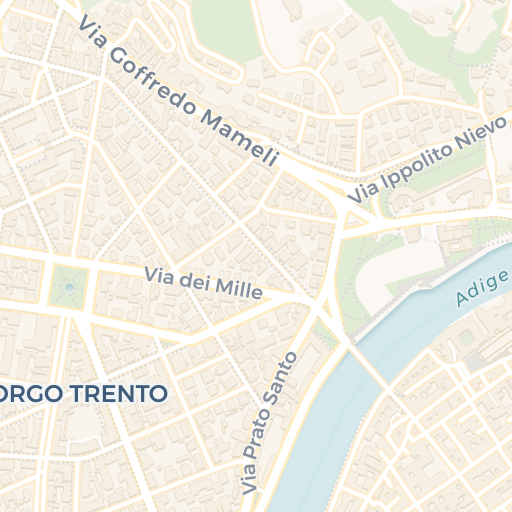
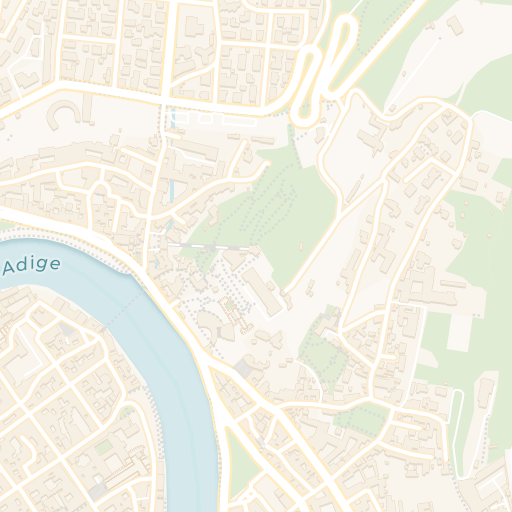
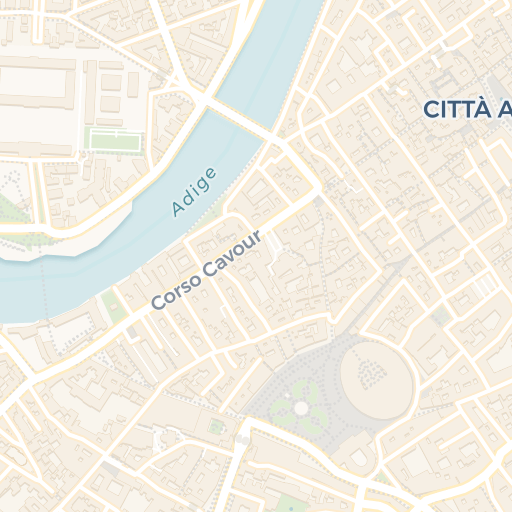
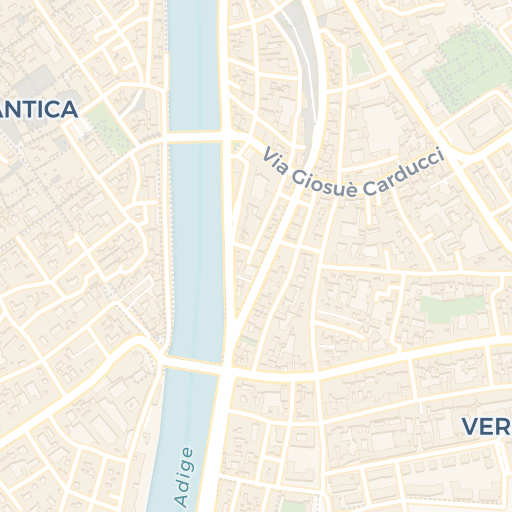
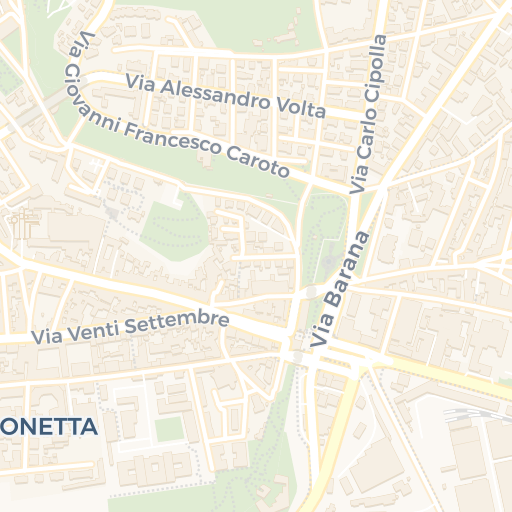
Itinéraire Ouvrir dans Apple Plans
© OpenStreetMap contributors · © CARTO · 45.44802, 11.00297
Visite responsable
Le coucher du soleil amène la plus forte concentration de visiteurs sur la terrasse et dans les ruelles résidentielles voisines. S’étaler le long du belvédère plutôt que de se masser en son centre rend le panorama plus facile à partager et réduit le bruit dans les rues d’accès.