

Roman Theatre and Archaeological Museum
Last updated on October 9, 2026Why visit Roman Theatre and Archaeological Museum
Verona has two Roman entertainment buildings and most visitors find only one. The Arena is the amphitheatre, for games; this is the theatre, for drama — older, quieter, and on the opposite bank. It vanished under houses for centuries and was dug out from the 1830s by a merchant who bought the buildings standing on top of it and demolished them. The archaeological museum above occupies the convent that survived the clearance, and the climb through it is part of the visit.
Visit if you:
- are fascinated by Roman and antique history, and want the half of it Verona hides
- like seeing how a buried building is recovered rather than preserved
- want the terrace view back across the Adige to the old city
- would rather visit the Arena’s quieter contemporary
Skip it if you:
- cannot manage a stepped climb; the museum sits above the theatre and the route up is uneven
- are expecting the Arena — this is a smaller, older, quieter ruin and not a rival to it
Quick facts
- Type: Historic Place
- Local name: Teatro Romano e Museo Archeologico (vedi la pagina italiana)
- Admission: €4.5
- Reservation: Not required — tickets on the door
- Typical visit: About 1 hour 30 minutes
- Built: Late 1st century BC; excavated from the 1830s
- Architectural style: Roman
- Verona’s other Roman building: The Arena is an amphitheatre, for games; this is a theatre, for drama. It uses the hillside to carry its tiers, the Greek solution, rather than standing free like the Arena.
- Dug out at one man’s expense: The site had vanished under houses. From the 1830s the Veronese merchant Andrea Monga bought the buildings covering it and demolished them himself to excavate what lay beneath.
- UNESCO World Heritage Site: Yes
Visit responsibly
The Roman stonework is the exhibit and much of it is walked on. Keep to the marked routes, and do not climb on the ruined stage building or the substructures.
Do not remove anything, including loose fragments -- this remains an archaeological site.
The hillside above is residential. Keep noise down, particularly leaving evening performances.
Combining the ticket with the Verona Card supports the city's smaller museums, which are far less visited than this one.
Arrive on foot over Ponte Pietra rather than driving; the streets on this bank are narrow and largely residential.
Where it is
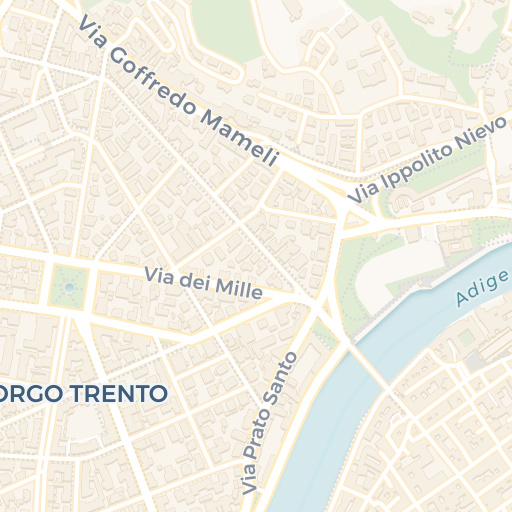
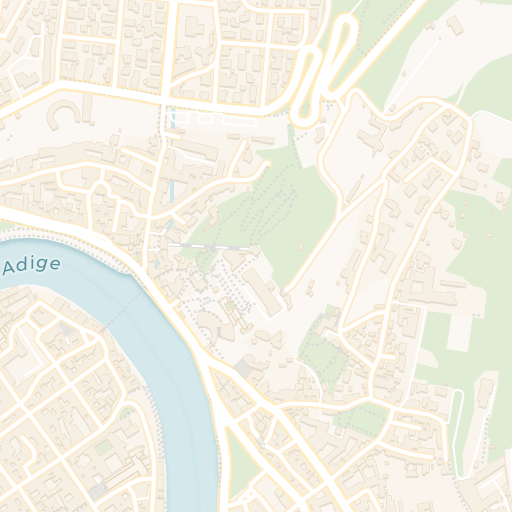
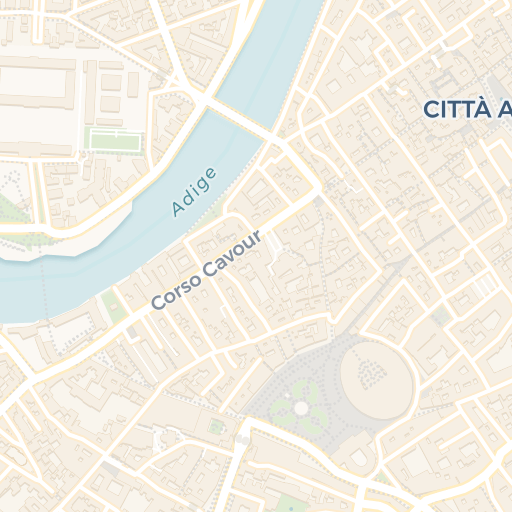
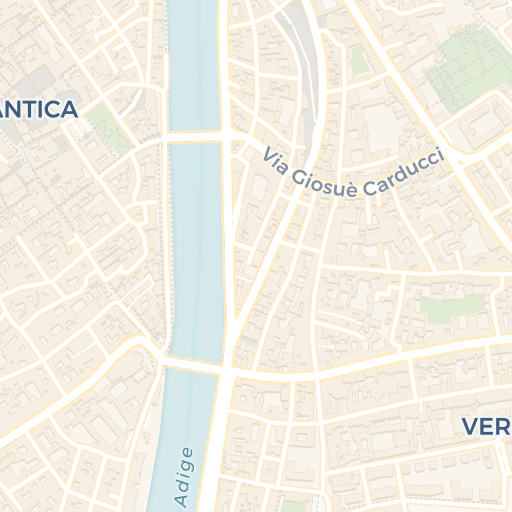
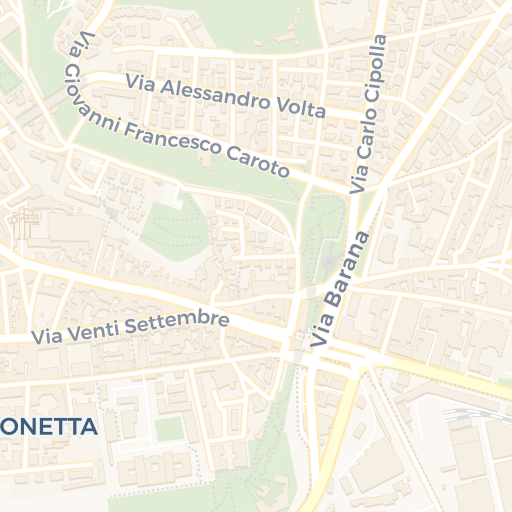
Get directions Open in Apple Maps
© OpenStreetMap contributors · © CARTO · 45.4472, 11.0011
Plan your visit
Admission: €4.5 · One ticket for the theatre and the archaeological museum above it
One ticket covers the theatre and the museum, and both are included in the Verona Card.
What is free
You can see a great deal of the theatre without paying for it. The ruin faces the river, and the whole cavea is visible from Ponte Pietra and the opposite bank — both free — which is the view that shows what the building actually is.
Castel San Pietro, on the terrace directly above, is also free and looks straight down into it.
The ticket begins at the gate on the river side, and covers the theatre floor, the climb through the tiers and the archaeological museum in the convent above.
It is across Ponte Pietra from the centre, about ten minutes' walk from Piazza delle Erbe, and combines naturally with the bridge and with Castel San Pietro above.
The site closes on Monday mornings and has seasonal hours; during the summer festival the theatre itself may be closed to daytime visitors while staging is set up, so check if the ruin is your main interest.
Allow an hour to ninety minutes with the museum.
This is a steep, stepped hillside site on uneven ancient stone. It is not wheelchair accessible and is hard going for anyone with limited mobility. There is a lift within part of the museum.
Wear proper shoes; the stone is slippery when wet.
When to visit
Late afternoon is the best light over the river and the city from the cavea, and the hillside is cooler by then.
Summer evenings during the theatre season are the point of the place -- seeing a play in the building it was designed for is a different experience from touring the ruin.
Spring and autumn are the comfortable seasons for the climb; the site is exposed and Verona is severe in July and August.
Mornings are quietest, though the site opens later on Mondays.