

Théâtre romain et Musée archéologique
Dernière mise à jour le 9 novembre 2026Horaires vérifiés novembre 2026
Vérone possède deux édifices de spectacle romains, et la plupart des visiteurs n’en trouvent qu’un. Les Arènes sont l’amphithéâtre, pour les jeux ; le Teatro Romano, sur l’autre rive de l’Adige sous Castel San Pietro, est le théâtre, pour le drame.
Il a été bâti à la fin du Ier siècle av. J.-C., enfoui sous des maisons pendant des siècles, puis dégagé à partir des années 1830 par un marchand véronais qui a acheté les bâtiments posés dessus et les a fait abattre.
Au-dessus des gradins, dans un ancien couvent, se trouve le Musée archéologique. Le théâtre accueille encore des pièces chaque été, ce qui est la meilleure façon de le voir.
La difficulté pour les visiteurs
Closed Mondays, and in summer the theatre is a stage. From June the cavea is fitted with a modern platform for the Estate Teatrale Veronese, the Shakespeare festival it has run for decades, and the monument is visited around the programme rather than instead of it. The Arena does the same thing and everyone knows; here it surprises people.
The quieter half of the trap is the clock. The museum shuts at 18:00 and the last entry is 17:30 — early for a site most visitors reach late in the day, after the climb to Castel San Pietro above it.
Vérifié auprès de Comune di Verona, novembre 2026.
Conseils et stratégie de visite
Quand y aller
Late afternoon is the best light over the river and the city from the cavea, and the hillside is cooler by then.
Summer evenings during the theatre season are the point of the place -- seeing a play in the building it was designed for is a different experience from touring the ruin.
Spring and autumn are the comfortable seasons for the climb; the site is exposed and Verona is severe in July and August.
Mornings are quietest, though the site opens later on Mondays.
En profiter vraiment
Climb through to the museum rather than stopping at the ruin. One ticket covers the theatre and the archaeological museum above it, the climb up through the former convent is part of the visit, and the terrace at the top gives the view back across the Adige to the old city that the cavea cannot.
Last admission is 17.30. If the climb is the problem, the whole cavea is visible free from Ponte Pietra and the far bank, and Castel San Pietro looks straight down into it — that view shows what the building is better than standing in it does.
Ce que ça coûte
One ticket covers the theatre and the Archaeological Museum above it, in the former convent — they are not separable, and the museum is the better half more often than visitors expect.
- €9.00 full
- €6.00 reduced — groups of fifteen or more, over-65s, Veneto MyCARD holders, specific agreements
- €2.00 for 18–25s — EU citizens, and non-EU on a reciprocity basis (currently Norway, Switzerland, Liechtenstein, Iceland and Uruguay)
- Free — under-18s, with under-14s accompanied; disabled visitors and their companion
€1 on the first Sunday of the month, November to March. That rate applies across Verona's civic museums in the winter half of the year, and it is the cheapest way to see this one.
Buy online at verona.coopculture.it or at the ticket office at the museum entrance. Anyone claiming a reduction or a free entry has to show the document that justifies it on the way in.
Vérifié auprès de Visit Verona, octobre 2026.
S'y rendre et entrer
Entrée: €9 · Reduced €6.00 for groups of 15+, over-65s and Veneto MyCARD; 18–25s €2.00; free under 18 and for disabled visitors with a companion
Prix vérifiés en novembre 2026
Un seul billet couvre le théâtre et le musée, et les deux sont inclus dans la Verona Card.
Ce qui est gratuit
On voit une grande partie du théâtre sans payer. La ruine fait face au fleuve, et toute la cavea se voit depuis Ponte Pietra et la rive opposée — l'un et l'autre gratuits —, et c'est la vue qui montre ce qu'est réellement l'édifice.
Castel San Pietro, sur la terrasse juste au-dessus, est également gratuit et plonge droit dedans.
Le billet commence à la grille côté fleuve et couvre le sol du théâtre, la montée dans les gradins et le musée archéologique installé dans le couvent au-dessus.
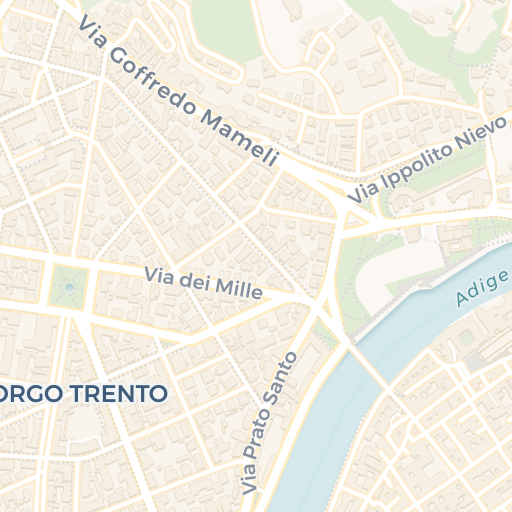
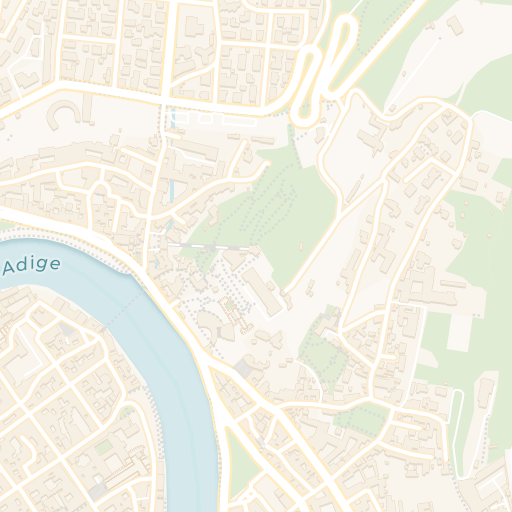
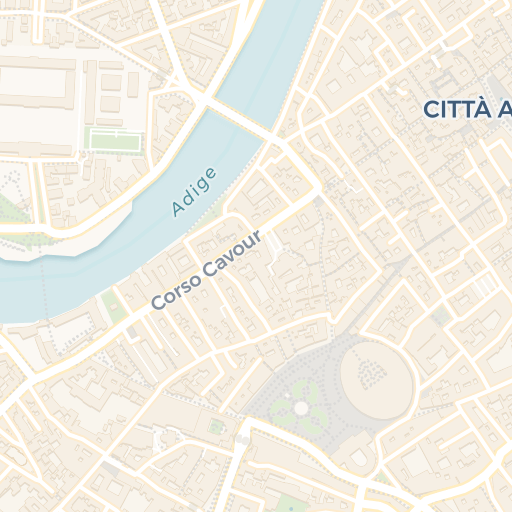
C’est de l’autre côté du Ponte Pietra depuis le centre, à environ dix minutes à pied de la piazza delle Erbe, et cela se combine naturellement avec le pont et avec Castel San Pietro au-dessus.
Le site ferme le lundi matin et a des horaires saisonniers ; pendant le festival d’été, le théâtre lui-même peut être fermé aux visiteurs de jour pendant le montage, à vérifier si la ruine est votre intérêt principal.
Prévoyez une heure à une heure et demie avec le musée.
C’est un site de coteau raide et en marches, sur de la pierre ancienne inégale. Il n’est pas accessible en fauteuil roulant et reste difficile pour toute personne à mobilité réduite. Il existe un ascenseur dans une partie du musée.
Portez de vraies chaussures ; la pierre glisse quand elle est mouillée.
Vérifié auprès de ArcheoVeneto, novembre 2026.
Accessibilité du lieu
Free entry for a disabled visitor and their companion.
This is a Roman theatre cut into a hillside, and the site climbs: the cavea rises in stone tiers from the river level, and the Archaeological Museum sits above the seating in a former convent reached from the top of it. Expect height gain and historic stone throughout.
Not published, and not guessed: whether a lift serves the museum above the cavea, and whether any step-free route reaches the theatre floor. The museum service publishes an accessibility declaration and answers enquiries — ask before you travel, and we will record what they say.
Vérifié auprès de ArcheoVeneto, novembre 2026.
Informations essentielles
- Type: Lieu historique
- Entrée: €9
- Réservation: Non requise — billets sur place
- Visite typique: Environ 1 heure 30
- Construit: Late 1st century BC; excavated from the 1830s
- Style architectural: Romain
- Verona’s other Roman building: The Arena is an amphitheatre, for games; this is a theatre, for drama. It uses the hillside to carry its tiers, the Greek solution, rather than standing free like the Arena.
- Dug out at one man’s expense: The site had vanished under houses. From the 1830s the Veronese merchant Andrea Monga bought the buildings covering it and demolished them himself to excavate what lay beneath.
- Site du patrimoine mondial de l'UNESCO: Oui
Où se trouve-t-il
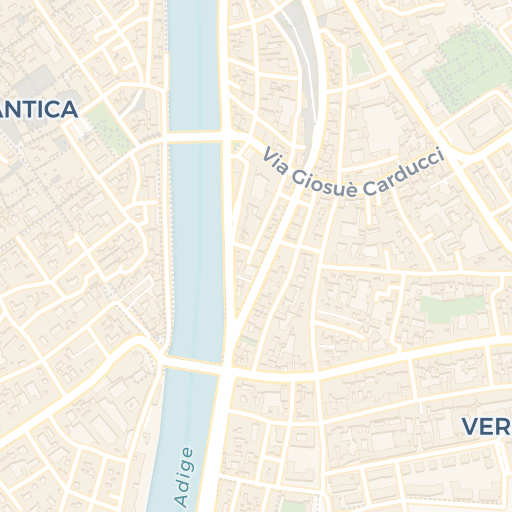
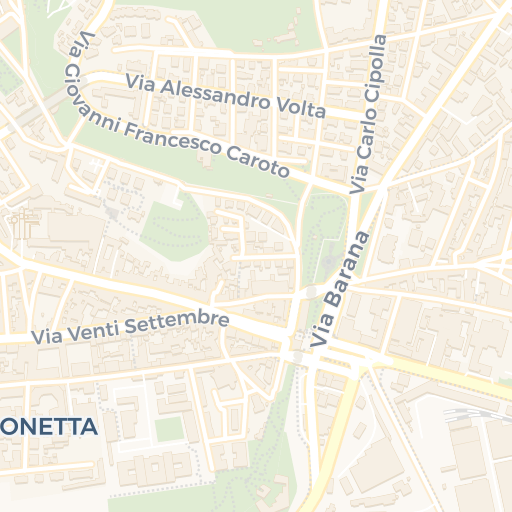
Itinéraire Ouvrir dans Apple Plans
© OpenStreetMap contributors · © CARTO · 45.4472, 11.0011
Visite responsable
La maçonnerie romaine est l’objet exposé et l’on marche sur une grande partie. Tenez-vous aux parcours balisés et ne grimpez pas sur le bâtiment de scène en ruine ni sur les substructions.
N’emportez rien, fragments détachés compris — cela reste un site archéologique.
Le coteau au-dessus est résidentiel. Restez discret, en particulier en sortant des représentations du soir.
Combiner le billet avec la Verona Card soutient les petits musées de la ville, bien moins visités que celui-ci.
Venez à pied par le Ponte Pietra plutôt qu’en voiture ; les rues de cette rive sont étroites et largement résidentielles.