

Ponte Pietra
Última atualização em 9 de novembro de 2026A Ponte Pietra leva os peões sobre o Ádige, entre a cidade velha e a zona do teatro romano. Houve aqui uma ponte em época romana, mas os cinco arcos desiguais que hoje se vêem contêm material e reconstruções de várias épocas, em vez de terem sobrevivido inalterados desde a Antiguidade.
As forças alemãs em retirada destruíram a maior parte da ponte em abril de 1945. A sua reconstrução do pós-guerra reutilizou, sempre que possível, pedras e tijolos recuperados do rio, devolvendo uma travessia que continua a fazer parte da vida diária da cidade.
O desafio para quem visita
The deck is old paving, cambered, and slick after rain, which makes it harder going than a bridge in the middle of a city looks. It is also narrow and it is a working route — residents cross it to get home — so there is nowhere to stand and look for long without being in someone's way. At sunset in season the photography clusters at the midpoint and the crossing becomes genuinely congested.
Dicas e estratégia de visita
Quando ir
Sunset is the time, and it is not a close call -- the bridge faces the light along the river, with the Roman theatre and Castel San Pietro rising behind it.
Early morning is the alternative if you want it without people; it is one of the most photographed spots in Verona and the middle of the day is busy.
Spring and autumn are the pleasant seasons. The riverside has little shade and Verona is genuinely hot in July and August.
After heavy rain the Adige runs high and fast under the arches, which is worth seeing -- this is the river that has taken the bridge down more than once.
Como aproveitar ao máximo
Cross to the Veronetta bank and look back. The bridge photographs from the far side, with the Roman theatre and Castel San Pietro rising behind it, and not from the deck you are standing on.
On the way across, stop once at the downstream parapet and find the joint between the Roman ashlar and the medieval brick — two of the five arches are original and the change is obvious once you have seen it. Do not plan to linger mid-span at sunset in season: it is narrow, and people are crossing to get home.
Quanto custa
Nothing. It is a public street. No ticket, no gate, no opening hours — it is lit at night and used by residents crossing between the old city and the Veronetta side at every hour.
Which means the one thing most people come for costs nothing either: the view back at the bridge from the far bank, with the Roman theatre and Castel San Pietro rising behind it. The paid attractions are the two on the hill above, not the crossing.
Verificado em Comune di Verona, novembro de 2026.
Como chegar e entrar
Entrada: Gratuito · Free public pedestrian bridge
Não há nada a tratar
A Ponte Pietra é uma rua pública. Sem bilhete, sem horário, sem portão — é iluminada à noite e usada a qualquer hora por residentes que passam entre a cidade velha e o lado de Veronetta. Tudo o que se segue é sobre a altura e o piso, porque não há mais nada a decidir.
A altura certa
Melhor: de manhã cedo, pela alvenaria, quando a luz rasante varre a junta entre os blocos romanos e o tijolo e torna a diferença óbvia. Também bom: a hora antes do pôr do sol, quando a luz bate na encosta de trás e Castel San Pietro está no seu melhor visto do parapeito.
Evite o próprio pôr do sol em época alta se quiser parar e olhar. A ponte é estreita, quem fotografa junta-se a meio, e transforma-se num estrangulamento para quem apenas quer chegar a casa.
Piso e acesso
O tabuleiro é irregular — calçada antiga, um abaulamento acentuado sobre os arcos e pedra gasta que escorrega depois da chuva. Os acessos nas duas pontas têm degraus ou rampa. É praticável para a maioria, mas não é uma superfície lisa, e quem ande sobre rodas deve confirmar o percurso pela marginal em vez de assumir uma travessia ao nível.
O que fica do outro lado
A margem norte deixa-o ao pé da subida para o teatro romano e para Castel San Pietro, que é a continuação natural do passeio e não uma saída à parte.
Verificado em Visit Verona, outubro de 2026.
Acessibilidade do local
Two accounts of this bridge disagree, and the difference matters if you are on wheels. Verona’s destination portal answers its own accessibility question with "the bridge is completely accessible". What we have recorded is a deck of old paving with a pronounced camber over the arches, worn stone that is slick after rain, and a step or a slope at the approaches.* Both can describe the same crossing — a tourist board calling a pedestrian bridge accessible is a coarse judgement rather than a surface survey — but we cannot reconcile them at the level of detail the decision actually needs.
So if a genuinely level crossing is essential, treat the riverside route as the safe choice rather than relying on either answer. It also happens to reach the view that makes this bridge worth the trip, which is from the far bank looking back.
No ticket, no gate, no closing time: the comune lists the bridge as an itinerary inside the pedestrian zone.
O que está marcado com * é a nossa própria leitura do local, não uma declaração do operador. Já perguntámos, e a resposta deles substituirá a nossa.
Dados rápidos
- Tipo: Local histórico, Ponte, Romano
- Acesso de visitantes: Aberto a visitantes
- Entrada: Gratuito
- Construído: 1st century BC; rebuilt 1957-1959
- Estilo arquitetónico: Romano
- Dimensões: Five arches
- Verona’s only Roman bridge: Known to the Romans as the Pons Marmoreus, it is the one bridge of Roman Verona still standing; the two arches at the northern end are original, the rest rebuilt over the centuries.
- Blown up in 1945, rebuilt from the riverbed: Retreating German troops destroyed it in 1945. It was rebuilt between 1957 and 1959 using the original stones, dredged back out of the Adige.
Onde fica
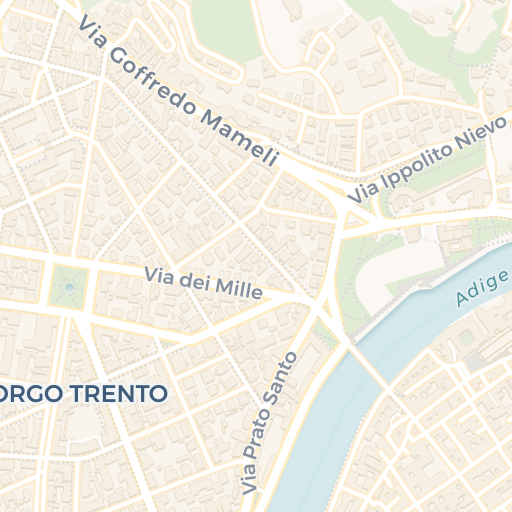
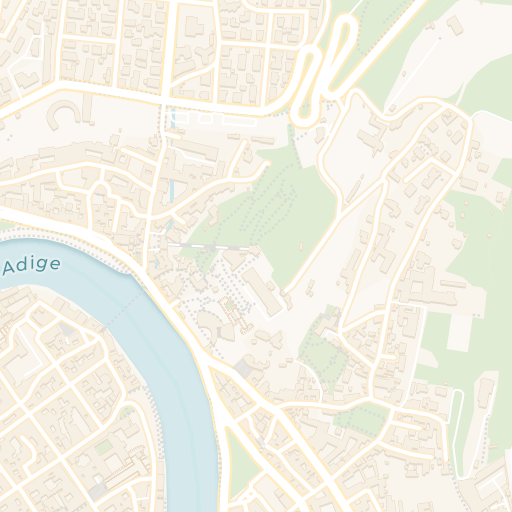
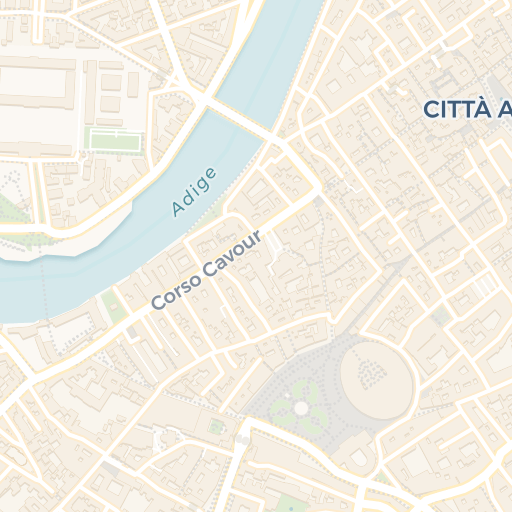
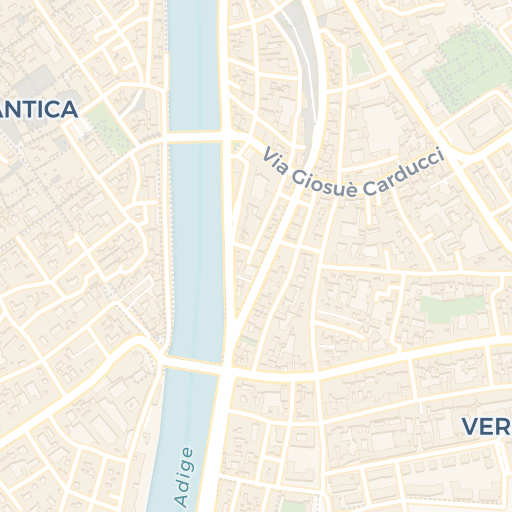
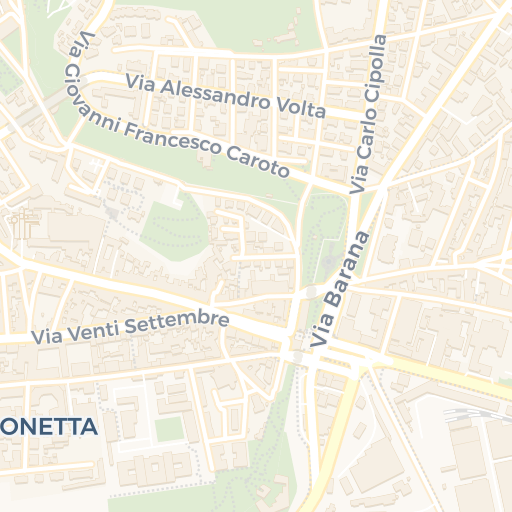
Como chegar Abrir no Apple Maps
© OpenStreetMap contributors · © CARTO · 45.44785, 11.0001
Visita responsável
A Ponte Pietra é uma travessia pedonal e ciclável em uso, além de miradouro. Nas horas de maior movimento, parar junto às laterais em vez de ao centro permite que residentes e outros visitantes passem sem transformar a ponte estreita num estrangulamento.