

Ponte Pietra
Last updated on September 22, 2026Why visit Ponte Pietra
Visit if you:
- are fascinated by Roman and antique engineering you can walk on
- want to see how a city repairs itself after a war
- like the best view of Castel San Pietro and the river bend
- notice masonry — the joint between Roman ashlar and medieval brick is unusually clear
Skip it if you:
- are unsteady on uneven ground — the deck is old paving, cambered and slick after rain
- want somewhere to linger over the view; it is narrow and people are crossing to get home
Quick facts
- Type: Historic Place, Bridge, Roman
- Local name: Ponte Pietra (vedi la pagina italiana)
- Visitor access: Open to visitors
- Admission: Free
- Built: 1st century BC; rebuilt 1957-1959
- Architectural style: Roman
- Size: Five arches
- Verona’s only Roman bridge: Known to the Romans as the Pons Marmoreus, it is the one bridge of Roman Verona still standing; the two arches at the northern end are original, the rest rebuilt over the centuries.
- Blown up in 1945, rebuilt from the riverbed: Retreating German troops destroyed it in 1945. It was rebuilt between 1957 and 1959 using the original stones, dredged back out of the Adige.
Visit responsibly
Ponte Pietra is a working pedestrian and cycle crossing as well as a viewpoint. At busy times, pausing close to the sides rather than in the centre allows residents and other visitors to pass without turning the narrow bridge into a bottleneck.
Where it is
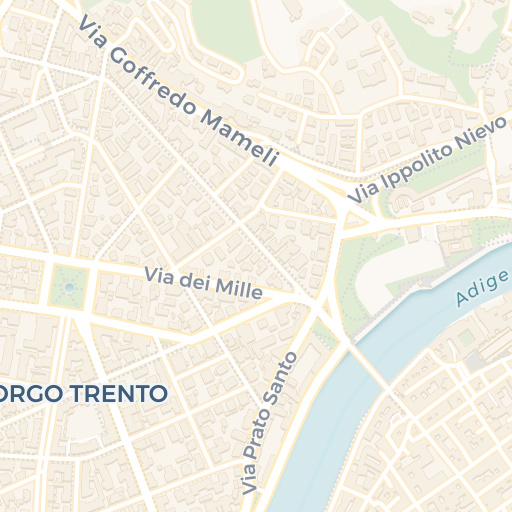
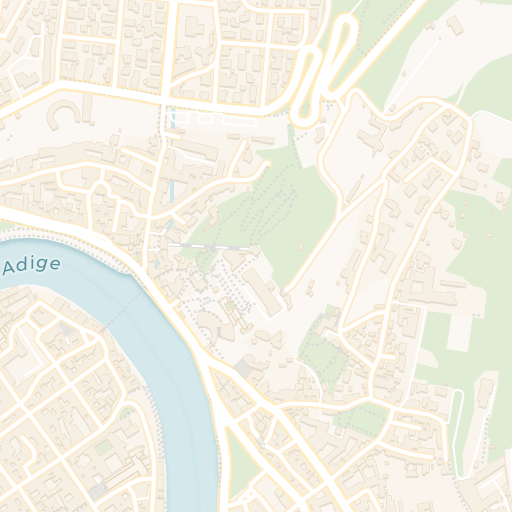
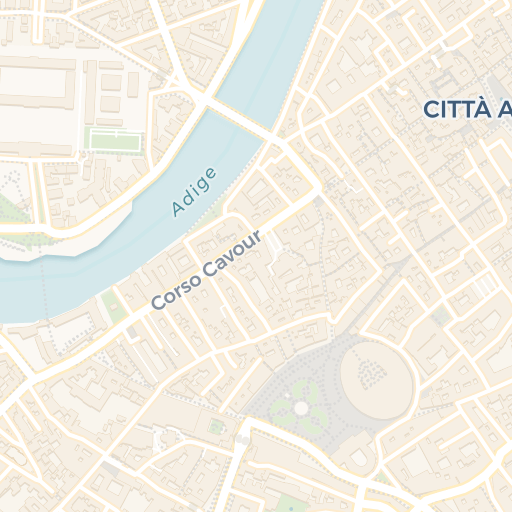
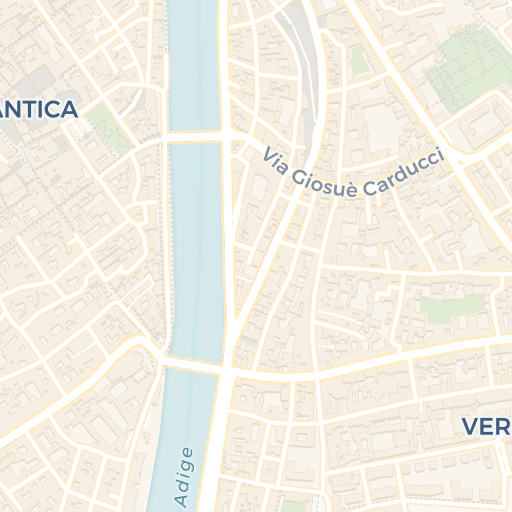
Get directions Open in Apple Maps
© OpenStreetMap contributors · © CARTO · 45.44785, 11.0001
Plan your visit
Admission: Free · Free public pedestrian bridge
There is nothing to arrange
Ponte Pietra is a public street. No ticket, no opening hours, no gate — it is lit at night and used by residents crossing between the old city and the Veronetta side at every hour. Everything below is about timing and footing, because there is nothing else to decide.
Timing
Best: early morning for the stonework, when low light rakes across the joint between the Roman blocks and the brick and makes the difference obvious. Also good: the hour before sunset, when the light is on the hillside behind and Castel San Pietro is at its best from the parapet.
Avoid: sunset itself in season if you want to stop and look. The bridge is narrow, the photography clusters at the middle, and it becomes a bottleneck for people who are simply trying to get home.
Footing and access
The deck is uneven — old paving, a pronounced camber over the arches, and worn stone that is slick after rain. The approaches at both ends involve steps or a slope. It is manageable for most visitors but not a smooth surface, and anyone using wheels should check the riverside route rather than assume a level crossing.
What is on the far side
The northern bank puts you at the foot of the climb to the Roman theatre and Castel San Pietro, which is the natural continuation of the walk rather than a separate outing.
When to visit
Sunset is the time, and it is not a close call -- the bridge faces the light along the river, with the Roman theatre and Castel San Pietro rising behind it.
Early morning is the alternative if you want it without people; it is one of the most photographed spots in Verona and the middle of the day is busy.
Spring and autumn are the pleasant seasons. The riverside has little shade and Verona is genuinely hot in July and August.
After heavy rain the Adige runs high and fast under the arches, which is worth seeing -- this is the river that has taken the bridge down more than once.