

Arco dei Gavi
Last updated on September 23, 2026Why visit Arco dei Gavi
Two unusual things about this arch. Roman arches were normally imperial; this one was raised in the first century A.D. by the Gavia family, for themselves — a private monument on a public road. And it is signed: the architect, a freedman named Lucius Vitruvius Cerdo, cut his name into it, which almost never happens in Roman architecture.
Visit if you:
- are fascinated by Roman and antique history, and by who got to commission it
- want a named Roman architect, which is vanishingly rare
- like the question of what counts as authentic after a monument is dismantled and rebuilt
- are already at Castelvecchio, which it stands beside
Skip it if you:
- need a monument in its original position; this one was demolished in 1805 and rebuilt nearby in 1932
- are making a special trip — it is a ten-minute stop beside Castelvecchio, not a destination
Quick facts
- Type: Monument
- Local name: Arco dei Gavi (vedi la pagina italiana)
- Reservation: Not required — tickets on the door
- Typical visit: About 10 minutes
- Built: 1st century AD; demolished 1805, reassembled 1932
- Built for: the Gavia family
- Designed by: Lucius Vitruvius Cerdo
- Architectural style: Roman
- A Roman building that names its architect: L. Vitruvius Cerdo, a freedman, signed the arch as its designer -- almost unheard of in Roman architecture, where buildings are credited to their patrons.
- Pulled down, kept, put back: Napoleonic troops demolished it in 1805, but the blocks were numbered and stored; it was reassembled beside Castelvecchio in 1932, near its original site rather than on it.
- UNESCO World Heritage Site: Yes
Visit responsibly
The arch stands beside a busy road. Take care crossing, and keep off the carriageway when photographing it.
Do not climb on the arch or the displayed Roman paving. The cart ruts are the most fragile thing here and the easiest to wear away further.
Do not touch the inscriptions, including the signature -- carved letters are exactly what hands erode first.
Visiting Castelvecchio alongside supports the museum that conserves much of Verona's Roman and medieval material, including Cangrande's original statue.
Where it is
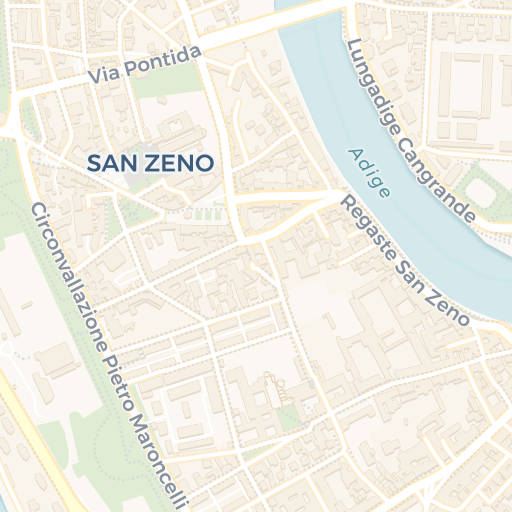
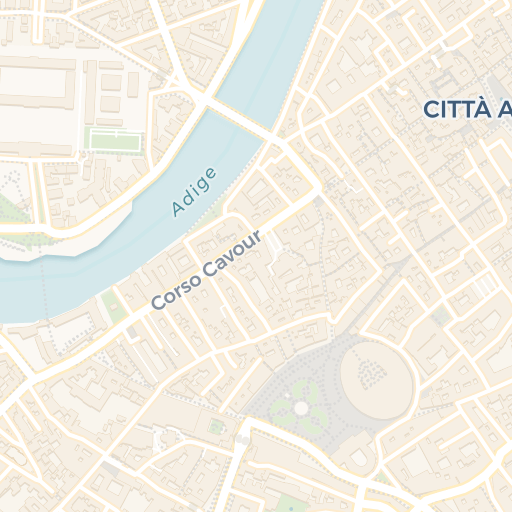
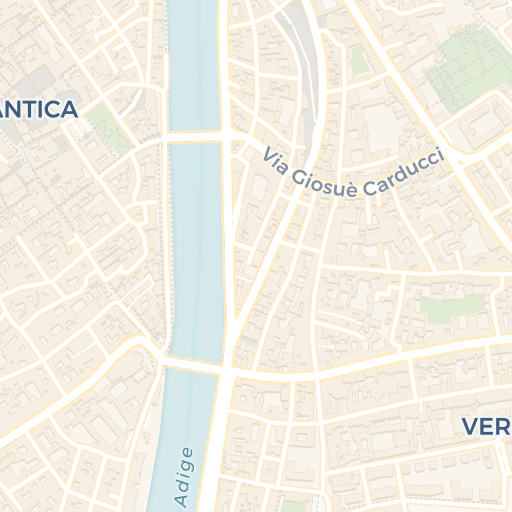
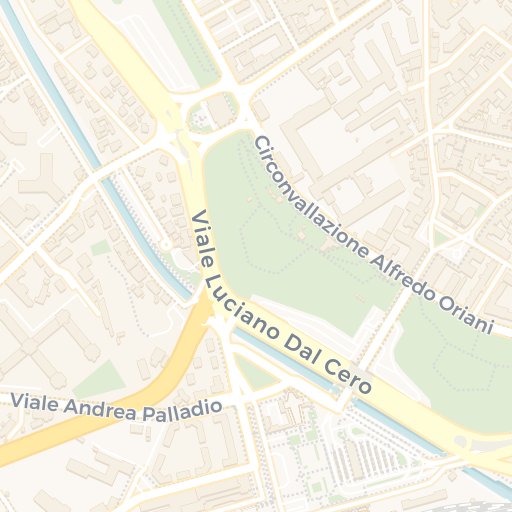
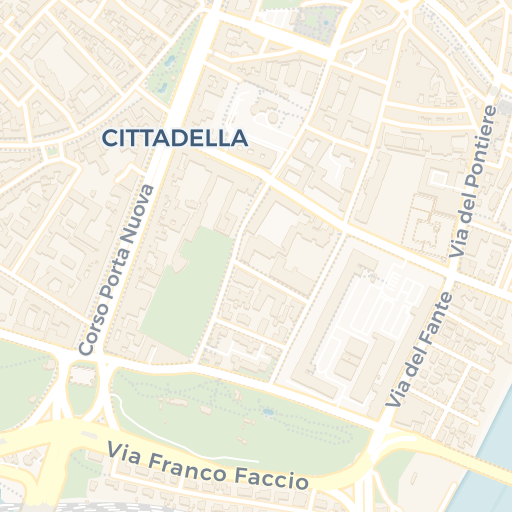
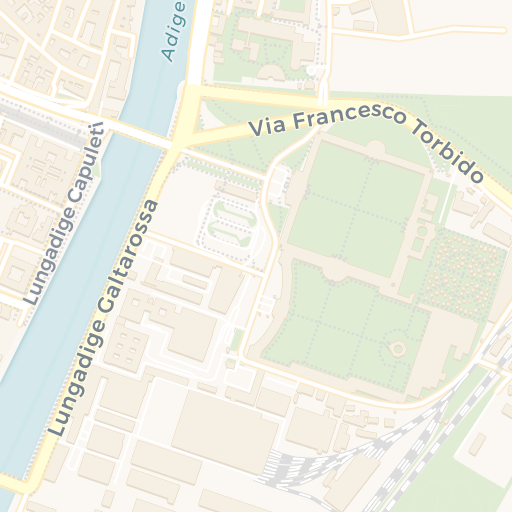
Get directions Open in Apple Maps
© OpenStreetMap contributors · © CARTO · 45.44, 10.9886
Plan your visit
The arch is free and always accessible, standing in the open beside Castelvecchio on Corso Cavour. Nothing to book or pay.
It is a ten-minute walk west from Piazza delle Erbe, immediately next to Castelvecchio and its bridge, so the two go together naturally.
Allow ten minutes. Look for the signature and the cart ruts in the paving -- without those it is a handsome arch and little more.
The site is level and fully accessible.
Combined with Porta Borsari and Porta Leoni, it makes a Roman walk through the centre that costs nothing and takes about an hour.
When to visit
Late afternoon gives the best light on the arch and on Castelvecchio behind it.
Any season -- it stands in the open with nothing to close.
Early morning is quietest; Corso Cavour is a busy road and the arch sits beside it.
Evenings when it is lit, on the walk between the centre and Castelvecchio bridge.