

Porta Borsari
Last updated on November 9, 2026Porta Borsari stands on the western edge of Roman Verona, where the Via Postumia became the city's main east–west street. The first gate was built in brick toward the end of the 1st century B.C.; around the middle of the 1st century A.D., its outward face received the white-limestone frontage seen today.
Only that outer façade survives from a larger gatehouse with a central court and paired passages. An inscription above the arches records work on Verona's walls under Emperor Gallienus in 265. The monument forms part of the historic city included in the UNESCO World Heritage property, rather than being a separate UNESCO inscription.
Verified against ArcheoVeneto, November 2026.
Challenge to visitors
The main challenge is not access but attention. Porta Borsari sits in a busy pedestrian route, and it is easy to walk through without recognising that the visible wall is only the outer face of a larger gatehouse.
Step clear of the movement through the arches before looking up. Read the monument from bottom to top: street line, paired passages, architectural frames, upper windows and inscription. That sequence makes the missing depth of the Roman gate easier to reconstruct mentally.
Visiting tips and strategy
When to go
There is no ticketed season: the exterior is visible from the public street throughout the year. Weather matters more than opening hours. Rain can make historic paving less comfortable, while harsh midday light can flatten the pale stone and its shallow carving.
Temporary conservation works or city controls can occasionally affect the closest view. Because Corso Porta Borsari remains an active urban route, the calmness of the setting varies more with pedestrian and authorised-vehicle activity than with a formal visitor schedule.
Getting the good version
Approach from Corso Cavour to see the façade as the outer face of the Roman city. Move to the side before stopping, keep both arches clear, and look first at the full 13-metre composition. Then examine the upper openings and the traces of the inscription over the passages.
Continue east along Corso Porta Borsari to follow the former decumanus maximus. For a wider reading of Roman Verona, compare the gate with Porta Leoni and the surviving street grid rather than treating it as a stand-alone photo stop.
What it costs
Nothing, and there is nothing it could charge for. What survives is the outer façade of a Roman gate standing over a pedestrian street — there is no interior, no upper level and no enclosure, so the whole monument is the part you can see for free at any hour.
That includes the inscription above the arches recording work on Verona's walls under Gallienus in 265, which is the oldest dated thing on the street and is read from the pavement.
How to See It
Porta Borsari is an exterior monument on Corso Porta Borsari at the western approach to Verona's historic centre. There is no ticket or interior visit: the façade is seen from the public street and passed through on foot.
Allow about ten minutes for the arches, upper storeys and inscription, then follow the old Roman axis east. The street is a pedestrian area, but authorised vehicles, bicycles and delivery traffic can still pass. Historic paving may be uneven, so visitors who need a step-free or especially smooth route should assess the approach on arrival rather than rely on a blanket accessibility claim.
Verified against ArcheoVeneto, November 2026.
Place accessibility
A Roman gate standing over a pedestrian street, read entirely from level paving at any hour*, free. There is no interior: what survives is the outer façade, so there is nothing to climb and nothing to go inside.
The street is narrow, which matters more for photographs than for access — stepping back far enough to take in the whole front means standing in the way of people walking through.
Marked * is our own reading of the place, not something the operator states. We have asked them, and their answer will replace it.
Quick facts
- Type: Monument
- Local name: Porta Borsari (vedi la pagina italiana)
- Visitor access: Exterior only
- Typical visit: About 10 minutes
- Built: Late 1st century B.C.; white-stone façade added mid-1st century A.D.
- Architectural style: Roman
- Height: 13 m
- Inscription dates: Gallienus’s wall works ran from 3 April to 4 December 265
- Medieval name: From the bursarii who collected duties on goods here
- UNESCO World Heritage Site: Yes
Where it is
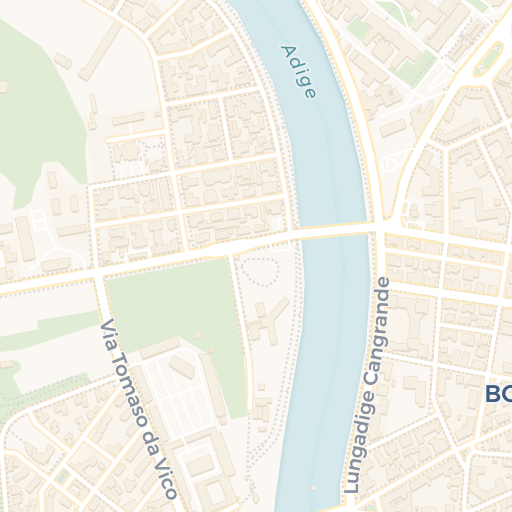
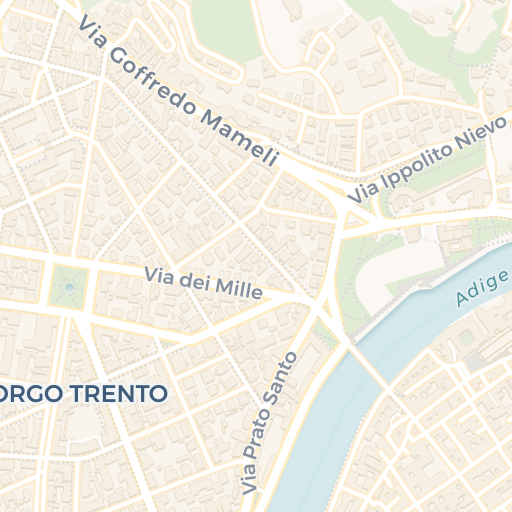
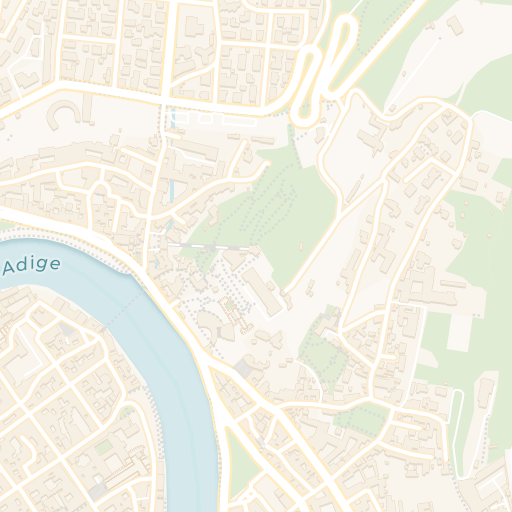
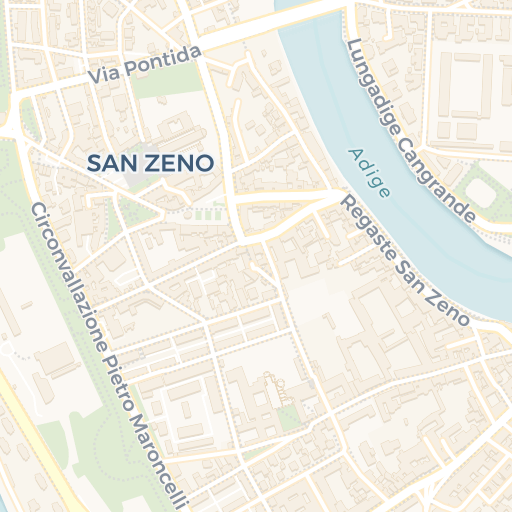
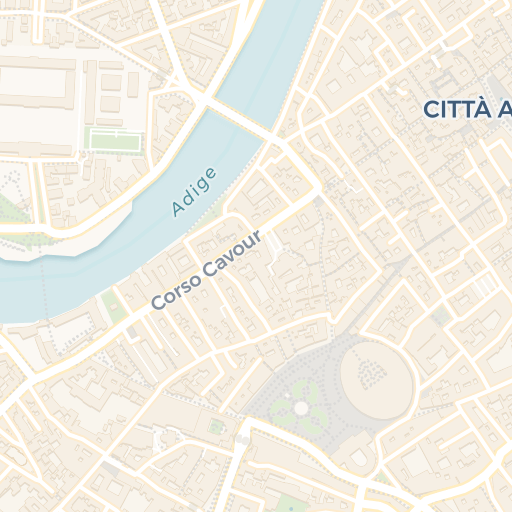
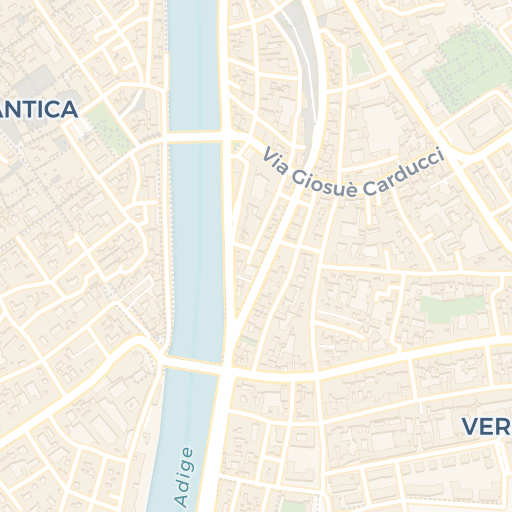
Get directions Open in Apple Maps
© OpenStreetMap contributors · © CARTO · 45.4433, 10.9942
Visit responsibly
Keep the passages open for people moving through the street, and remember that authorised vehicles and bicycles may still use the area. Stop at the side rather than in either arch.
Do not lean on, touch or attach anything to the limestone. The exposed façade has required repeated protection from weather, deposits and biological growth; small acts of contact add to that conservation burden.
Read the gate in relation to the street. Following the Roman axis on foot gives the monument context without needing to occupy the narrow space immediately beneath it for long.