

Porta Borsari
Zuletzt aktualisiert am 9. November 2026Die Porta Borsari steht mitten in einer Einkaufsstraße in Verona, und die meisten gehen daran vorbei, ohne stehen zu bleiben. Es ist ein römisches Stadttor des 1. Jahrhunderts n. Chr. und das besterhaltene der Stadt.
Es gibt keine Karte, kein Gitter und keine Öffnungszeit. Die Straße läuft dort, wo die Fahrbahnen waren, und die Geschäfte zu beiden Seiten drängen sich unmittelbar dagegen.
Die Inschrift darüber hält den Wiederaufbau der Mauern Veronas im Jahr 265 n. Chr. unter Kaiser Gallienus fest — und vermerkt mit einigem Stolz, dass die Arbeit 259 Tage dauerte.
Geprüft bei ArcheoVeneto, November 2026.
Die Herausforderung für Besucher
The main challenge is not access but attention. Porta Borsari sits in a busy pedestrian route, and it is easy to walk through without recognising that the visible wall is only the outer face of a larger gatehouse.
Step clear of the movement through the arches before looking up. Read the monument from bottom to top: street line, paired passages, architectural frames, upper windows and inscription. That sequence makes the missing depth of the Roman gate easier to reconstruct mentally.
Tipps und Strategie für den Besuch
Der richtige Zeitpunkt
There is no ticketed season: the exterior is visible from the public street throughout the year. Weather matters more than opening hours. Rain can make historic paving less comfortable, while harsh midday light can flatten the pale stone and its shallow carving.
Temporary conservation works or city controls can occasionally affect the closest view. Because Corso Porta Borsari remains an active urban route, the calmness of the setting varies more with pedestrian and authorised-vehicle activity than with a formal visitor schedule.
So gelingt der Besuch
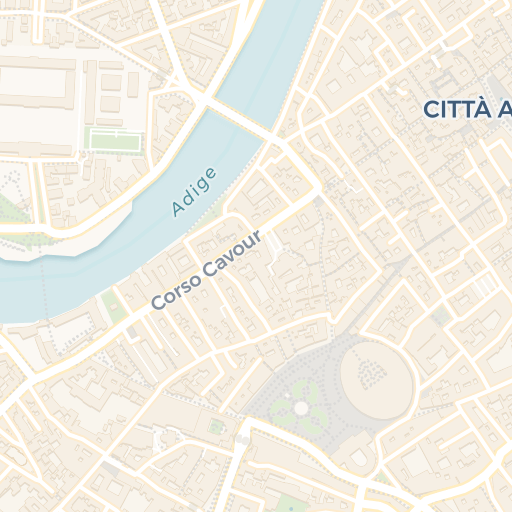
Approach from Corso Cavour to see the façade as the outer face of the Roman city. Move to the side before stopping, keep both arches clear, and look first at the full 13-metre composition. Then examine the upper openings and the traces of the inscription over the passages.
Continue east along Corso Porta Borsari to follow the former decumanus maximus. For a wider reading of Roman Verona, compare the gate with Porta Leoni and the surviving street grid rather than treating it as a stand-alone photo stop.
Was es kostet
Nothing, and there is nothing it could charge for. What survives is the outer façade of a Roman gate standing over a pedestrian street — there is no interior, no upper level and no enclosure, so the whole monument is the part you can see for free at any hour.
That includes the inscription above the arches recording work on Verona's walls under Gallienus in 265, which is the oldest dated thing on the street and is read from the pavement.
So Besichtigt Man Es
Die Porta Borsari ist kostenlos, offen und ohne Karte — sie steht in einer öffentlichen Straße, und es gibt nichts zu betreten oder zu buchen.
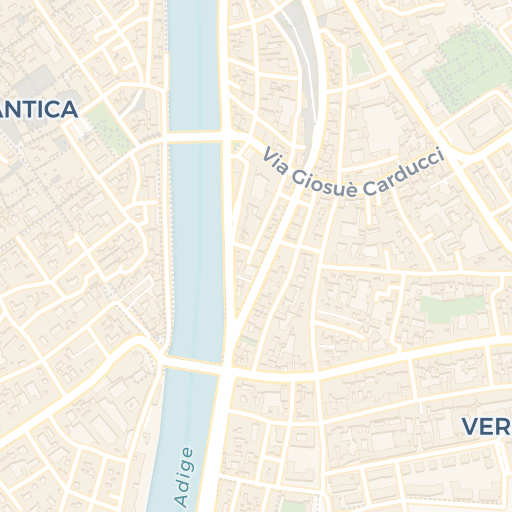
Sie liegt am Westende des Corso Porta Borsari, fünf Gehminuten von der Piazza delle Erbe, auf dem natürlichen Weg zwischen dem Zentrum und Castelvecchio.
Dies ist ein Halt von fünf bis zehn Minuten. Die meisten sehen sie im Vorbeigehen; stehen zu bleiben und aufzublicken macht den ganzen Unterschied.
Die Straße ist eben und vollständig zugänglich.
Sie verbindet sich natürlich mit dem Arco dei Gavi, wenige Minuten westlich, und der Porta Leoni südlich der Piazza delle Erbe — die drei zusammen ergeben einen kurzen römischen Gang.
Geprüft bei ArcheoVeneto, November 2026.
Barrierefreiheit vor Ort
A Roman gate standing over a pedestrian street, read entirely from level paving at any hour*, free. There is no interior: what survives is the outer façade, so there is nothing to climb and nothing to go inside.
The street is narrow, which matters more for photographs than for access — stepping back far enough to take in the whole front means standing in the way of people walking through.
Mit * Gekennzeichnetes ist unsere eigene Einschätzung des Ortes, keine Angabe des Betreibers. Wir haben nachgefragt; seine Antwort wird sie ersetzen.
Kurzinfo
- Typ: Denkmal
- Besucherzugang: Nur von außen
- Typischer Besuch: Etwa 10 Minuten
- Erbaut: Late 1st century B.C.; white-stone façade added mid-1st century A.D.
- Baustil: Römisch
- Höhe: 13 m
- Inscription dates: Gallienus’s wall works ran from 3 April to 4 December 265
- Medieval name: From the bursarii who collected duties on goods here
- UNESCO-Weltkulturerbe: Ja
Wo es liegt
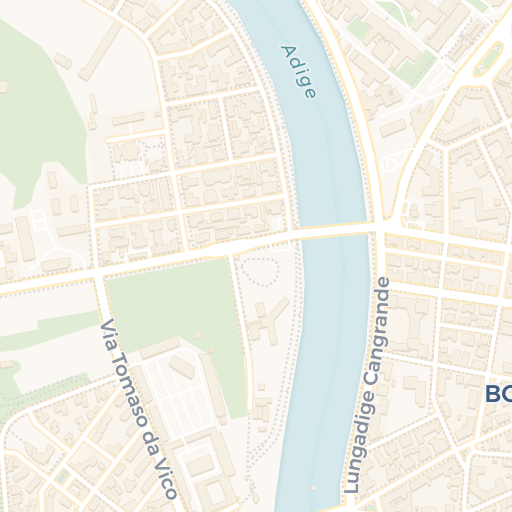
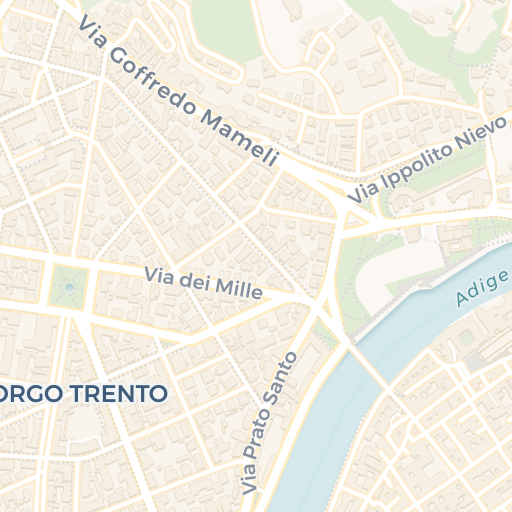
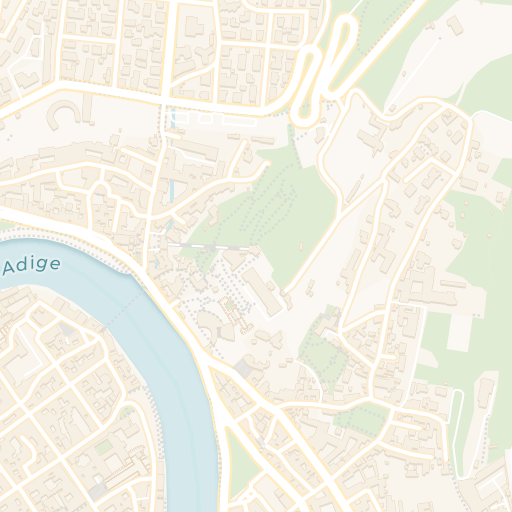
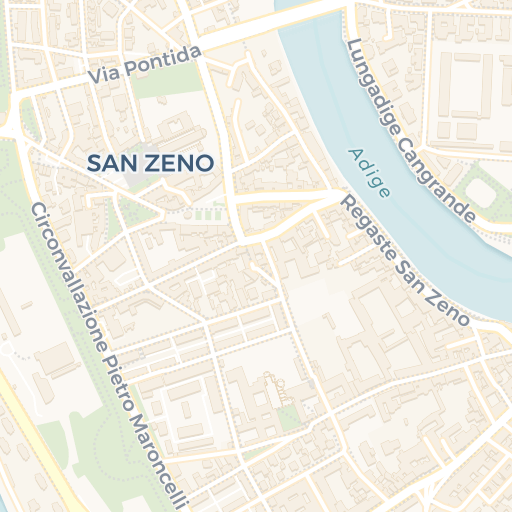
Route planen In Apple Karten öffnen
© OpenStreetMap contributors · © CARTO · 45.4433, 10.9942
Verantwortungsvoll besuchen
Dies ist eine belebte Fußgänger-Einkaufsstraße, und das Tor steht mitten darin. Fotografierende, die in den Bögen stehen bleiben, blockieren den Fluss — treten Sie zur Seite.
Berühren Sie das Steinwerk nicht und lehnen Sie sich nicht daran. Es ist ungeschützter zweitausend Jahre alter Kalkstein in täglichem Kontakt mit einer Stadt, was bemerkenswert und zugleich prekär ist.
Die Geschäfte zu beiden Seiten sind gewöhnliche Veroneser Betriebe und keine Touristenbetriebe; die Straße funktioniert besser, wenn die Leute hindurchgehen.