

Porta Borsari
Última actualización el 9 de noviembre de 2026La Porta Borsari se alza en mitad de una calle comercial de Verona, y casi todo el mundo pasa por delante sin detenerse. Es una puerta de ciudad romana del siglo I d. C., y la mejor conservada de la ciudad.
No hay entrada, ni reja, ni horario. La calle pasa por donde estaban las calzadas, y las tiendas de uno y otro lado se le echan encima.
La inscripción que la recorre registra la reconstrucción de las murallas de Verona en 265 d. C. bajo el emperador Galieno, y precisa, con cierto orgullo, que la obra llevó 259 días.
Verificado en ArcheoVeneto, noviembre de 2026.
El reto para quien visita
The main challenge is not access but attention. Porta Borsari sits in a busy pedestrian route, and it is easy to walk through without recognising that the visible wall is only the outer face of a larger gatehouse.
Step clear of the movement through the arches before looking up. Read the monument from bottom to top: street line, paired passages, architectural frames, upper windows and inscription. That sequence makes the missing depth of the Roman gate easier to reconstruct mentally.
Consejos y estrategia de visita
Cuándo ir
There is no ticketed season: the exterior is visible from the public street throughout the year. Weather matters more than opening hours. Rain can make historic paving less comfortable, while harsh midday light can flatten the pale stone and its shallow carving.
Temporary conservation works or city controls can occasionally affect the closest view. Because Corso Porta Borsari remains an active urban route, the calmness of the setting varies more with pedestrian and authorised-vehicle activity than with a formal visitor schedule.
Cómo aprovecharlo al máximo
Approach from Corso Cavour to see the façade as the outer face of the Roman city. Move to the side before stopping, keep both arches clear, and look first at the full 13-metre composition. Then examine the upper openings and the traces of the inscription over the passages.
Continue east along Corso Porta Borsari to follow the former decumanus maximus. For a wider reading of Roman Verona, compare the gate with Porta Leoni and the surviving street grid rather than treating it as a stand-alone photo stop.
Cuánto cuesta
Nothing, and there is nothing it could charge for. What survives is the outer façade of a Roman gate standing over a pedestrian street — there is no interior, no upper level and no enclosure, so the whole monument is the part you can see for free at any hour.
That includes the inscription above the arches recording work on Verona's walls under Gallienus in 265, which is the oldest dated thing on the street and is read from the pavement.
Cómo Visitarlo
La Porta Borsari es gratuita, abierta y sin entrada: se alza en una calle pública y no hay nada en lo que entrar ni que reservar.
Está en el extremo oeste del corso Porta Borsari, a cinco minutos a pie de la piazza delle Erbe, en la ruta natural entre el centro y Castelvecchio.
Es una parada de cinco a diez minutos. La mayoría la ve al pasar; pararse y mirar hacia arriba es toda la diferencia.
La calle está a nivel y es plenamente accesible.
Se combina de forma natural con el Arco dei Gavi, a unos minutos al oeste, y la Porta Leoni, al sur de la piazza delle Erbe: los tres juntos hacen un breve paseo romano.
Verificado en ArcheoVeneto, noviembre de 2026.
Accesibilidad del lugar
A Roman gate standing over a pedestrian street, read entirely from level paving at any hour*, free. There is no interior: what survives is the outer façade, so there is nothing to climb and nothing to go inside.
The street is narrow, which matters more for photographs than for access — stepping back far enough to take in the whole front means standing in the way of people walking through.
Lo señalado con * es nuestra propia lectura del lugar, no una afirmación del gestor. Se lo hemos preguntado, y su respuesta sustituirá a la nuestra.
Datos rápidos
- Tipo: Monumento
- Acceso de visitantes: Solo el exterior
- Visita típica: Unos 10 minutos
- Construido: Late 1st century B.C.; white-stone façade added mid-1st century A.D.
- Estilo arquitectónico: Romano
- Altura: 13 m
- Inscription dates: Gallienus’s wall works ran from 3 April to 4 December 265
- Medieval name: From the bursarii who collected duties on goods here
- Patrimonio de la Humanidad de la UNESCO: Sí
Dónde está
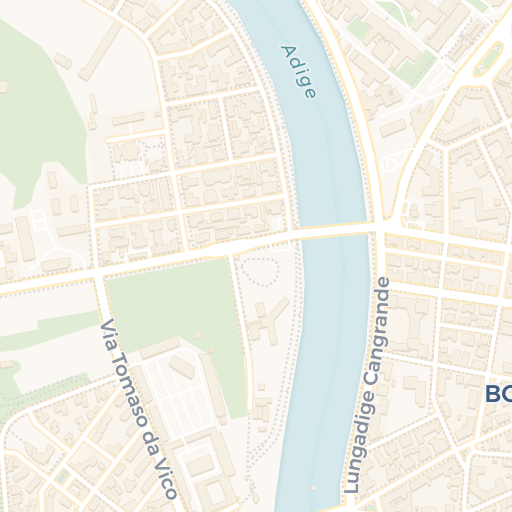
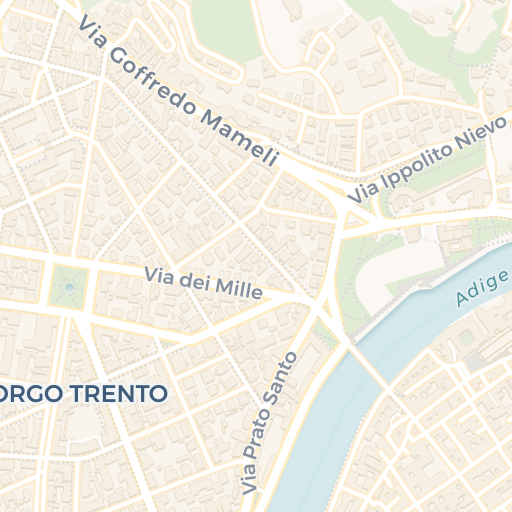
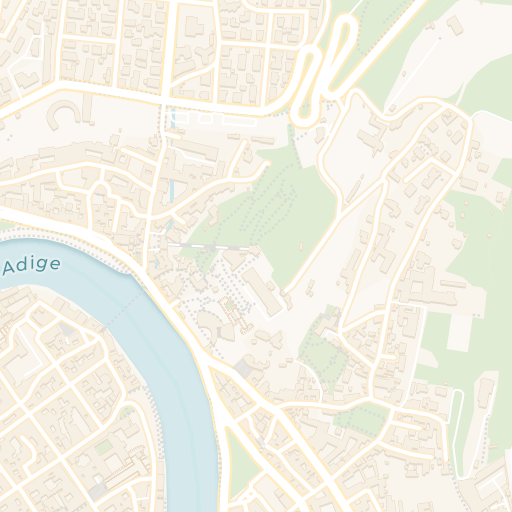
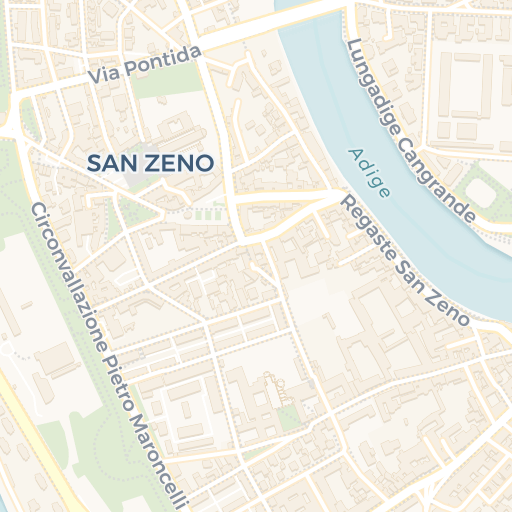
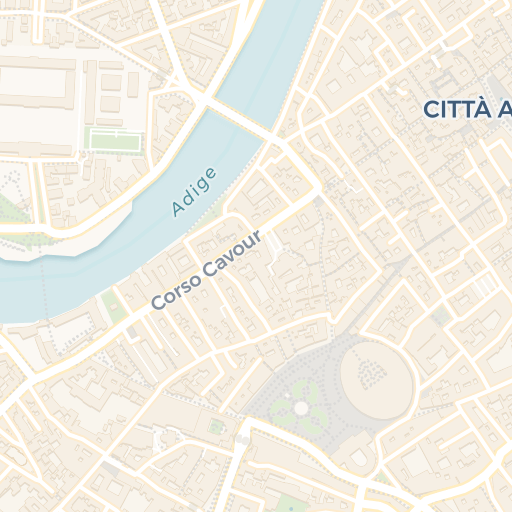
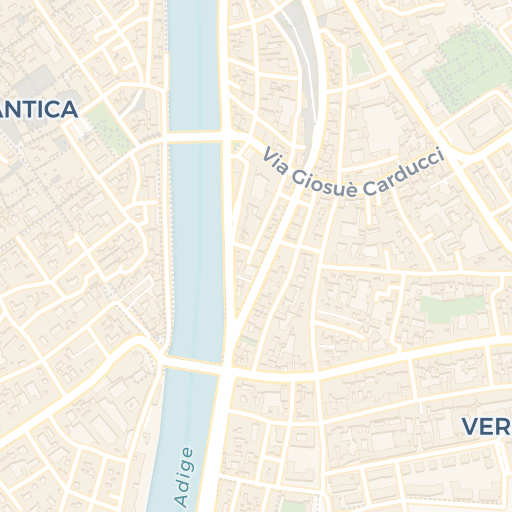
Cómo llegar Abrir en Apple Maps
© OpenStreetMap contributors · © CARTO · 45.4433, 10.9942
Visita responsable
Esta es una calle comercial peatonal concurrida y la puerta está plantada en ella. Los fotógrafos que se paran en los arcos cortan el paso: apártate a un lado.
No toques la piedra ni te apoyes en ella. Es caliza de dos mil años sin protección, en contacto diario con una ciudad, lo cual es notable y también precario.
Las tiendas de ambos lados son negocios veroneses corrientes y no establecimientos turísticos; la calle funciona mejor cuando la gente la atraviesa.