

Castelvecchio
Last updated on September 23, 2026Why visit Castelvecchio
Visit if you:
- are fascinated by medieval and Scaliger history
- want twentieth-century architecture, and how it handles an old building
- like Italian Gothic painting and medieval sculpture
- enjoy walking a fortified bridge that is still a public right of way
Skip it if you:
- are expecting furnished palace interiors — this is a museum inside a fortress
- cannot manage repeated level changes; Scarpa’s route doubles back and changes floor by design
- have one afternoon in Verona and have not yet seen the Arena
Quick facts
- Type: Castle, Museum, Bridge
- Local name: Castelvecchio (vedi la pagina italiana)
- Visitor access: Open to visitors
- Admission: €6
- Built: 1354-1376
- Built by: Cangrande II della Scala
- Built for: a fortress and residence for the Scaliger family, doubling as a refuge against Verona's own citizens
- Designed by: Carlo Scarpa (1958-1964 restoration)
- Architectural style: Scaliger Gothic
- Ponte Scaligero's central span: the widest arch span of any bridge in the world when it was built
- Bridge destroyed and rebuilt: blown up by retreating German troops in 1945; rebuilt by 1957 using the original stones recovered from the riverbed
- UNESCO World Heritage Site: Yes
Visit responsibly
Ponte Scaligero remains a functioning pedestrian route for Verona residents as well as a landmark -- it's a genuine crossing, not only a viewpoint, and moving with rather than against the flow of foot traffic is appreciated.
Where it is
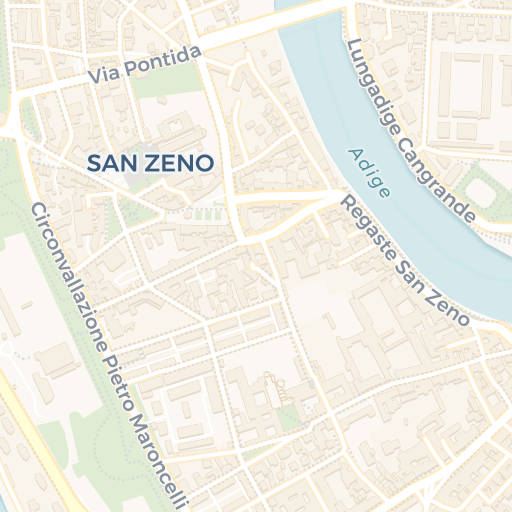
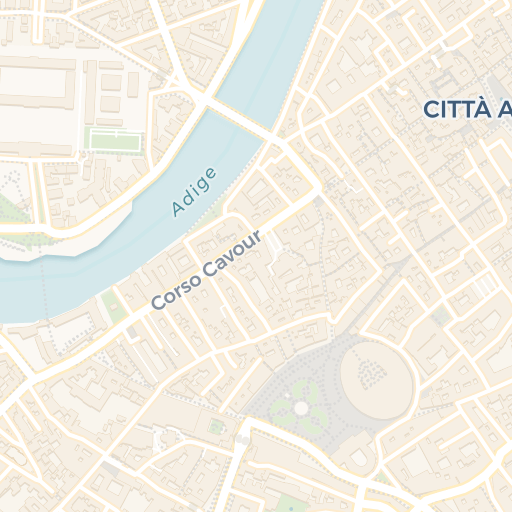
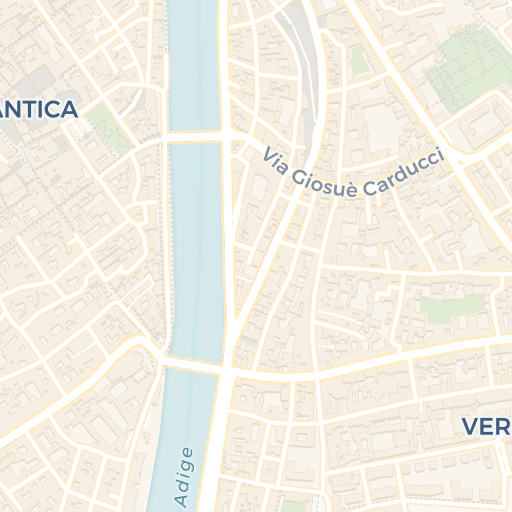
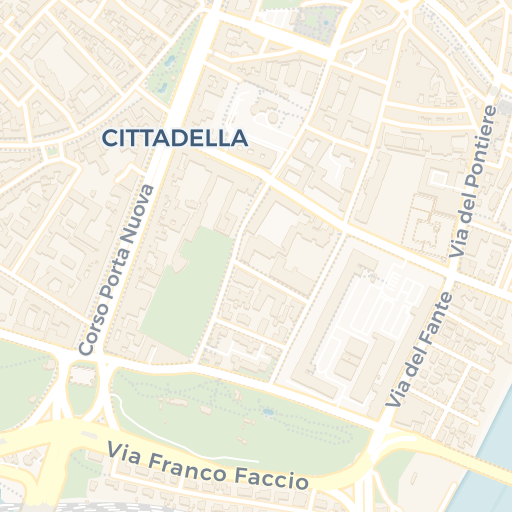
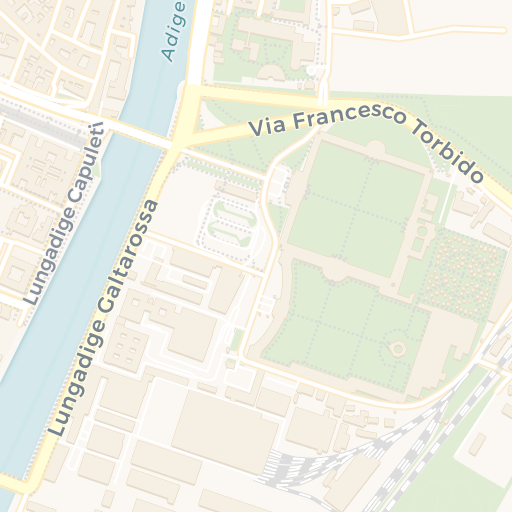
Get directions Open in Apple Maps
© OpenStreetMap contributors · © CARTO · 45.4396, 10.98739
Plan your visit
Admission: €6
What is free
Ponte Scaligero, the fortified bridge, is a public pedestrian right of way. You can walk it end to end, at any hour, without a ticket and independently of museum opening — most people crossing it do not realise it is part of the same complex. The outer courtyards and the river frontage are likewise open.
The boundary is the entrance to the keep off the inner courtyard, where the museum ticket is checked. Everything past that door is the Museo di Castelvecchio; the bridge is not.
Tickets and what they cover
The ticket admits you to the Museo di Castelvecchio, inside the castle. Admission and opening days are set by the Musei Civici di Verona and are worth confirming for your date; the VeronaCard covers entry if you hold one.
Timing
Best: late afternoon. The museum is quietest in its last two hours, and the low light across the river is when the brick and the bridge are worth photographing.
Avoid: midday in summer, when the courtyards hold heat and offer almost no shade.
Inside
Allow longer than the collection size suggests. Scarpa’s route is deliberately indirect — it doubles back, changes level and reopens views you have already had — and rushing it defeats the thing the building is famous for. Floors are uneven and there are several short flights between rooms, so visitors with mobility needs should confirm the accessible route with the museum in advance rather than assume a single level throughout. Temporary closures of individual rooms are common.
When to visit
Late afternoon light along the Adige makes Ponte Scaligero and the castle's riverside façade especially photogenic, and crowds thin out compared with the Arena and city center earlier in the day.