

Castelvecchio
Dernière mise à jour le 8 novembre 2026Horaires vérifiés novembre 2026
Castelvecchio est un ensemble fortifié bâti pour Cangrande II della Scala dans les années 1350 au bord de l’Adige. Il réunissait résidence, place forte militaire et passage protégé sur le fleuve. Le Ponte Scaligero qui lui est accolé est aujourd’hui une traversée piétonne libre, tandis que le château abrite le Museo di Castelvecchio.
Le musée est aussi célèbre pour la restauration de Carlo Scarpa, menée principalement entre 1958 et 1964. Scarpa a disposé sculpture médiévale, peintures et fragments d’architecture selon une séquence soigneusement réglée qui maintient visiblement distinctes la maçonnerie ancienne et les ajouts modernes.
La difficulté pour les visiteurs
This is a museum inside a fortress, not a furnished castle, so visitors hoping for period interiors will find gallery rooms instead. Scarpa's route is the other difficulty, and it is deliberate: it doubles back, changes floor and reopens views you have already had, which is exactly what makes the building worth studying and exactly what makes it tiring. Floors are uneven and several short flights sit between rooms, so anyone with mobility needs should confirm the accessible route with the museum rather than assume a single level throughout.
Conseils et stratégie de visite
Quand y aller
Late afternoon light along the Adige makes Ponte Scaligero and the castle's riverside façade especially photogenic, and crowds thin out compared with the Arena and city center earlier in the day.
Vérifié auprès de Comune di Verona, novembre 2026.
En profiter vraiment
Walk the camminamento delle mura. The ticket is a single one and it covers the wall-walk as well as the museum rooms, which is not obvious from the desk and is the part most visitors miss.
Follow Scarpa's route in the order it is laid out rather than cutting across it. It doubles back, changes level and reopens views you have already had, and that is the thing the building is known for — rushing it leaves you with a small collection and no idea why anyone comes. Last admission is 17.15, so a late afternoon visit needs to start before five, not at five.
Ce que ça coûte
What is free
Ponte Scaligero, the fortified bridge, is a public pedestrian right of way. You can walk it end to end, at any hour, without a ticket and independently of museum opening — most people crossing it do not realise it is part of the same complex. The outer courtyards and the river frontage are likewise open.
The boundary is the entrance to the keep off the inner courtyard, where the museum ticket is checked. Everything past that door is the Museo di Castelvecchio; the bridge is not.
Tickets and what they cover
The ticket admits you to the Museo di Castelvecchio, inside the castle. Admission and opening days are set by the Musei Civici di Verona and are worth confirming for your date; the VeronaCard covers entry if you hold one.
Vérifié auprès de Visit Verona, octobre 2026.
S'y rendre et entrer
Entrée: €9 · A temporary exhibition can raise the full price; €1.00 on the first Sunday of the month, November to March
Prix vérifiés en novembre 2026
Ce qui est gratuit
Le Ponte Scaligero, le pont fortifié, est une voie piétonne publique. On peut le parcourir d’un bout à l’autre, à toute heure, sans billet et indépendamment des heures du musée — la plupart de ceux qui le traversent ignorent qu’il fait partie du même ensemble. Les cours extérieures et le front sur le fleuve sont de même ouverts.
La limite est l’entrée du donjon depuis la cour intérieure, où le billet est contrôlé. Tout ce qui est au-delà de cette porte est le Museo di Castelvecchio ; le pont, non.
Les billets et ce qu’ils couvrent
Le billet donne accès au Museo di Castelvecchio, à l’intérieur du château. Tarifs et jours d’ouverture sont fixés par les Musei Civici di Verona et méritent d’être confirmés pour votre date ; la VeronaCard couvre l’entrée si vous en avez une.
Le moment
Le mieux : la fin d’après-midi. Le musée est au plus calme dans ses deux dernières heures, et la lumière basse sur le fleuve est le moment où la brique et le pont valent la photographie.
À éviter : le milieu de journée en été, quand les cours retiennent la chaleur et n’offrent presque pas d’ombre.
À l’intérieur
Comptez plus de temps que la taille de la collection ne le laisse croire. Le parcours de Scarpa est délibérément indirect — il revient sur lui-même, change de niveau et rouvre des vues déjà eues —, et le presser ruine précisément ce qui fait la célébrité du lieu. Les sols sont inégaux et plusieurs volées de marches séparent les salles : les visiteurs à mobilité réduite ont intérêt à confirmer le parcours accessible auprès du musée plutôt qu’à supposer un seul niveau de bout en bout. Les fermetures temporaires de salles isolées sont fréquentes.
Vérifié auprès de Comune di Verona, novembre 2026.
Accessibilité du lieu
Free entry for a disabled visitor and their companion, and tickets can be bought at the museum's own desk rather than only online.
The honest warning is the architecture itself. Carlo Scarpa's rebuilding is the reason to come and it is also what makes the route demanding: the museum is deliberately a sequence of levels, with concrete walkways hung through the medieval fabric, steps between rooms, and openings cut at changes of height. The Cangrande statue — the boldest thing here — stands outdoors on a cantilever reached from that sequence.
The last entry is 17:15, three quarters of an hour before the 18:00 close and the earliest cut-off of any civic museum in Verona. An hour is not generous for this building.
What the comune does not publish, and we will not guess: whether lifts serve the upper levels, which parts of the Scarpa route are step-free, and whether the Cangrande cantilever can be reached without stairs. The museum service answers enquiries — ask before you travel, and we will record the answer here.
Informations essentielles
- Type: Château fort, Musée, Pont
- Accès visiteurs: Ouvert aux visiteurs
- Entrée: €9
- Construit: 1354-1376
- Construit par: Cangrande II della Scala
- Construit pour: a fortress and residence for the Scaliger family, doubling as a refuge against Verona's own citizens
- Conçu par: Carlo Scarpa (1958-1964 restoration)
- Style architectural: Gothique scaligère
- Ponte Scaligero's central span: the widest arch span of any bridge in the world when it was built
- Bridge destroyed and rebuilt: blown up by retreating German troops in 1945; rebuilt by 1957 using the original stones recovered from the riverbed
- Site du patrimoine mondial de l'UNESCO: Oui
Où se trouve-t-il
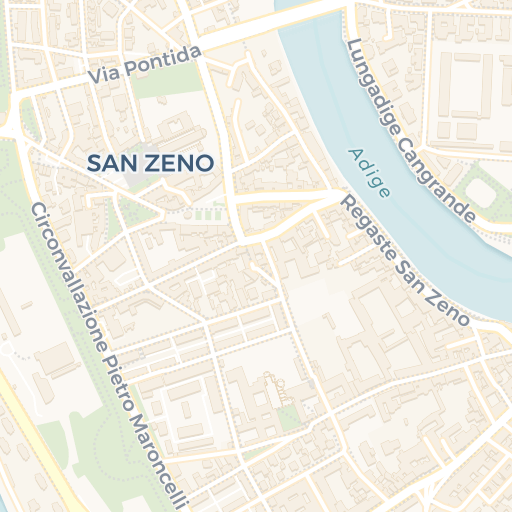
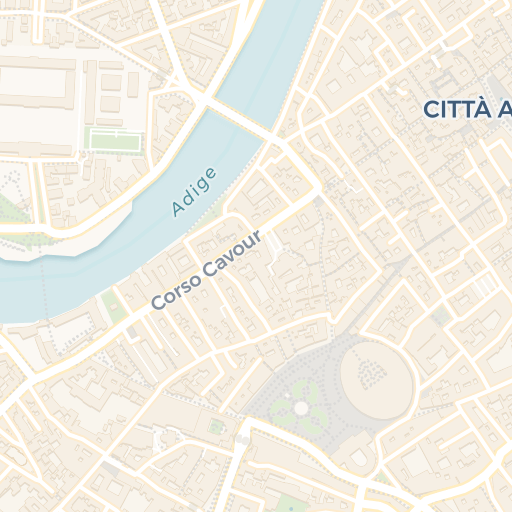
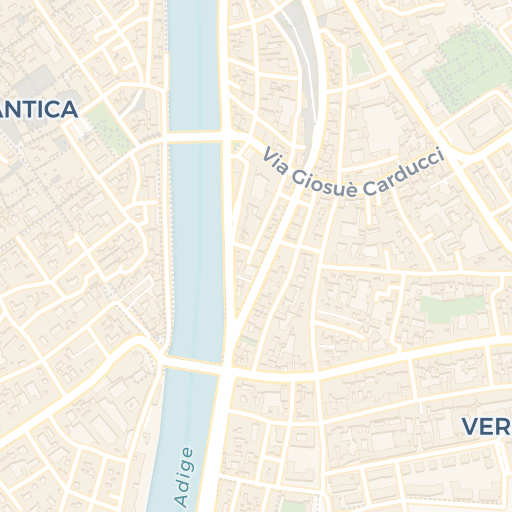
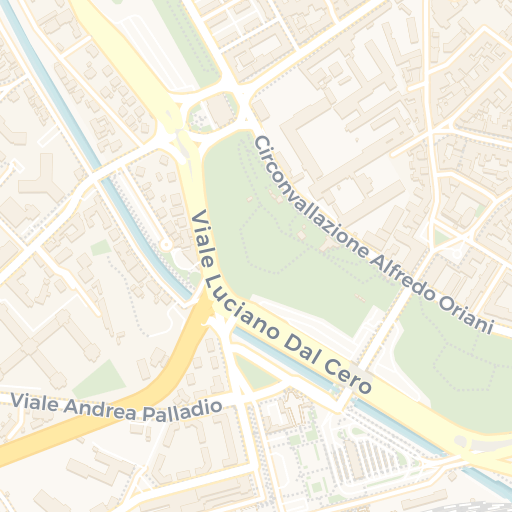
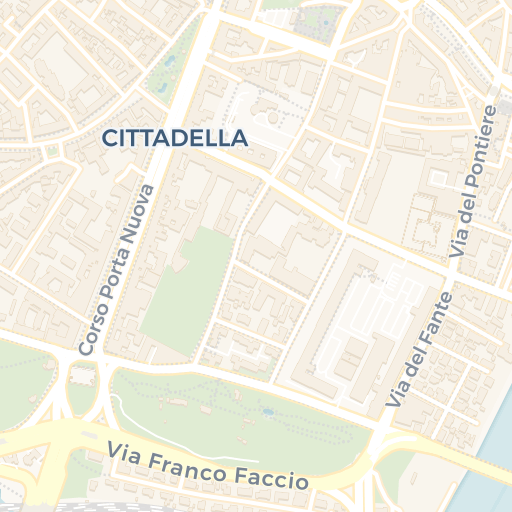
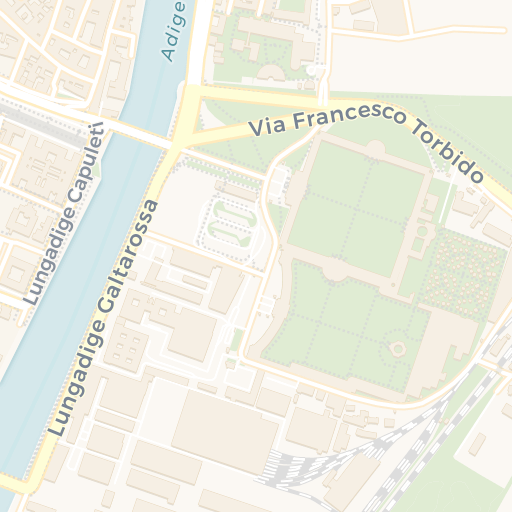
Itinéraire Ouvrir dans Apple Plans
© OpenStreetMap contributors · © CARTO · 45.4396, 10.98739
Visite responsable
Le Ponte Scaligero reste un passage piéton en service pour les Véronais autant qu’un monument — c’est une vraie traversée et pas seulement un point de vue, et l’on apprécie que l’on se déplace dans le sens du flux plutôt qu’à contre-courant.