

Piazza delle Erbe
Last updated on September 23, 2026Why visit Piazza delle Erbe
Visit if you:
- are fascinated by Roman and antique history still shaping a living street plan
- want painted façades — Casa Mazzanti carries the best surviving frescoes in the city
- like markets, and squares that are still used rather than preserved
- enjoy reading a city’s politics off its monuments
Skip it if you:
- want a quiet square — this is a working market and the busiest crossing in the old city
- are looking for one thing to see; the interest here is the accumulation, not any single monument
Quick facts
- Type: Historic Place, Square/Plazza
- Local name: Piazza delle Erbe (vedi la pagina italiana)
- Visitor access: Open to visitors
- Built: Roman forum; present form medieval to Baroque
- Architectural style: Medieval to Baroque
- It was the Roman forum: The square occupies the forum of Roman Verona, which is why it sits at the centre of the street grid rather than beside a church as a medieval square usually would.
- A Roman statue on a medieval fountain: The Madonna Verona fountain was assembled in 1368 for Cansignorio della Scala around a Roman statue of about 380 CE, reused with a new head and arms.
Visit responsibly
The fountain and painted façades draw people into the same narrow viewpoints, especially when the market is active. Taking photographs from the edge of the pedestrian flow keeps the centre of the square usable. The surrounding buildings still contain homes and workplaces, even when the piazza feels like an open-air stage.
Where it is
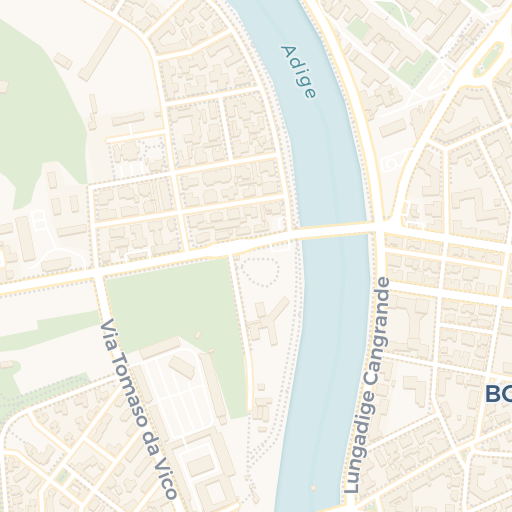
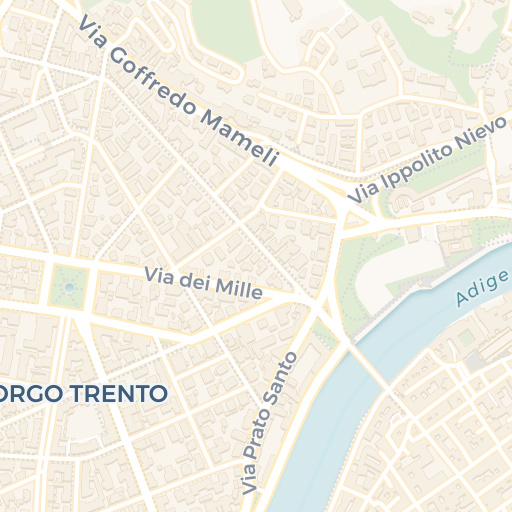
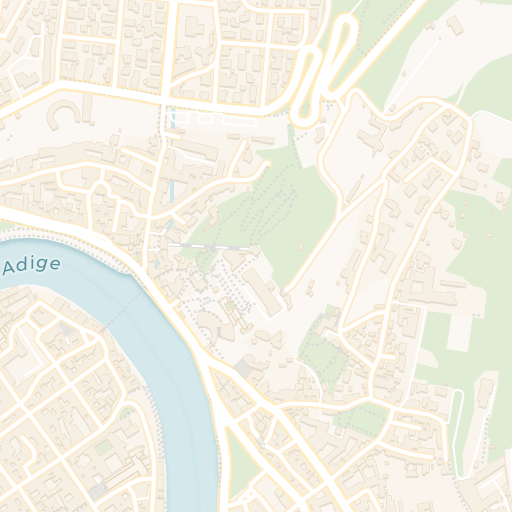
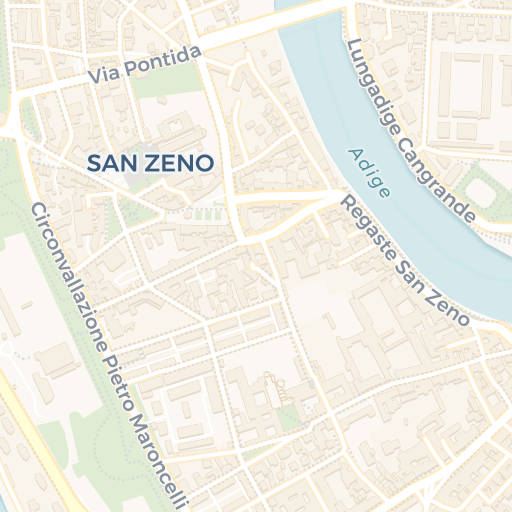
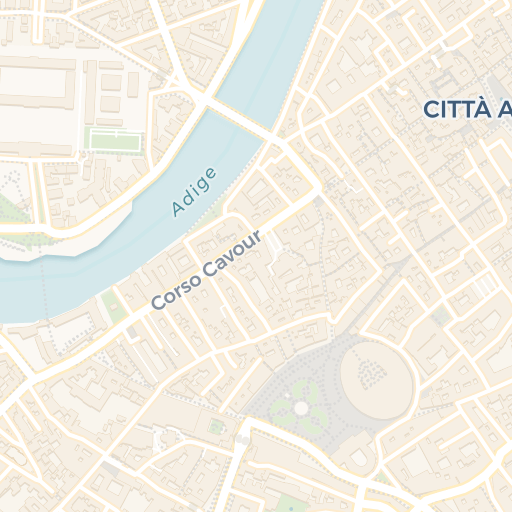
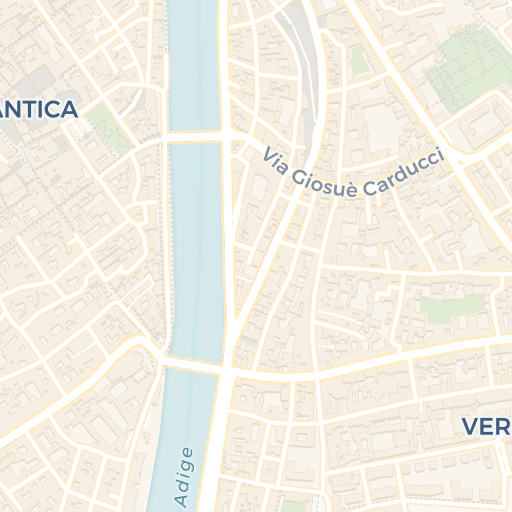
Get directions Open in Apple Maps
© OpenStreetMap contributors · © CARTO · 45.44306, 10.99717
Plan your visit
No ticket, no hours
The square is public space, free, and crossable at any hour. What has opening times is everything in it: the market stalls, the cafés, and the Torre dei Lamberti, which is entered from the courtyard behind rather than from the square.
Timing, which is the only real decision here
Early morning is when the architecture is legible — the façades are clear of stalls and awnings, and the frescoes on Casa Mazzanti catch the light from the east. Evening is when the square is at its most alive and least photographable. They are genuinely different visits and it is worth making both, since it costs nothing to walk through twice.
Avoid expecting a quiet look at midday in season: the centre fills with market traffic and the narrow pedestrian flow through to Piazza dei Signori becomes the busiest line in the old city.
Getting your bearings
The arch at the northern end, the Arco della Costa, leads through to Piazza dei Signori; the Torre dei Lamberti entrance is on that passage. Casa Mazzanti is the frescoed front on the long side, the Palazzo Maffei closes the north end, and the column with the Venetian lion stands between them.
When to visit
Morning is when the market is working and the square is doing what it has always done. The stalls are largely aimed at visitors now, but the rhythm is real.
Early evening brings the passeggiata and the cafés fill; this is the pleasantest time to sit.
Spring and autumn are the comfortable seasons -- Verona is very hot in July and August, and the square has little shade.
Late afternoon light is best for the frescoes on Casa Mazzanti, which flatten out under midday sun.
The square is busiest in the middle of the day, when it sits on every walking route through the centre.