

Torre dei Lamberti
Last updated on November 9, 2026Hours verified November 2026
Torre dei Lamberti is Verona's tallest historic tower, rising 84 metres above Piazza delle Erbe and Piazza dei Signori. Construction began in 1172, and later enlargements produced its alternating bands of brick and pale stone.
The tower formed part of Verona's civic complex. Its bells gave the city an audible rhythm: the Rengo summoned civic councils and sounded alarms, while the Marangona marked working hours and warned of fire.
Challenge to visitors
The entrance is not where the tower is. You pay and go up from the Cortile Mercato Vecchio, at Via della Costa 2 — not from Piazza delle Erbe, where the tower is the most conspicuous thing in sight. That wasted circuit round the block is the commonest mistake here, and it is entirely avoidable.
Then the stairs-or-lift question, which is also a price question. It is 289 steps up the inside of the shaft, or a glass lift. Both reach the same terrace. With a VeronaCard the stairs are free and the lift costs €1.00 — so the card does not simply let you in, it lets you in on foot.
Unusually for a Verona monument, it is open every day of the year bar Christmas Day. Three of its close neighbours shut on Mondays, which is the trap in reverse: people skip the tower on a Monday assuming it is shut too.
Visiting tips and strategy
When to go
Late afternoon is the best light from the top -- low sun across the roofscape, with the Alps sometimes visible to the north on a clear day.
Early morning is quietest; the lift queues build through the middle of the day, particularly at weekends.
Spring and autumn are the comfortable seasons. The viewing platform is fully exposed and Verona is very hot in July and August.
Winter gives the sharpest air and the clearest long views, and there is almost no queue.
Note that the bells still ring, which at close range is memorable and extremely loud.
Verified against Torre dei Lamberti (AGEC), November 2026.
Getting the good version
Do not look for the way in from Piazza delle Erbe. The entrance is in the Cortile Mercato Vecchio, the courtyard behind the tower, and circling the block looking for a door on the square is the standard mistake.
Decide about the lift before you pay: it is charged separately, it stops short of the viewing level, and a veronaCard gets you in free without it. The last flight is stairs either way. Check the hour before you climb — the bells still ring, and at that range it is not a figure of speech.
What it costs
What is free
The Cortile Mercato Vecchio, the courtyard the tower rises from, is open and free — you can walk in, look up the full height of the shaft and see the join between the twelfth-century work and the fifteenth-century campaign without paying anything. The tower is also the most visible thing in Piazza delle Erbe, which costs nothing either.
The boundary is the ticket desk inside that courtyard. Past it are the lift, the stairs and the viewing level.
Verified against Comune di Verona, October 2026.
Getting there and getting in
Admission: €6 · €4.50 reduced (groups of 15, over-60s, ages 8–14, students 14–30 with a card); €1.00 for school groups and for VeronaCard holders using the lift; free for under-8s, disabled visitors with a companion, resident over-65s, and VeronaCard holders taking the stairs
Prices verified November 2026
Getting in
The entrance is in the Cortile Mercato Vecchio, the courtyard behind the tower, not from Piazza delle Erbe where the tower is most visible — this is the most common wasted circuit of the block. The address is via della Costa 2.
Open Monday to Friday 10.00–18.00, last entry 17.40; Saturday, Sunday and public holidays 10.30–19.00, last entry 18.40. Closed 25 December and 1 January. Booking is advised, by email or on +39 045 9273027. Admission is €6.00, and free with the veronaCard — but free without the lift, which is charged separately.
The climb
A lift covers most of the height but stops short of the viewing level, leaving a final flight of stairs. The upper stair is narrow, the parapet level is small, and there is little room for people to pass, so movement is sometimes regulated when it is busy. The tower is not wheelchair accessible: the operator states plainly that the stairs rule it out.
Verified against Torre dei Lamberti (AGEC), November 2026.
Place accessibility
The tower is not wheelchair accessible, and the lift does not change that. The operator states that the steps rule it out, and Verona’s destination portal answers its own accessibility question the same way — not accessible in a wheelchair, because of the number of steps. The glass lift covers most of the climb, the alternative being 289 steps up the inside of the shaft, but it stops short of the viewing level and leaves a final flight of stairs. The lift shortens the climb; it does not remove it.
What is reachable is the courtyard, and that is not nothing. The Cortile Mercato Vecchio the tower rises from is free and level, and the join between the twelfth-century brick and the later pale stone reads from down there without going up at all. The tower is also the most visible thing in Piazza delle Erbe, which the city describes as completely accessible.
Free entry for a disabled visitor and their companion is published by the operator, and it applies if you want the lift as far as it goes. Booking is advised for everyone, by email to torredeilamberti@agec.it or by phone on 045 9273027 during opening hours.
Note the pricing quirk, which runs the opposite way to what you would expect: a VeronaCard is free on the stairs and €1.00 with the lift.
Still not published, and not guessed: whether the route from the courtyard to the lift door is step-free, and how many steps the final flight holds.
Quick facts
- Type: Historic Place, Tower
- Local name: Torre dei Lamberti (vedi la pagina italiana)
- Visitor access: Open to visitors
- Admission: €6
- Built: Begun 1172; raised 1448-1464
- Built by: The Lamberti family
- Architectural style: Romanesque and Gothic
- Height: 84 m
- Verona’s tallest tower: At 84 metres it is the highest in the city. Lightning struck it in 1403, and the damage led to the heightening carried out between 1448 and 1464.
- Two bells, two jobs: The Rengo called citizens to arms and summoned the council; the Marangona rang for fire and marked the working hours of the city’s craftsmen.
Where it is
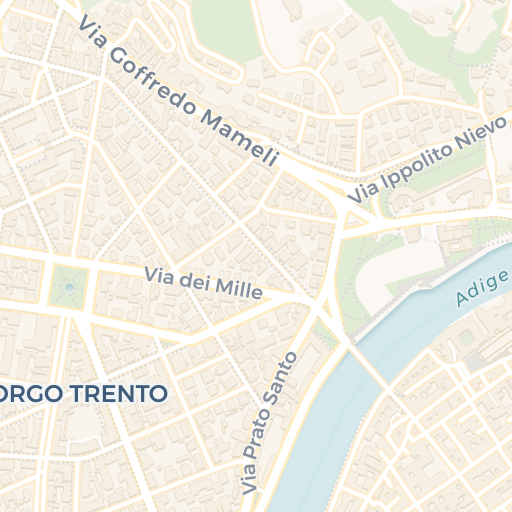
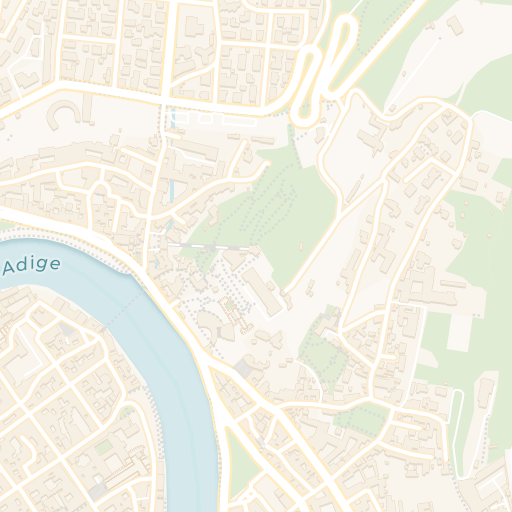
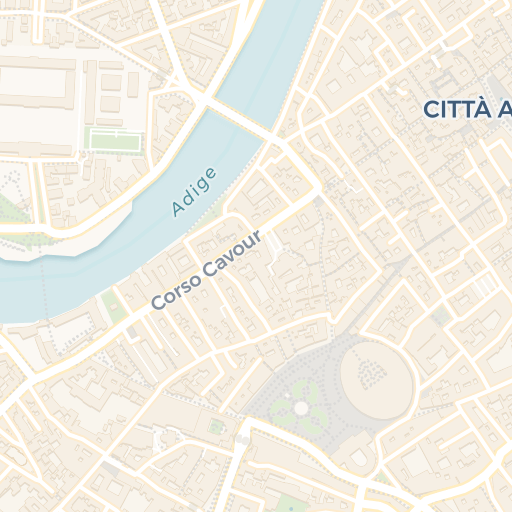
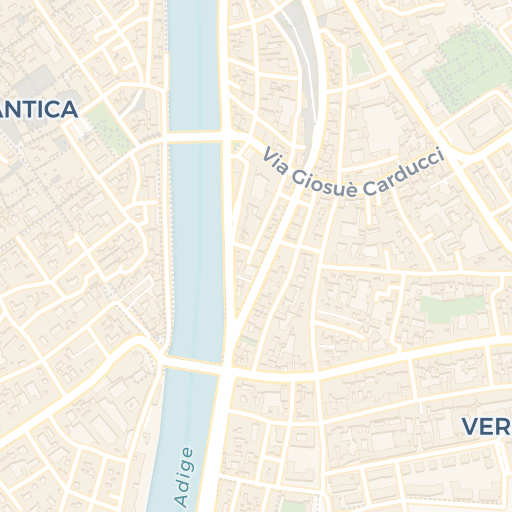
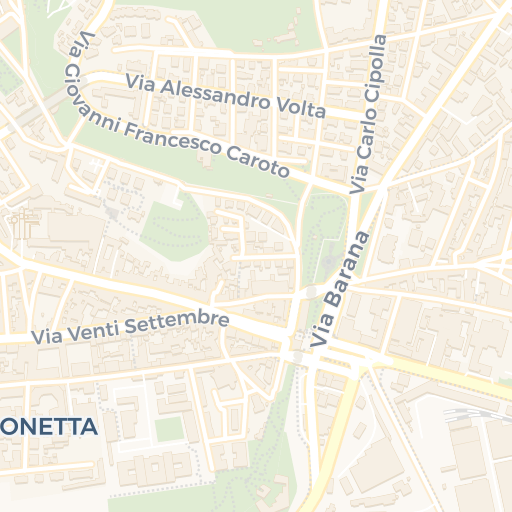
Get directions Open in Apple Maps
© OpenStreetMap contributors · © CARTO · 45.44298, 10.99772
Visit responsibly
The narrow stairs and viewing level have little room for people to pass. Pausing away from the busiest points leaves space at the parapet, while staff may regulate movement when crowds or weather make the upper level less comfortable.