

Porta Leoni Archeological Site
Last updated on September 23, 2026Why visit Porta Leoni Archeological Site
The strangest Roman survival in Verona, because you do not see a gate — you see roughly half of one, sliced vertically and embedded in the side of a much later building. A medieval house was built against it and absorbed what it needed; the rest was cut away. The result is a Roman gate in cross-section, which is a far more informative thing to look at than a complete one.
Visit if you:
- are fascinated by Roman and antique history, and by how cities consume their own past
- want to see two building periods in one wall, one cut through the other
- like archaeology left where it was found
- have two minutes on the way to Piazza delle Erbe
Skip it if you:
- want a complete building — roughly half the gate survives, cut vertically
- are making a detour; this is two minutes on the way to somewhere else
Quick facts
- Type: Monument
- Local name: Area Archeologica di Porta Leoni (vedi la pagina italiana)
- Reservation: Not required — tickets on the door
- Typical visit: About 10 minutes
- Built: 1st century BC; refaced 1st century AD
- Architectural style: Roman
- A gate you see in cross-section: A later building absorbed half the gate and the rest was cut away, leaving a Roman structure sliced vertically and visible in section from the street.
- Two gates, four centuries apart: Republican brick and tuff sit directly beneath the first-century AD limestone refacing, and the open excavation beside it exposes the earlier foundations and the Roman street several metres down.
- UNESCO World Heritage Site: Yes
Visit responsibly
The gate is built into a private building and the street is residential. Look from the pavement, and do not enter doorways or courtyards.
Do not climb the railing or drop anything into the excavation. It is an open archaeological cutting, not a display case, and litter thrown in has to be removed by hand.
Do not touch the Roman stonework, which is unprotected and at hand height.
This is a working street rather than a monument zone; keep out of the flow while you look.
Where it is
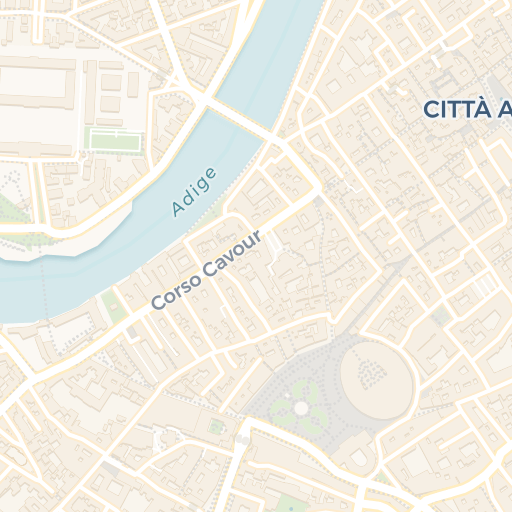
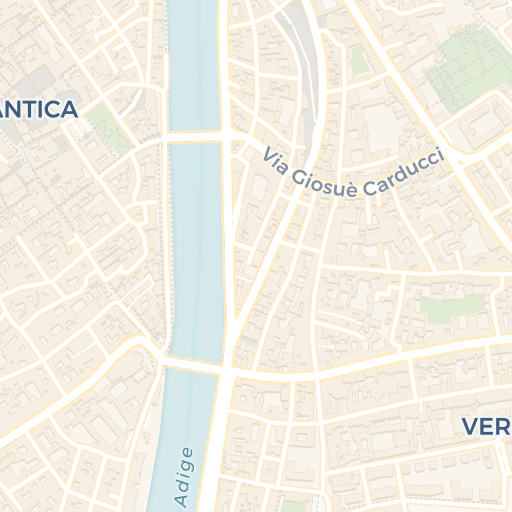
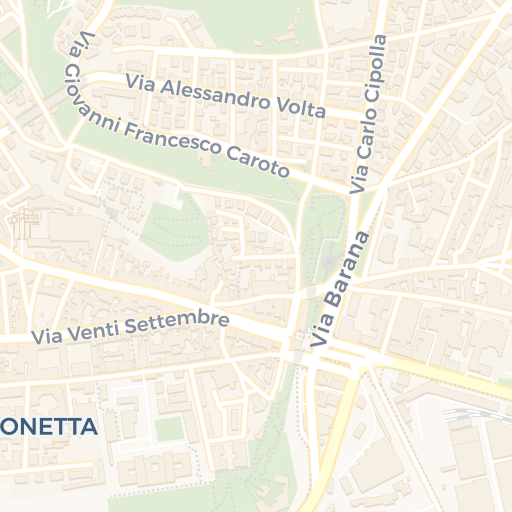
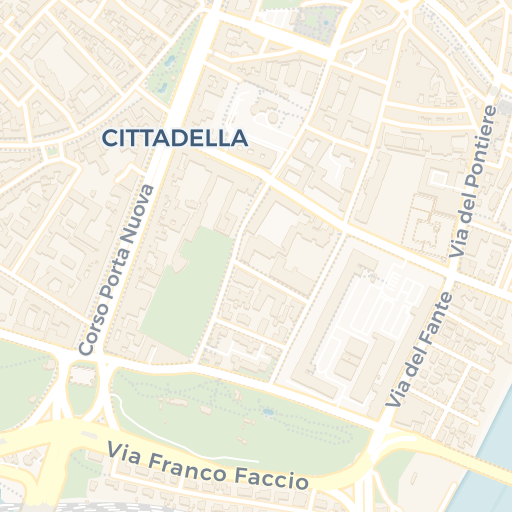
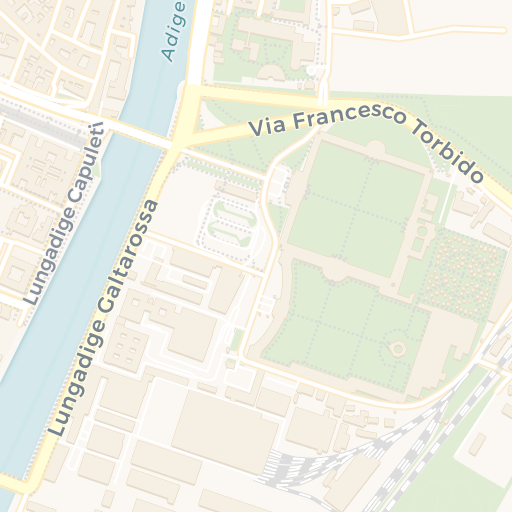
Get directions Open in Apple Maps
© OpenStreetMap contributors · © CARTO · 45.4408, 10.9975
Plan your visit
Porta Leoni is free and permanently visible from Via Leoni. There is nothing to enter, book or pay.
It is a five-minute walk south from Piazza delle Erbe, on the way toward the river.
Allow ten minutes. The excavation takes a moment to make sense of -- it helps to work out which masonry belongs to which century before moving on.
The street is level and accessible, and the excavation is viewed from the pavement.
It pairs naturally with Porta Borsari and the Arco dei Gavi as a short Roman circuit of the centre.
When to visit
Middle of the day is genuinely best here, unusually -- the excavation is a sunken pit, and it is dark and hard to read in low light.
Any season works; nothing closes.
Mornings are quietest on what is a fairly ordinary residential and shopping street.
Avoid after dark if the excavation is your reason for coming -- it is not lit for viewing.