

Arco dei Gavi
Dernière mise à jour le 9 novembre 2026L’Arco dei Gavi se dresse à côté de Castelvecchio à Vérone, et deux choses le concernant sont inhabituelles.
D’abord, c’est un monument privé. Les arcs romains étaient normalement impériaux ; celui-ci a été élevé au Ier siècle apr. J.-C. par la gens Gavia, riche famille véronaise, pour elle-même.
Ensuite, il est signé. L’architecte, un affranchi nommé Lucius Vitruvius Cerdo, y a gravé son nom — ce que très peu de bâtiments romains portent où que ce soit.
Ce qui se dresse n’est pas non plus là où il se dressait. Les troupes napoléoniennes l’ont abattu en 1805 ; les pierres ont été conservées, et il a été remonté ici en 1932.
La difficulté pour les visiteurs
The arch is not where the Romans put it. It was demolished in 1805 and rebuilt on a nearby site in 1932, so anyone who needs a monument in its original position should know that before walking over. It also stands beside a busy road rather than in a protected setting, and without knowing to look for the architect's signature and the cart ruts in the paving there is not much here to hold a visitor for more than ten minutes.
Conseils et stratégie de visite
Quand y aller
Late afternoon gives the best light on the arch and on Castelvecchio behind it.
Any season -- it stands in the open with nothing to close.
Early morning is quietest; Corso Cavour is a busy road and the arch sits beside it.
Evenings when it is lit, on the walk between the centre and Castelvecchio bridge.
En profiter vraiment
Find the architect's signature cut into the stone. Lucius Vitruvius Cerdo, a freedman, put his own name on this arch as its architect, which almost never happens in Roman architecture and is the single most interesting thing about the monument.
Look down afterwards for the cart ruts worn into the paving. Without those two things this is a handsome arch beside a busy road and nothing more. Take it together with Castelvecchio in a single stop rather than making a trip of it — the two stand next to each other and ten minutes is enough.
Ce que ça coûte
Nothing, and you can walk right round it. The arch stands free on open ground beside Castelvecchio, with no enclosure of any kind — which in Verona is rare enough to be worth the sentence.
So the two things that make it unusual are both free to examine: that it is a private monument rather than an imperial one, and that its architect signed it. Lucius Vitruvius Cerdo's name is cut into the stone and reads from the ground.
Vérifié auprès de Comune di Verona, novembre 2026.
S'y rendre et entrer
L’arc est gratuit et toujours accessible, dressé à l’air libre à côté de Castelvecchio sur le corso Cavour. Rien à réserver ni à payer.
C’est à dix minutes à pied à l’ouest de la piazza delle Erbe, immédiatement à côté de Castelvecchio et de son pont : les deux vont donc naturellement ensemble.
Prévoyez dix minutes. Cherchez la signature et les ornières dans le pavage — sans elles, c’est un bel arc et guère plus.
Le site est de plain-pied et entièrement accessible.
Combiné avec Porta Borsari et Porta Leoni, il compose une promenade romaine à travers le centre qui ne coûte rien et prend environ une heure.
Accessibilité du lieu
A free-standing Roman arch beside Castelvecchio, with nothing to enter and nothing to climb. It is free and open at any hour, and — unusually for Verona — it can be walked round completely.*
The architect’s signature, which is the rarest thing about it, is cut into the stone and readable from the ground without height or a ticket.
The ground is level, which for a Roman monument in this city is worth saying. disMappa, the Verona association that maps the city for wheelchair users, described the piazzetta beside Castelvecchio as comfortably flat after the arch’s restoration — but that was in 2013, and it recorded the surface as compacted earth at the time, so the paving may well have changed since. No current access statement is published for the site by anyone.
Ce qui est marqué d'un * relève de notre propre lecture du lieu, et non d'une déclaration de l'exploitant. Nous le lui avons demandé, et sa réponse remplacera la nôtre.
Informations essentielles
- Type: Monument
- Réservation: Non requise — billets sur place
- Visite typique: Environ 10 minutes
- Construit: 1st century AD; demolished 1805, reassembled 1932
- Construit pour: the Gavia family
- Conçu par: Lucius Vitruvius Cerdo
- Style architectural: Romain
- A Roman building that names its architect: L. Vitruvius Cerdo, a freedman, signed the arch as its designer -- almost unheard of in Roman architecture, where buildings are credited to their patrons.
- Pulled down, kept, put back: Napoleonic troops demolished it in 1805, but the blocks were numbered and stored; it was reassembled beside Castelvecchio in 1932, near its original site rather than on it.
- Site du patrimoine mondial de l'UNESCO: Oui
Où se trouve-t-il
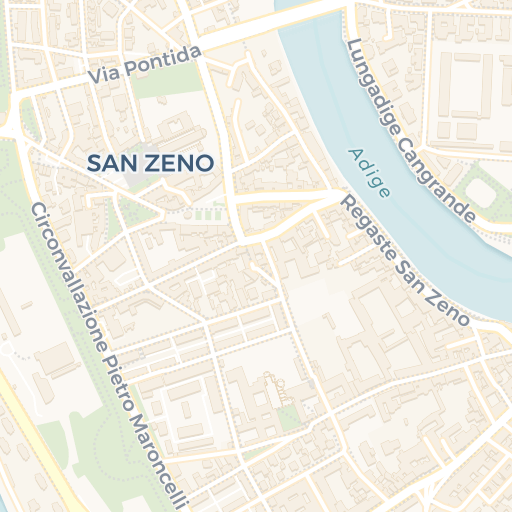
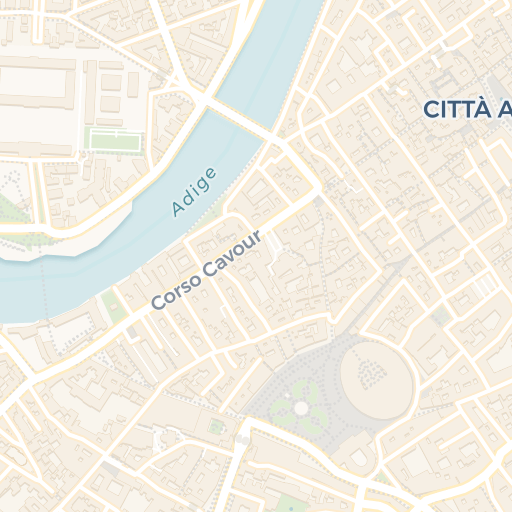
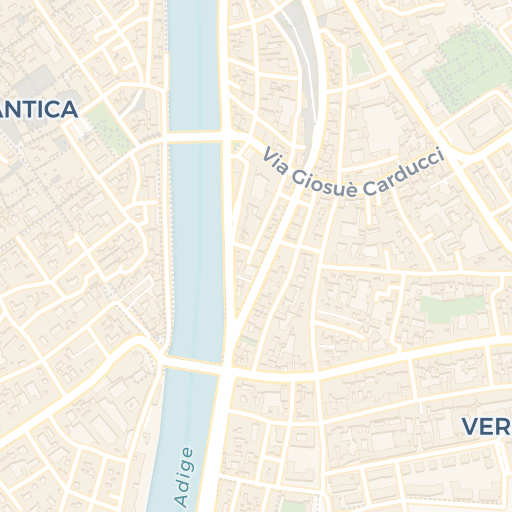
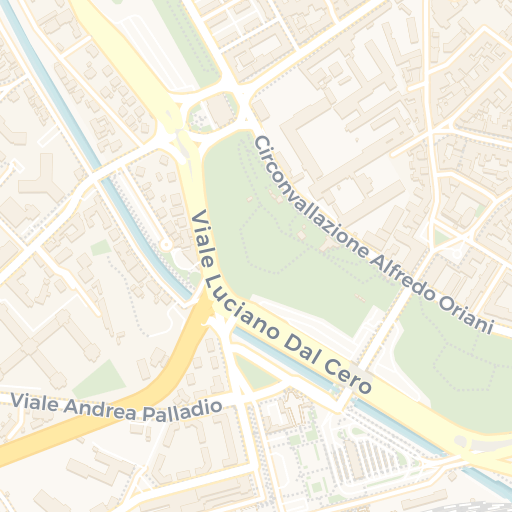
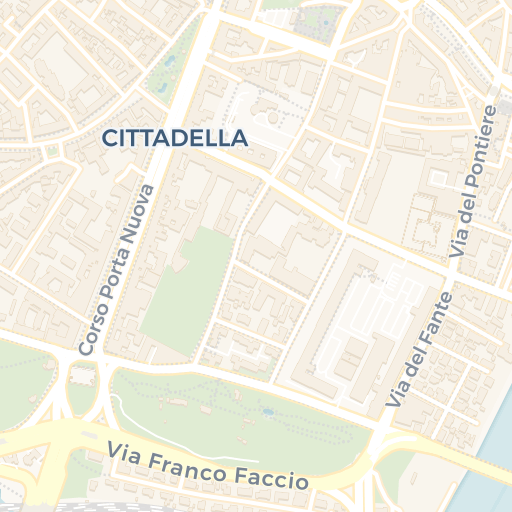
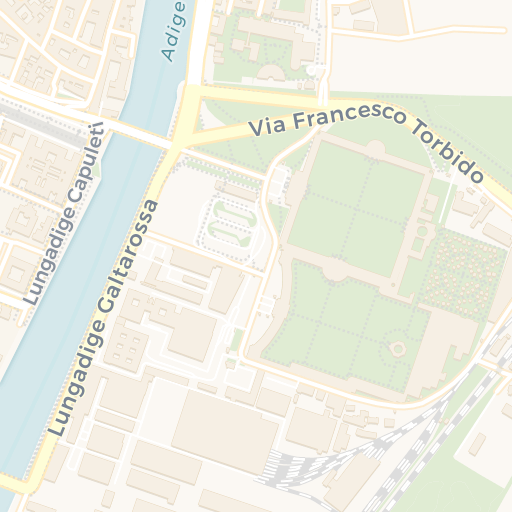
Itinéraire Ouvrir dans Apple Plans
© OpenStreetMap contributors · © CARTO · 45.44, 10.9886
Visite responsable
L’arc se dresse au bord d’une route passante. Prudence en traversant, et ne débordez pas sur la chaussée pour le photographier.
Ne montez pas sur l’arc ni sur le pavage romain exposé. Les ornières sont ce qu’il y a de plus fragile ici et de plus facile à user davantage.
Ne touchez pas les inscriptions, signature comprise — les lettres gravées sont exactement ce que les mains érodent en premier.
Visiter Castelvecchio à côté soutient le musée qui conserve une grande part du matériel romain et médiéval de Vérone, dont la statue originale de Cangrande.