

Basílica de San Zeno Maggiore
Última atualização em 8 de novembro de 2026Horários verificados novembro de 2026
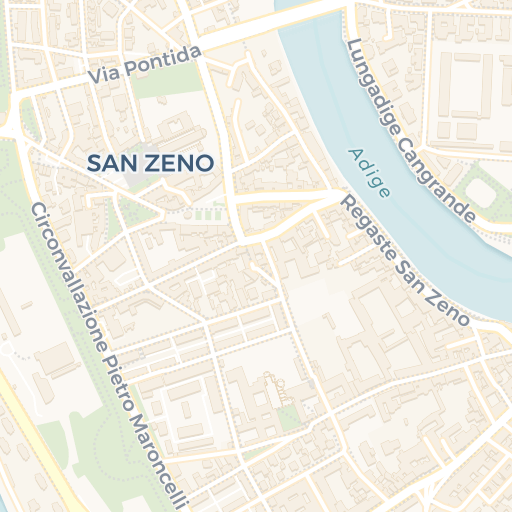
San Zeno ergue-se um pouco afastada do centro de Verona, o que em parte explica estar mais sossegada do que merece. É uma das melhores igrejas românicas de Itália.
Três coisas em particular compensam a caminhada: as portas de bronze, quarenta e oito painéis fundidos ao longo dos séculos XI e XII e entre as grandes obras do trabalho em metal medieval; os relevos esculpidos da fachada, do escultor Nicolò; e o retábulo de Mantegna de 1457-60, pintado para este altar-mor e ainda nele.
A cripta por baixo é onde casam o Romeu e a Julieta de Shakespeare, coisa que a igreja deixa de bom grado os visitantes apreciarem.
O desafio para quem visita
The basilica sits a twenty-minute walk outside the tourist centre, and that distance is the whole reason it is quiet — it is also the reason most visitors on a single day in Verona never reach it. Sunday mornings are closed to visitors: tourist admission does not begin until 13.00 on Sundays and religious holidays, because this is a working church.
Dicas e estratégia de visita
Quando ir
Morning is best: the facade faces west, so the reliefs and doors read most clearly later in the day, but the interior is brighter and emptier early.
Late afternoon puts direct sun on the facade, which is when the carving and the rose window are at their most legible from the piazza.
Spring and autumn are the comfortable seasons; Verona is very hot in July and August, though the church interior stays cool.
Avoid Sunday morning unless you are attending Mass.
The church is never as busy as the Arena or Juliet's house, at any time of year.
Verificado em Chiese Vive, outubro de 2026.
Como aproveitar ao máximo
Give the bronze doors ten minutes before you go in. Forty-eight cast panels, eleventh and twelfth century, and they are on the outside of the building where they cost nothing to look at — almost everyone walks past them to get to the ticket desk.
Inside, go to the Mantegna altarpiece last and stand square in front of it: it was painted for that position, with the real architecture of the apse continued into the picture, and from the side the trick does not work. Do not come on a Sunday morning — visiting starts at 13.00 on Sundays and religious holidays.
Quanto custa
What is free
More of San Zeno is outside the ticket than in most Verona churches. The piazza, the west front and the detached bell tower cost nothing, and the rose window and the sculpted portal facing the square are a large part of why the basilica is famous.
Inside, the ticket is €4 (€8 for the four-church pass) and it is waived outright for residents of Verona, its province and diocese, children under 11, members of religious orders, guides registered with the Ministry of Tourism, journalists, military personnel, and a visitor with a disability plus one companion.
The boundary is the desk just inside the door: the nave, the crypt and the Mantegna are all beyond it.
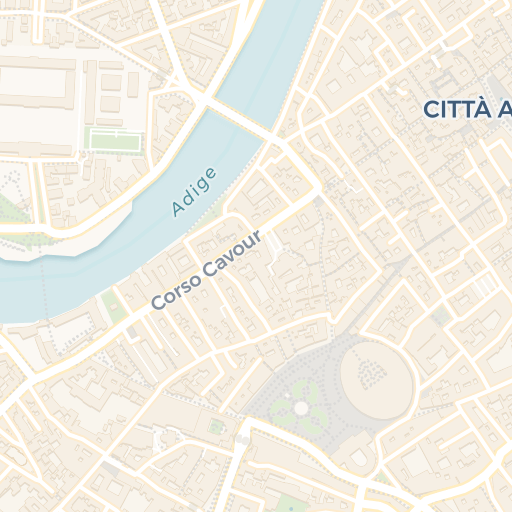
It is about a twenty-minute walk west from Piazza Bra along the river, or a short bus ride. Being outside the tourist core is exactly why it is quieter.
Opening hours differ between summer and winter and are shorter on Sunday mornings, when Mass takes priority.
Allow forty-five minutes to an hour -- longer if you look properly at the doors, which reward it.
The church is mostly level at the entrance, but the presbytery and crypt are reached by steps, so parts of the interior are not accessible.
Shoulders and knees should be covered.
Como chegar e entrar
Entrada: €4 · €4.00 for one church, on site only; a €8.00 pass covers all four historic churches within 90 days (€7.00 over-65s and students). Free with a VeronaCard, under 11s, and for disabled visitors with a companion
Preços verificados em novembro de 2026
San Zeno cobra uma entrada pequena, e está incluída no Verona Card e no bilhete combinado para as igrejas da cidade, que vale a pena comprar se tenciona ver mais do que uma.
O que é gratuito
De San Zeno vê-se fora do bilhete mais do que em quase todas as outras igrejas de Verona. A praça, a frente ocidental e o campanário isolado não custam nada, e a rosácea e o portal esculpido virados para a praça são boa parte da fama da basílica.
Lá dentro o bilhete é de 4 € (8 € o bilhete conjunto de quatro igrejas) e é inteiramente gratuito para residentes em Verona, na província e na diocese, crianças com menos de 11 anos, religiosos, guias credenciados pelo Ministério do Turismo, jornalistas, militares e uma pessoa com deficiência acompanhada.
A fronteira é o balcão poucos passos depois da porta: a nave, a cripta e o Mantegna ficam todos para lá dele.
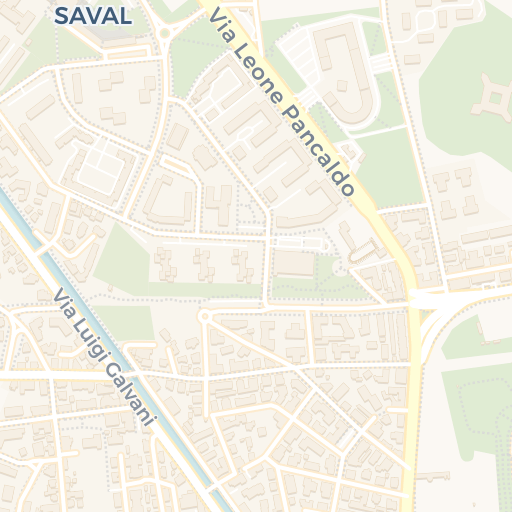
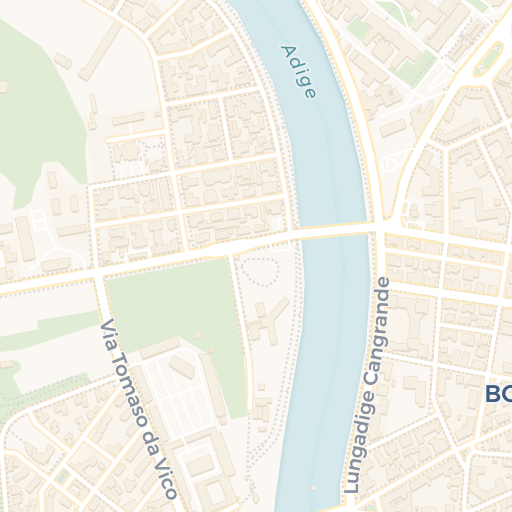
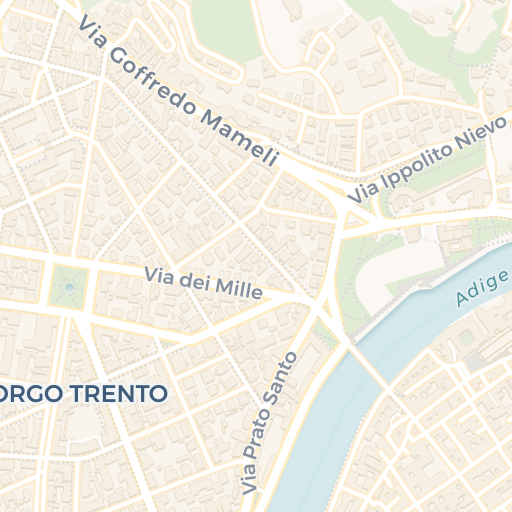
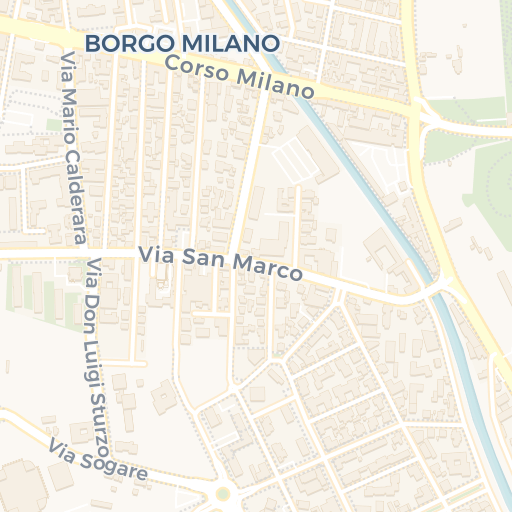
São cerca de vinte minutos a pé para oeste a partir da piazza Bra ao longo do rio, ou um trajecto curto de autocarro. Estar fora do núcleo turístico é exactamente o que a mantém mais sossegada.
Os horários diferem entre verão e inverno e são mais curtos ao domingo de manhã, quando a missa tem prioridade.
Conte com quarenta e cinco minutos a uma hora — mais se olhar as portas como deve ser, o que elas compensam.
A igreja está quase toda ao nível à entrada, mas ao presbitério e à cripta chega-se por degraus, pelo que partes do interior não são acessíveis.
Ombros e joelhos devem ir cobertos.
Verificado em Chiese Vive, novembro de 2026.
Acessibilidade do local
Wheelchair access is possible only partially here, and that is the operator's own wording rather than ours — Chiese Vive publishes a different answer for each church on its circuit, and San Zeno is the one that comes with a qualification. The Cathedral and Sant'Anastasia are stated as possible without one.
Admission is free for a disabled visitor and their companion, and no booking is needed anywhere on the circuit — you buy at the first church you enter.
The building itself explains the qualification: the nave is reached up from the west front, and the raised presbytery with Mantegna's altarpiece sits above the crypt, which is down again. The parts that cost nothing — the piazza, the west front with its bronze doors and carved reliefs, the detached bell tower — are all at street level.
What Chiese Vive does not specify, and we will not guess: which parts the partial access reaches, and whether the crypt and the raised presbytery can be reached at all. They answer enquiries at info@chieseverona.it.
Dados rápidos
- Tipo: Igreja
- Entrada: €4
- Reserva: Não é necessária — bilhetes na bilheteira
- Visita típica: Cerca de 1 hora
- Construído: Rebuilt 12th century, after the 1117 earthquake
- Projetado por: Nicolò (porch and facade sculpture)
- Estilo arquitetónico: Românico
- Confissão: Católica romana
- Forty-eight bronze panels: The doors were cast in two campaigns across the 11th and 12th centuries; the earlier panels are stiff and strange, the later ones markedly more assured, so the change in medieval sculpture is visible in one doorway.
- Mantegna still on his own altar: The San Zeno Altarpiece of 1457-60 remains where it was painted to hang. The predella panels are copies -- Napoleon took the originals, and they are now in Tours and the Louvre.
- Património Mundial da UNESCO: Sim
Visita responsável
Isto é ao mesmo tempo uma paróquia em actividade e um monumento de primeira ordem. Mantenha-se em silêncio, fique fora das celebrações e não fotografe quem esteja a rezar.
Sem flash, sobretudo perto do Mantegna. O retábulo tem mais de cinco séculos e meio e está na sua posição original, e não em condições de museu.
Não toque nas portas de bronze. Os painéis inferiores já estão polidos pelas mãos, e o dano é cumulativo e irreversível.
Compre o bilhete combinado das igrejas em vez de uma entrada avulsa se for ver várias. As igrejas de Verona mantêm-se em boa medida com essa receita.
Vir a pé ou de autocarro em vez de carro mantém o trânsito fora de um bairro residencial que recebe relativamente poucos visitantes.