

Basilika San Zeno Maggiore
Zuletzt aktualisiert am 8. November 2026Öffnungszeiten geprüft November 2026
San Zeno steht etwas abseits des Zentrums von Verona, was mit ein Grund dafür ist, dass sie ruhiger ist, als sie es verdient. Sie ist eine der schönsten romanischen Kirchen Italiens.
Drei Dinge lohnen den Weg besonders: die Bronzetüren, achtundvierzig im 11. und 12. Jahrhundert gegossene Tafeln und eines der großen Werke mittelalterlicher Metallkunst; die gemeißelten Fassadenreliefs des Bildhauers Nicolò; und Mantegnas Altarbild von 1457-1460, für diesen Hochaltar gemalt und noch immer darauf.
Die Krypta darunter ist der Ort, an dem Shakespeares Romeo und Julia getraut werden, was die Kirche den Besuchern gern lässt.
Die Herausforderung für Besucher
The basilica sits a twenty-minute walk outside the tourist centre, and that distance is the whole reason it is quiet — it is also the reason most visitors on a single day in Verona never reach it. Sunday mornings are closed to visitors: tourist admission does not begin until 13.00 on Sundays and religious holidays, because this is a working church.
Tipps und Strategie für den Besuch
Der richtige Zeitpunkt
Morning is best: the facade faces west, so the reliefs and doors read most clearly later in the day, but the interior is brighter and emptier early.
Late afternoon puts direct sun on the facade, which is when the carving and the rose window are at their most legible from the piazza.
Spring and autumn are the comfortable seasons; Verona is very hot in July and August, though the church interior stays cool.
Avoid Sunday morning unless you are attending Mass.
The church is never as busy as the Arena or Juliet's house, at any time of year.
Geprüft bei Chiese Vive, Oktober 2026.
So gelingt der Besuch
Give the bronze doors ten minutes before you go in. Forty-eight cast panels, eleventh and twelfth century, and they are on the outside of the building where they cost nothing to look at — almost everyone walks past them to get to the ticket desk.
Inside, go to the Mantegna altarpiece last and stand square in front of it: it was painted for that position, with the real architecture of the apse continued into the picture, and from the side the trick does not work. Do not come on a Sunday morning — visiting starts at 13.00 on Sundays and religious holidays.
Was es kostet
What is free
More of San Zeno is outside the ticket than in most Verona churches. The piazza, the west front and the detached bell tower cost nothing, and the rose window and the sculpted portal facing the square are a large part of why the basilica is famous.
Inside, the ticket is €4 (€8 for the four-church pass) and it is waived outright for residents of Verona, its province and diocese, children under 11, members of religious orders, guides registered with the Ministry of Tourism, journalists, military personnel, and a visitor with a disability plus one companion.
The boundary is the desk just inside the door: the nave, the crypt and the Mantegna are all beyond it.
It is about a twenty-minute walk west from Piazza Bra along the river, or a short bus ride. Being outside the tourist core is exactly why it is quieter.
Opening hours differ between summer and winter and are shorter on Sunday mornings, when Mass takes priority.
Allow forty-five minutes to an hour -- longer if you look properly at the doors, which reward it.
The church is mostly level at the entrance, but the presbytery and crypt are reached by steps, so parts of the interior are not accessible.
Shoulders and knees should be covered.
Anreise und Einlass
Eintritt: €4 · €4.00 for one church, on site only; a €8.00 pass covers all four historic churches within 90 days (€7.00 over-65s and students). Free with a VeronaCard, under 11s, and for disabled visitors with a companion
Preise geprüft im November 2026
San Zeno erhebt einen kleinen Eintritt und ist in der Verona Card sowie im Kombiticket für die Kirchen der Stadt enthalten, das sich lohnt, wenn Sie mehr als eine sehen wollen.
Was kostenlos ist
Von San Zeno liegt mehr außerhalb des Tickets als bei fast jeder anderen Kirche Veronas. Platz, Westfassade und der freistehende Glockenturm kosten nichts, und die Fensterrose und das skulptierte Portal zum Platz hin sind ein großer Teil dessen, wofür die Basilika berühmt ist.
Drinnen kostet das Ticket 4 € (8 € für den Vier-Kirchen-Pass) und entfällt ganz für Einwohner Veronas, der Provinz und der Diözese, Kinder unter 11, Ordensleute, beim Tourismusministerium registrierte Gästeführer, Journalisten, Militärangehörige sowie eine Person mit Behinderung samt einer Begleitung.
Die Grenze ist der Schalter wenige Schritte hinter der Tür: Mittelschiff, Krypta und der Mantegna liegen alle dahinter.
Es sind rund zwanzig Gehminuten westwärts von der Piazza Bra am Fluss entlang, oder eine kurze Busfahrt. Außerhalb des touristischen Kerns zu liegen ist genau der Grund, weshalb es ruhiger ist.
Die Öffnungszeiten unterscheiden sich zwischen Sommer und Winter und sind am Sonntagvormittag kürzer, wenn die Messe Vorrang hat.
Planen Sie fünfundvierzig Minuten bis eine Stunde ein — länger, wenn Sie sich die Türen richtig ansehen, was sie lohnen.
Die Kirche ist am Eingang weitgehend ebenerdig, aber Presbyterium und Krypta erreicht man über Stufen, sodass Teile des Innenraums nicht barrierefrei sind.
Schultern und Knie sollten bedeckt sein.
Geprüft bei Chiese Vive, November 2026.
Barrierefreiheit vor Ort
Wheelchair access is possible only partially here, and that is the operator's own wording rather than ours — Chiese Vive publishes a different answer for each church on its circuit, and San Zeno is the one that comes with a qualification. The Cathedral and Sant'Anastasia are stated as possible without one.
Admission is free for a disabled visitor and their companion, and no booking is needed anywhere on the circuit — you buy at the first church you enter.
The building itself explains the qualification: the nave is reached up from the west front, and the raised presbytery with Mantegna's altarpiece sits above the crypt, which is down again. The parts that cost nothing — the piazza, the west front with its bronze doors and carved reliefs, the detached bell tower — are all at street level.
What Chiese Vive does not specify, and we will not guess: which parts the partial access reaches, and whether the crypt and the raised presbytery can be reached at all. They answer enquiries at info@chieseverona.it.
Kurzinfo
- Typ: Kirche
- Eintritt: €4
- Reservierung: Nicht erforderlich — Tickets vor Ort
- Typischer Besuch: Etwa 1 Stunde
- Erbaut: Rebuilt 12th century, after the 1117 earthquake
- Entworfen von: Nicolò (porch and facade sculpture)
- Baustil: Romanisch
- Konfession: Römisch-katholisch
- Forty-eight bronze panels: The doors were cast in two campaigns across the 11th and 12th centuries; the earlier panels are stiff and strange, the later ones markedly more assured, so the change in medieval sculpture is visible in one doorway.
- Mantegna still on his own altar: The San Zeno Altarpiece of 1457-60 remains where it was painted to hang. The predella panels are copies -- Napoleon took the originals, and they are now in Tours and the Louvre.
- UNESCO-Weltkulturerbe: Ja
Wo es liegt
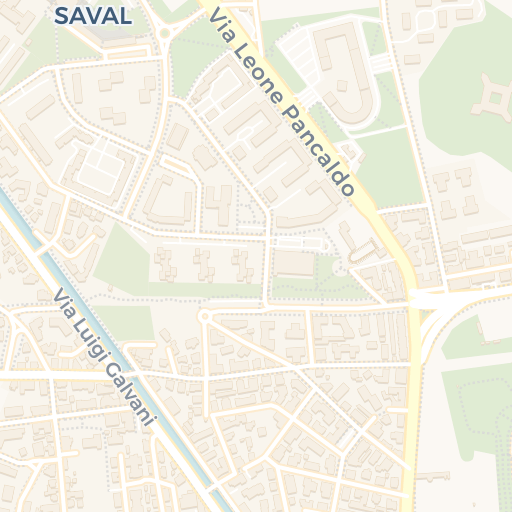
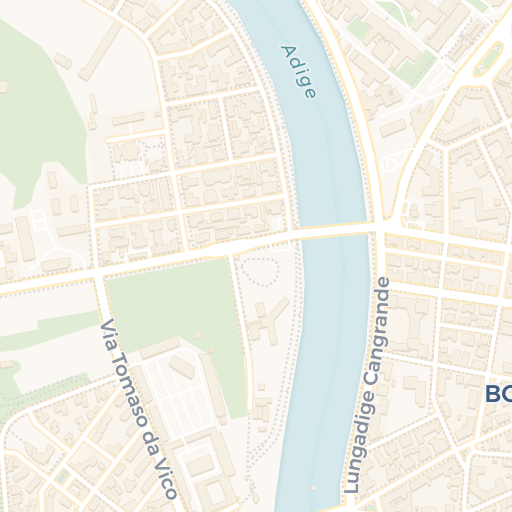
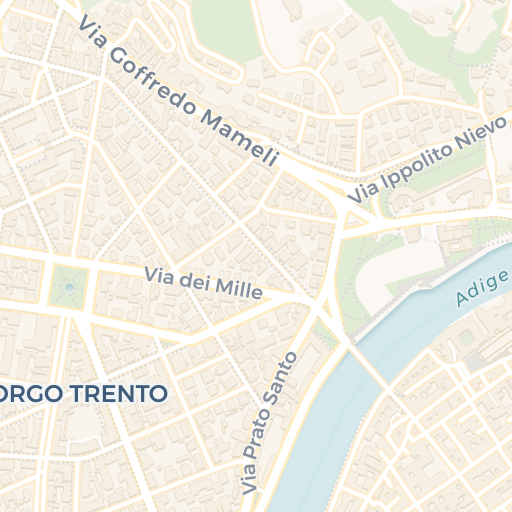
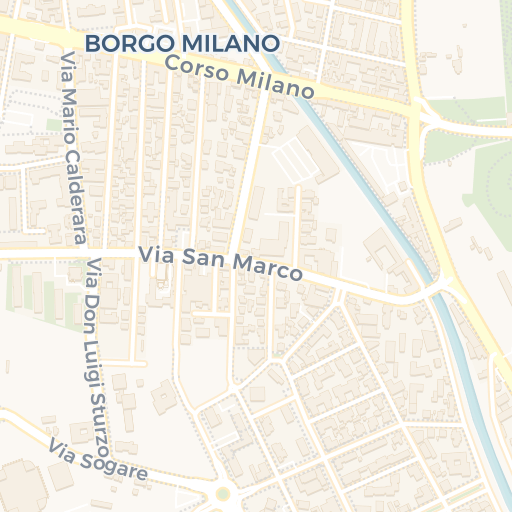
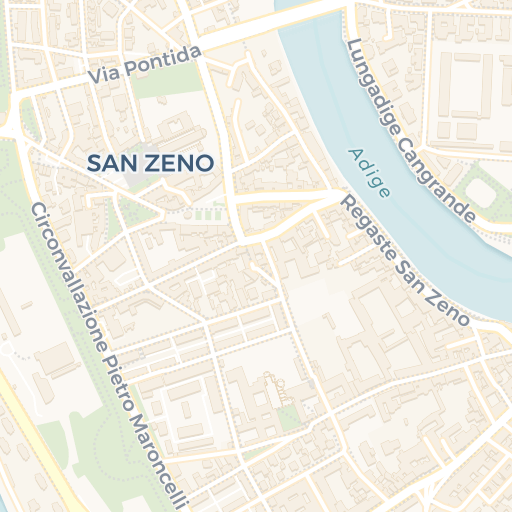
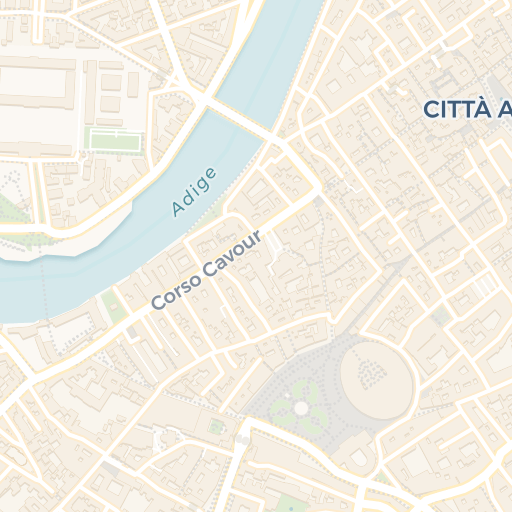
Route planen In Apple Karten öffnen
© OpenStreetMap contributors · © CARTO · 45.4426, 10.9789
Verantwortungsvoll besuchen
Dies ist zugleich eine lebendige Pfarrei und ein bedeutendes Denkmal. Bleiben Sie leise, halten Sie sich von Gottesdiensten fern und fotografieren Sie keine Betenden.
Kein Blitz, besonders nicht nahe dem Mantegna. Das Altarbild ist über fünfeinhalb Jahrhunderte alt und steht an seinem ursprünglichen Platz und nicht unter Museumsbedingungen.
Berühren Sie die Bronzetüren nicht. Die unteren Tafeln sind von Händen bereits glatt gerieben, und der Schaden summiert sich und ist nicht umkehrbar.
Kaufen Sie das Kirchen-Kombiticket statt eines Einzeleintritts, wenn Sie mehrere besuchen. Veronas Kirchen unterhalten sich großenteils aus diesen Einnahmen.
Zu Fuß oder mit dem Bus herzukommen statt mit dem Auto hält den Verkehr aus einem Wohnviertel heraus, das vergleichsweise wenige Besucher sieht.