

Basilica di San Zeno Maggiore
Last updated on September 23, 2026Why visit Basilica di San Zeno Maggiore
Three things here are among the best of their kind in Italy, and the church is quiet because it sits a twenty-minute walk outside the tourist centre. The bronze doors are forty-eight cast panels from the eleventh and twelfth centuries, the most important medieval metalwork of their type anywhere. The facade reliefs are by Nicolò. And Mantegna painted the altarpiece for this building, for this position, with the real architecture of the apse continued into the picture.
Visit if you:
- are fascinated by medieval and Romanesque history
- want sculpture and metalwork rather than paint
- like early Renaissance painting seen where it was meant to hang
- prefer churches without a queue at the door
Skip it if you:
- are not willing to walk twenty minutes out of the centre, which is the price of its quiet
- have a single morning and have not yet seen the centre
Quick facts
- Type: Church
- Local name: Basilica di San Zeno Maggiore (vedi la pagina italiana)
- Admission: €4
- Reservation: Not required — tickets on the door
- Typical visit: About 1 hour
- Built: Rebuilt 12th century, after the 1117 earthquake
- Designed by: Nicolò (porch and facade sculpture)
- Architectural style: Romanesque
- Denomination: Roman Catholic
- Forty-eight bronze panels: The doors were cast in two campaigns across the 11th and 12th centuries; the earlier panels are stiff and strange, the later ones markedly more assured, so the change in medieval sculpture is visible in one doorway.
- Mantegna still on his own altar: The San Zeno Altarpiece of 1457-60 remains where it was painted to hang. The predella panels are copies -- Napoleon took the originals, and they are now in Tours and the Louvre.
- UNESCO World Heritage Site: Yes
Visit responsibly
This is an active parish and a major monument at once. Keep quiet, stay out of services, and do not photograph people at prayer.
No flash, particularly near the Mantegna. The altarpiece is over five and a half centuries old and sits in its original position rather than in museum conditions.
Do not touch the bronze doors. The lower panels are already worn smooth by hands, and the damage is cumulative and irreversible.
Buy the combined church ticket rather than a single entry if you are seeing several. Verona's churches maintain themselves largely on that income.
Walking or taking the bus out here rather than driving keeps traffic out of a residential quarter that sees relatively few visitors.
Where it is
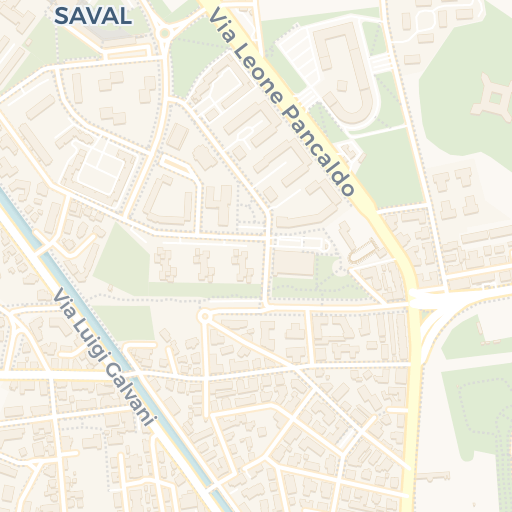
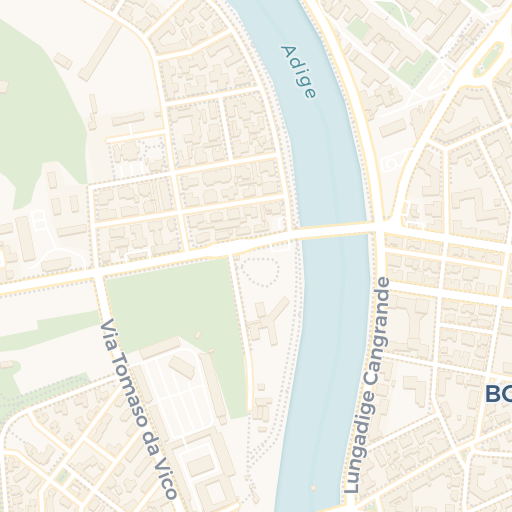
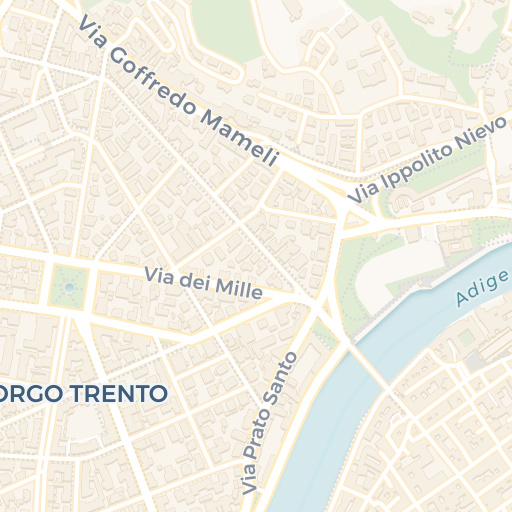
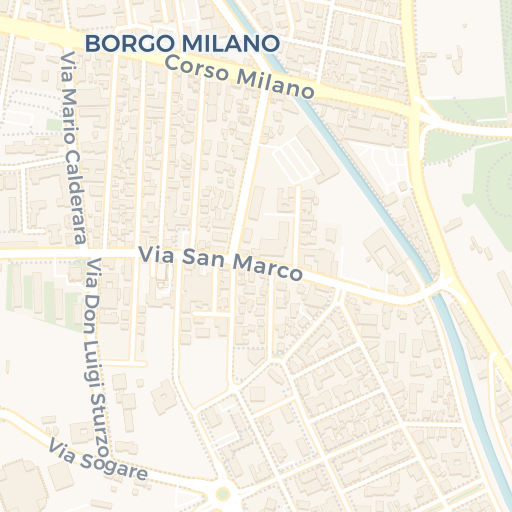
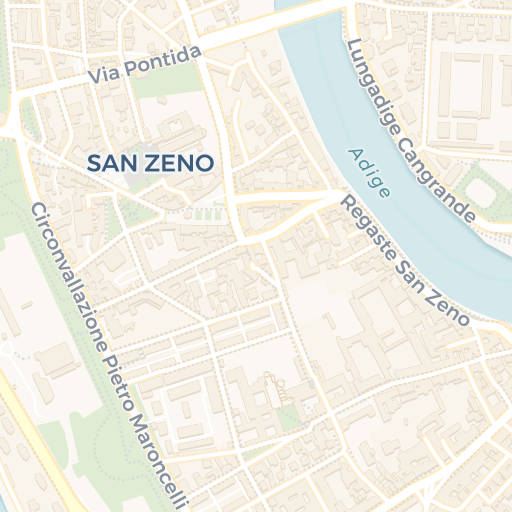
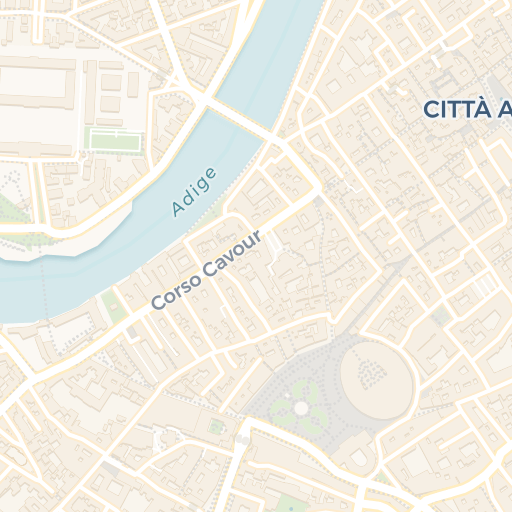
Get directions Open in Apple Maps
© OpenStreetMap contributors · © CARTO · 45.4426, 10.9789
Plan your visit
Admission: €4 · Single-church ticket; a combined ticket covers four of Verona’s churches
San Zeno charges a small admission, and is included in the Verona Card and in the combined ticket for the city's churches, which is worth buying if you intend to see more than one.
What is free
More of San Zeno is outside the ticket than in most Verona churches. The piazza, the west front and the detached bell tower cost nothing, and the rose window and the sculpted portal facing the square are a large part of why the basilica is famous.
Inside, the ticket is €4 (€8 for the four-church pass) and it is waived outright for residents of Verona, its province and diocese, children under 11, members of religious orders, guides registered with the Ministry of Tourism, journalists, military personnel, and a visitor with a disability plus one companion.
The boundary is the desk just inside the door: the nave, the crypt and the Mantegna are all beyond it.
It is about a twenty-minute walk west from Piazza Bra along the river, or a short bus ride. Being outside the tourist core is exactly why it is quieter.
Opening hours differ between summer and winter and are shorter on Sunday mornings, when Mass takes priority.
Allow forty-five minutes to an hour -- longer if you look properly at the doors, which reward it.
The church is mostly level at the entrance, but the presbytery and crypt are reached by steps, so parts of the interior are not accessible.
Shoulders and knees should be covered.
When to visit
Morning is best: the facade faces west, so the reliefs and doors read most clearly later in the day, but the interior is brighter and emptier early.
Late afternoon puts direct sun on the facade, which is when the carving and the rose window are at their most legible from the piazza.
Spring and autumn are the comfortable seasons; Verona is very hot in July and August, though the church interior stays cool.
Avoid Sunday morning unless you are attending Mass.
The church is never as busy as the Arena or Juliet's house, at any time of year.