

Basilique San Zeno Maggiore
Dernière mise à jour le 8 novembre 2026Horaires vérifiés novembre 2026
San Zeno se dresse un peu à l’écart du centre de Vérone, ce qui explique en partie qu’elle soit plus calme qu’elle ne le mérite. C’est l’une des plus belles églises romanes d’Italie.
Trois choses en particulier valent la marche : les portes de bronze, quarante-huit panneaux fondus aux XIe et XIIe siècles et comptant parmi les grandes œuvres de l’orfèvrerie médiévale ; les reliefs sculptés de la façade par le sculpteur Nicolò ; et le retable de Mantegna de 1457-1460, peint pour ce maître-autel et toujours en place.
La crypte en dessous est le lieu où se marient le Roméo et la Juliette de Shakespeare, ce que l’église laisse volontiers apprécier aux visiteurs.
La difficulté pour les visiteurs
The basilica sits a twenty-minute walk outside the tourist centre, and that distance is the whole reason it is quiet — it is also the reason most visitors on a single day in Verona never reach it. Sunday mornings are closed to visitors: tourist admission does not begin until 13.00 on Sundays and religious holidays, because this is a working church.
Conseils et stratégie de visite
Quand y aller
Morning is best: the facade faces west, so the reliefs and doors read most clearly later in the day, but the interior is brighter and emptier early.
Late afternoon puts direct sun on the facade, which is when the carving and the rose window are at their most legible from the piazza.
Spring and autumn are the comfortable seasons; Verona is very hot in July and August, though the church interior stays cool.
Avoid Sunday morning unless you are attending Mass.
The church is never as busy as the Arena or Juliet's house, at any time of year.
Vérifié auprès de Chiese Vive, octobre 2026.
En profiter vraiment
Give the bronze doors ten minutes before you go in. Forty-eight cast panels, eleventh and twelfth century, and they are on the outside of the building where they cost nothing to look at — almost everyone walks past them to get to the ticket desk.
Inside, go to the Mantegna altarpiece last and stand square in front of it: it was painted for that position, with the real architecture of the apse continued into the picture, and from the side the trick does not work. Do not come on a Sunday morning — visiting starts at 13.00 on Sundays and religious holidays.
Ce que ça coûte
What is free
More of San Zeno is outside the ticket than in most Verona churches. The piazza, the west front and the detached bell tower cost nothing, and the rose window and the sculpted portal facing the square are a large part of why the basilica is famous.
Inside, the ticket is €4 (€8 for the four-church pass) and it is waived outright for residents of Verona, its province and diocese, children under 11, members of religious orders, guides registered with the Ministry of Tourism, journalists, military personnel, and a visitor with a disability plus one companion.
The boundary is the desk just inside the door: the nave, the crypt and the Mantegna are all beyond it.
It is about a twenty-minute walk west from Piazza Bra along the river, or a short bus ride. Being outside the tourist core is exactly why it is quieter.
Opening hours differ between summer and winter and are shorter on Sunday mornings, when Mass takes priority.
Allow forty-five minutes to an hour -- longer if you look properly at the doors, which reward it.
The church is mostly level at the entrance, but the presbytery and crypt are reached by steps, so parts of the interior are not accessible.
Shoulders and knees should be covered.
S'y rendre et entrer
Entrée: €4 · €4.00 for one church, on site only; a €8.00 pass covers all four historic churches within 90 days (€7.00 over-65s and students). Free with a VeronaCard, under 11s, and for disabled visitors with a companion
Prix vérifiés en novembre 2026
San Zeno demande un petit droit d’entrée, et est incluse dans la Verona Card ainsi que dans le billet combiné des églises de la ville, qui vaut l’achat si vous comptez en voir plus d’une.
Ce qui est gratuit
À San Zeno, une plus grande part qu'ailleurs se voit hors du billet. La place, la façade occidentale et le campanile isolé ne coûtent rien, et la rosace et le portail sculpté qui donnent sur la place font une bonne partie de la réputation de la basilique.
À l'intérieur, le billet est à 4 € (8 € pour le billet groupé de quatre églises) et il est entièrement gratuit pour les résidents de Vérone, de sa province et de son diocèse, les enfants de moins de 11 ans, les religieux, les guides agréés par le ministère du Tourisme, les journalistes, les militaires, et une personne en situation de handicap avec un accompagnateur.
La limite est le guichet, quelques pas après la porte : la nef, la crypte et le Mantegna sont tous au-delà.
Comptez environ vingt minutes à pied vers l’ouest depuis la piazza Bra le long du fleuve, ou un court trajet en bus. Être hors du cœur touristique est exactement ce qui la rend plus calme.
Les horaires diffèrent entre l’été et l’hiver et sont réduits le dimanche matin, quand la messe a la priorité.
Prévoyez quarante-cinq minutes à une heure — davantage si vous regardez les portes comme il faut, ce qu’elles récompensent.
L’église est de plain-pied pour l’essentiel à l’entrée, mais on atteint le presbyterium et la crypte par des marches : certaines parties de l’intérieur ne sont donc pas accessibles.
Épaules et genoux doivent être couverts.
Vérifié auprès de Chiese Vive, novembre 2026.
Accessibilité du lieu
Wheelchair access is possible only partially here, and that is the operator's own wording rather than ours — Chiese Vive publishes a different answer for each church on its circuit, and San Zeno is the one that comes with a qualification. The Cathedral and Sant'Anastasia are stated as possible without one.
Admission is free for a disabled visitor and their companion, and no booking is needed anywhere on the circuit — you buy at the first church you enter.
The building itself explains the qualification: the nave is reached up from the west front, and the raised presbytery with Mantegna's altarpiece sits above the crypt, which is down again. The parts that cost nothing — the piazza, the west front with its bronze doors and carved reliefs, the detached bell tower — are all at street level.
What Chiese Vive does not specify, and we will not guess: which parts the partial access reaches, and whether the crypt and the raised presbytery can be reached at all. They answer enquiries at info@chieseverona.it.
Informations essentielles
- Type: Église
- Entrée: €4
- Réservation: Non requise — billets sur place
- Visite typique: Environ 1 heure
- Construit: Rebuilt 12th century, after the 1117 earthquake
- Conçu par: Nicolò (porch and facade sculpture)
- Style architectural: Roman
- Confession: Catholique romaine
- Forty-eight bronze panels: The doors were cast in two campaigns across the 11th and 12th centuries; the earlier panels are stiff and strange, the later ones markedly more assured, so the change in medieval sculpture is visible in one doorway.
- Mantegna still on his own altar: The San Zeno Altarpiece of 1457-60 remains where it was painted to hang. The predella panels are copies -- Napoleon took the originals, and they are now in Tours and the Louvre.
- Site du patrimoine mondial de l'UNESCO: Oui
Où se trouve-t-il
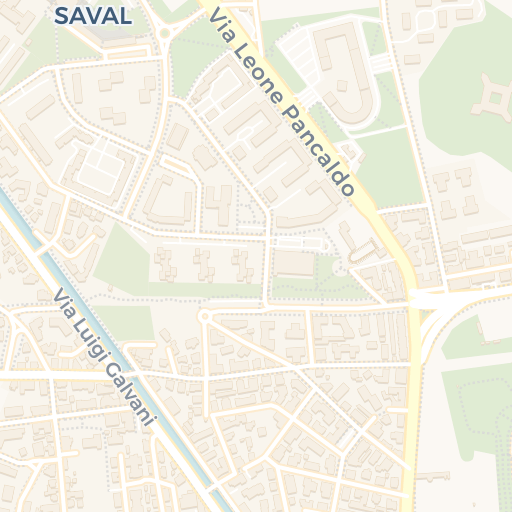
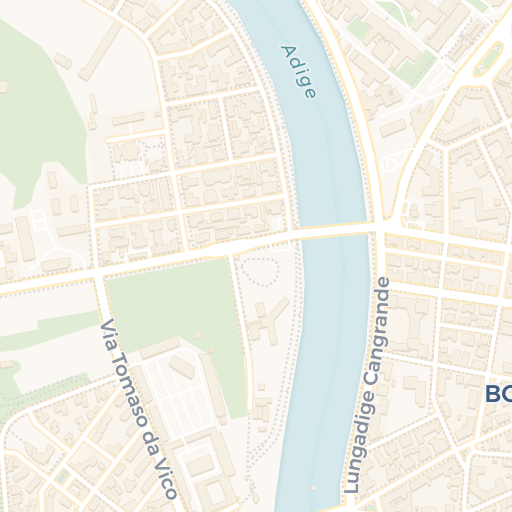
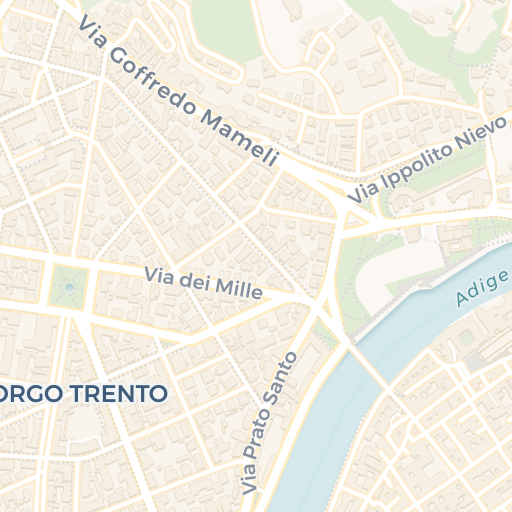
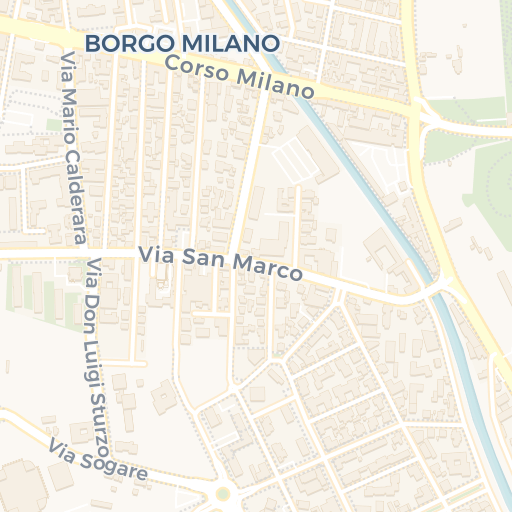
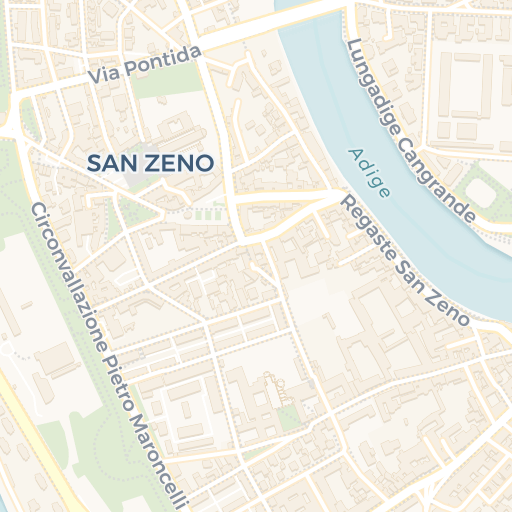
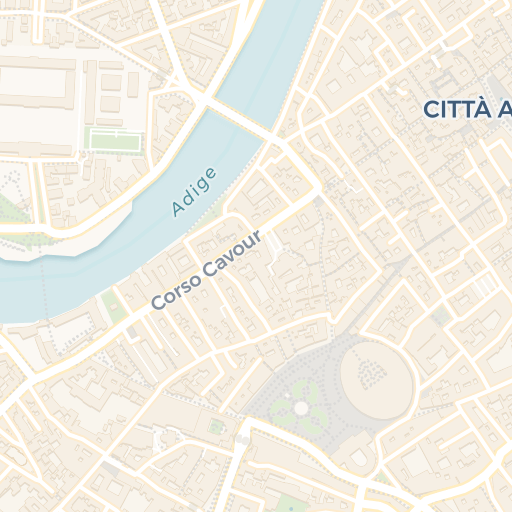
Itinéraire Ouvrir dans Apple Plans
© OpenStreetMap contributors · © CARTO · 45.4426, 10.9789
Visite responsable
C’est à la fois une paroisse en activité et un monument majeur. Restez silencieux, tenez-vous à l’écart des offices et ne photographiez pas les personnes en prière.
Pas de flash, en particulier près du Mantegna. Le retable a plus de cinq siècles et demi et se trouve à sa place d’origine et non dans des conditions de musée.
Ne touchez pas les portes de bronze. Les panneaux inférieurs sont déjà polis par les mains, et le dommage est cumulatif et irréversible.
Achetez le billet combiné des églises plutôt qu’une entrée simple si vous en visitez plusieurs. Les églises de Vérone s’entretiennent en grande partie sur ce revenu.
Venir à pied ou en bus plutôt qu’en voiture évite d’amener la circulation dans un quartier résidentiel qui voit relativement peu de visiteurs.