

Basilica di Sant’Anastasia
Last updated on September 23, 2026Why visit Basilica di Sant’Anastasia
The biggest church in Verona, and the one people walk past because the front was never finished. Inside it is the opposite of a northern Gothic cathedral: wide, calm and horizontal, carried on twelve columns of pink and red Verona marble that do most of the work. High in a chapel by the choir is Pisanello’s fresco of Saint George setting out to kill the dragon — small, awkwardly placed, and one of the few surviving works by the painter who defined late Gothic courtly art.
Visit if you:
- are fascinated by medieval history and the preaching orders that reshaped cities
- want Italian Gothic, which is a different animal from the French kind
- care about Pisanello, and late Gothic painting generally
- notice stone floors — this one is worth looking down at
Skip it if you:
- judge a church by its facade — this one was never finished and never will be
- are not drawn to interiors; almost everything worth coming for here is inside
Quick facts
- Type: Church
- Local name: Basilica di Sant’Anastasia (vedi la pagina italiana)
- Admission: €4
- Reservation: Not required — tickets on the door
- Typical visit: About 45 minutes
- Built: Begun 1290; facade never completed
- Built for: the Dominican order
- Architectural style: Italian Gothic
- Denomination: Roman Catholic
- Pisanello, high on a chapel wall: St George and the Princess, painted around 1436-38 in the Pellegrini Chapel, is among the finest surviving works of International Gothic -- and is awkwardly placed enough that most visitors walk past it.
- The largest church in Verona: Begun in 1290 and built over two centuries; the marble cladding intended for the facade was never applied, so it remains bare brick above its carved portal.
- UNESCO World Heritage Site: Yes
Visit responsibly
An active church as well as a monument: keep quiet, stay out of services, and do not photograph people at prayer.
No flash. The Pisanello is a fragile fifteenth-century wall painting that has already lost a great deal; use the coin-operated lighting instead, which is there precisely for this.
Do not touch the gobbi, however tempting. The carving is visibly worn from centuries of hands.
The combined church ticket is what maintains these buildings. Buying it rather than a single entry spreads the money across churches that get far fewer visitors than this one.
Where it is
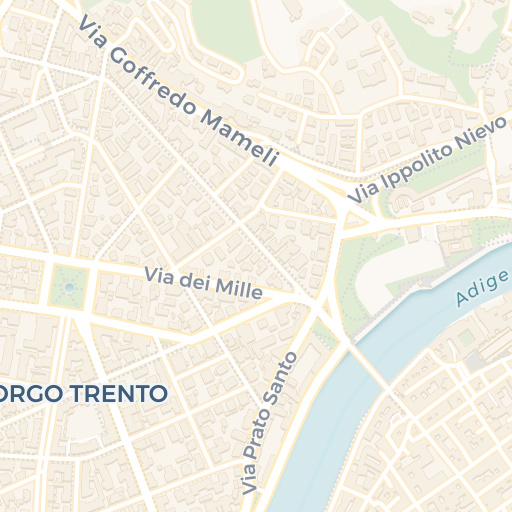
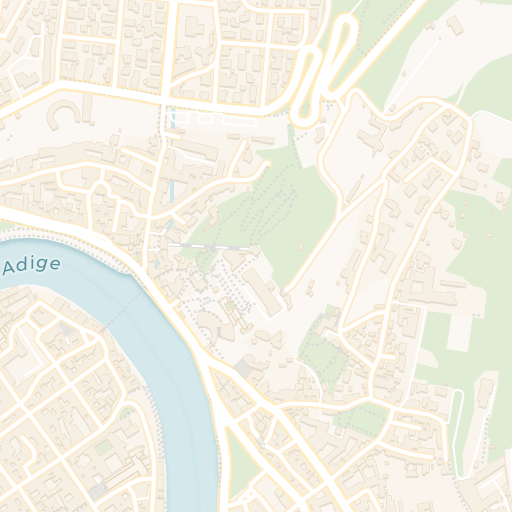
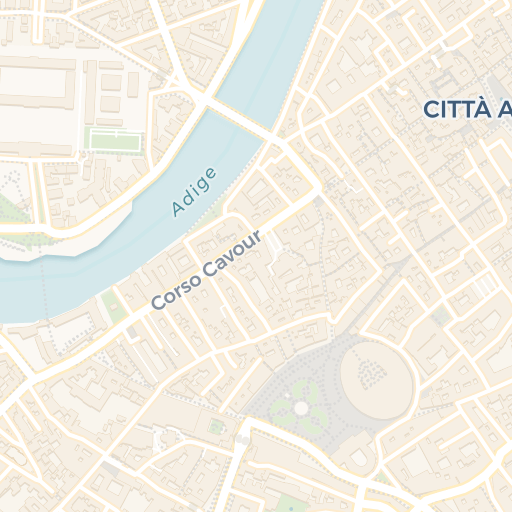
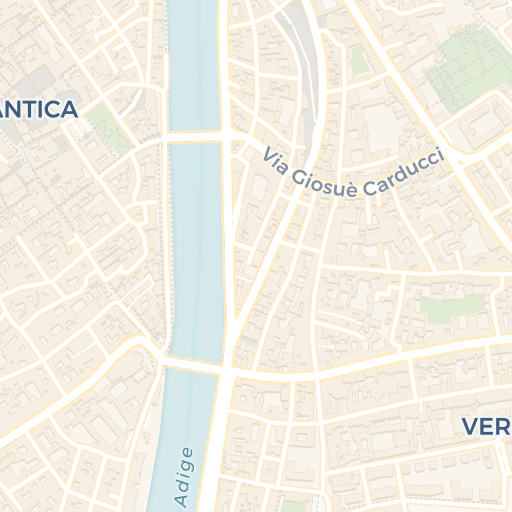
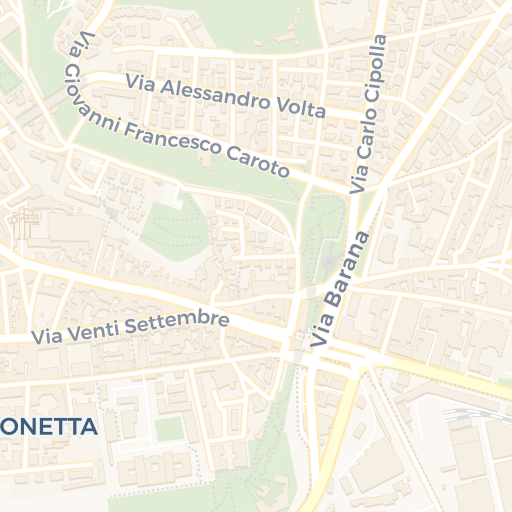
Get directions Open in Apple Maps
© OpenStreetMap contributors · © CARTO · 45.4453, 10.9986
Plan your visit
Admission: €4 · Single-church ticket; a combined ticket covers four of Verona’s churches
Sant'Anastasia charges a small admission and is covered by the Verona Card and the combined church ticket.
What is free
The exterior costs nothing — the great unfinished brick front on the piazza, and the flank running down towards the river.
Inside, the ticket is €4 (€8 for the four-church pass), waived for residents of Verona, its province and diocese, children under 11, members of religious orders, registered guides, journalists, military personnel, and a visitor with a disability plus one companion.
The boundary is the desk inside the door. The Pisanello fresco and the two gobbi holding the holy-water stoups are on the ticketed side of it.
It stands close to Ponte Pietra and a few minutes' walk from Piazza delle Erbe, so it is easy to combine with the centre.
Opening hours are seasonal and shorter on Sunday mornings, when Mass takes precedence.
Allow thirty to forty-five minutes. Bring coins for the chapel lighting -- the Pisanello is very hard to read otherwise.
The church is level and step-free at the main entrance and is among the more accessible of Verona's churches.
Shoulders and knees should be covered.
When to visit
Late morning and early afternoon give the most daylight in the Pellegrini Chapel, which is otherwise dim.
Spring and autumn are the comfortable seasons in Verona; the interior is cool in summer, which is its own argument.
Avoid Sunday morning unless attending Mass.
The church is busy in the middle of the day in season because it sits on the main route between Piazza delle Erbe and Ponte Pietra, but never approaches the Arena's crowds.