

Basilika Sant’Anastasia
Zuletzt aktualisiert am 8. November 2026Öffnungszeiten geprüft November 2026
Sant’Anastasia ist die größte Kirche Veronas, eine 1290 begonnene Dominikanerbasilika, an der zwei Jahrhunderte lang gebaut wurde. Ihre Fassade wurde nie vollendet, was einem zuerst auffällt und am wenigsten wichtig ist.
Drinnen kommt es auf die Größe an: hohe gotische Schiffe auf mächtigen Säulen aus Veroneser Marmor und ein Boden aus rotem, weißem und grauem Stein in Mustern verlegt.
Weshalb Kunsthistoriker kommen, ist ein kleines Fresko hoch in einer Kapelle beim Chor: Pisanellos Der heilige Georg und die Prinzessin, um 1436-38 gemalt und eines der schönsten erhaltenen Werke der Internationalen Gotik überhaupt.
Die Herausforderung für Besucher
The front was never finished and never will be, so the building gives a passer-by almost nothing — the reason to come is entirely inside, and people walk past it daily without realising it is the largest church in Verona. Pisanello's Saint George is small and awkwardly placed high above an arch in a side chapel, and it is quite possible to leave without having found it. The single ticket cannot be booked ahead: it is sold only at the church door.
Tipps und Strategie für den Besuch
Der richtige Zeitpunkt
Late morning and early afternoon give the most daylight in the Pellegrini Chapel, which is otherwise dim.
Spring and autumn are the comfortable seasons in Verona; the interior is cool in summer, which is its own argument.
Avoid Sunday morning unless attending Mass.
The church is busy in the middle of the day in season because it sits on the main route between Piazza delle Erbe and Ponte Pietra, but never approaches the Arena's crowds.
Geprüft bei Chiese Vive, Oktober 2026.
So gelingt der Besuch
Go straight to the Pellegrini Chapel by the choir and look high. Pisanello's Saint George is small, awkwardly placed above the arch, and people leave without having found it — it is one of very few surviving works by the painter and it is the reason to be in this building.
Buy the ticket at the door, because there is no other way: the single entry is sold only at the churches themselves and cannot be booked online. If you intend to see a second church, buy the four-church pass instead — it costs twice a single entry and covers four.
Was es kostet
What is free
The exterior costs nothing — the great unfinished brick front on the piazza, and the flank running down towards the river.
Inside, the ticket is €4 (€8 for the four-church pass), waived for residents of Verona, its province and diocese, children under 11, members of religious orders, registered guides, journalists, military personnel, and a visitor with a disability plus one companion.
The boundary is the desk inside the door. The Pisanello fresco and the two gobbi holding the holy-water stoups are on the ticketed side of it.
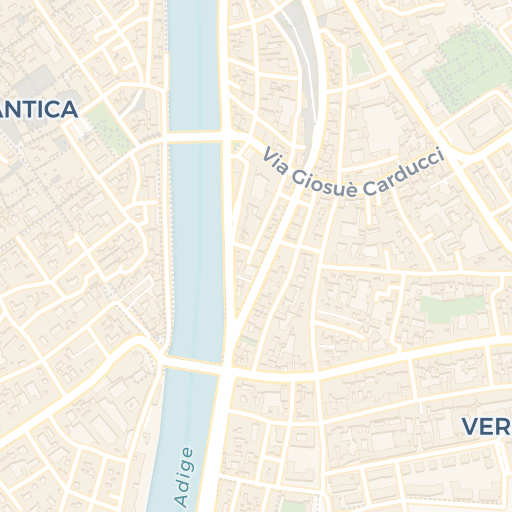
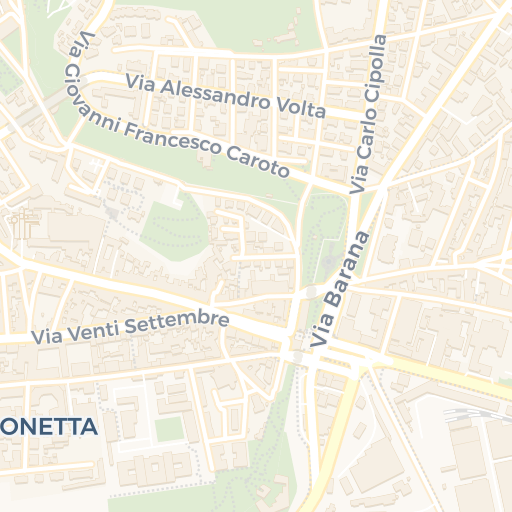
It stands close to Ponte Pietra and a few minutes' walk from Piazza delle Erbe, so it is easy to combine with the centre.
Opening hours are seasonal and shorter on Sunday mornings, when Mass takes precedence.
Allow thirty to forty-five minutes. Bring coins for the chapel lighting -- the Pisanello is very hard to read otherwise.
The church is level and step-free at the main entrance and is among the more accessible of Verona's churches.
Shoulders and knees should be covered.
Anreise und Einlass
Eintritt: €4 · €4.00 for one church, on site only; a €8.00 pass covers all four historic churches within 90 days (€7.00 over-65s and students). Free with a VeronaCard, under 11s, and for disabled visitors with a companion
Preise geprüft im November 2026
Sant’Anastasia erhebt einen kleinen Eintritt und ist von der Verona Card und vom Kirchen-Kombiticket abgedeckt.
Was kostenlos ist
Das Äußere kostet nichts: die große, unvollendet gebliebene Backsteinfront zum Platz hin und die Flanke, die zum Fluss hinabläuft.
Drinnen kostet das Ticket 4 € (8 € für den Vier-Kirchen-Pass) und entfällt für Einwohner Veronas, der Provinz und der Diözese, Kinder unter 11, Ordensleute, registrierte Gästeführer, Journalisten, Militärangehörige und eine Person mit Behinderung samt Begleitung.
Die Grenze ist der Schalter gleich hinter der Tür. Das Pisanello-Fresko und die beiden gobbi, die die Weihwasserbecken tragen, liegen auf der zahlenden Seite.
Sie steht nahe der Ponte Pietra und wenige Gehminuten von der Piazza delle Erbe, lässt sich also leicht mit dem Zentrum verbinden.
Die Öffnungszeiten sind saisonal und am Sonntagvormittag kürzer, wenn die Messe Vorrang hat.
Planen Sie dreißig bis fünfundvierzig Minuten ein. Bringen Sie Münzen für die Kapellenbeleuchtung mit — sonst ist der Pisanello sehr schwer zu lesen.
Die Kirche ist am Haupteingang ebenerdig und stufenfrei und gehört zu den zugänglicheren Kirchen Veronas.
Schultern und Knie sollten bedeckt sein.
Geprüft bei Chiese Vive, November 2026.
Barrierefreiheit vor Ort
Wheelchair access is possible, stated plainly by Chiese Vive without the qualification it attaches to San Zeno on the same circuit. Free entry for a disabled visitor and their companion.
The floor helps: this is one wide, level Gothic hall rather than a church on several levels, and the famous things are reachable from it — the red Verona marble columns, the patterned stone floor, and the crouching figures carrying the holy water stoups just inside the door.
The exception is Pisanello's fresco, which is the reason art historians come and which sits high in a chapel by the choir. Seeing it properly is a matter of sightlines rather than steps, and binoculars help far more than anything else on this page.
Not specified by the operator, and not guessed: whether the threshold at the main door has a step.
Kurzinfo
- Typ: Kirche
- Eintritt: €4
- Reservierung: Nicht erforderlich — Tickets vor Ort
- Typischer Besuch: Etwa 45 Minuten
- Erbaut: Begun 1290; facade never completed
- Erbaut für: the Dominican order
- Baustil: Italienische Gotik
- Konfession: Römisch-katholisch
- Pisanello, high on a chapel wall: St George and the Princess, painted around 1436-38 in the Pellegrini Chapel, is among the finest surviving works of International Gothic -- and is awkwardly placed enough that most visitors walk past it.
- The largest church in Verona: Begun in 1290 and built over two centuries; the marble cladding intended for the facade was never applied, so it remains bare brick above its carved portal.
- UNESCO-Weltkulturerbe: Ja
Wo es liegt
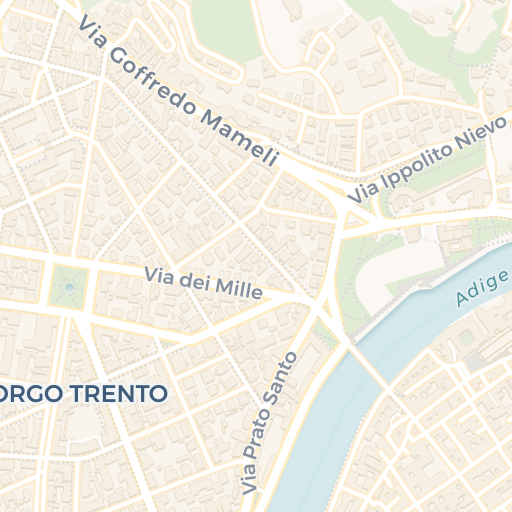
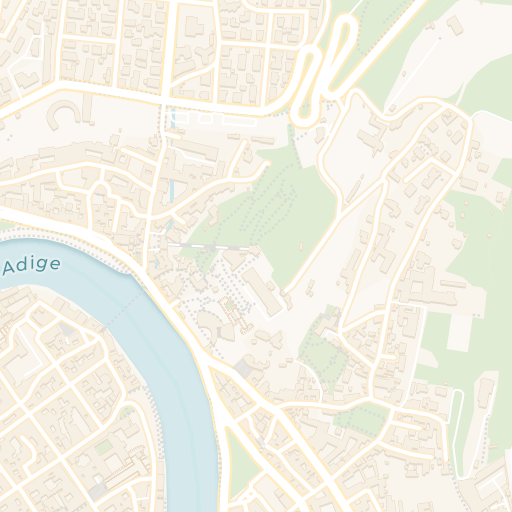
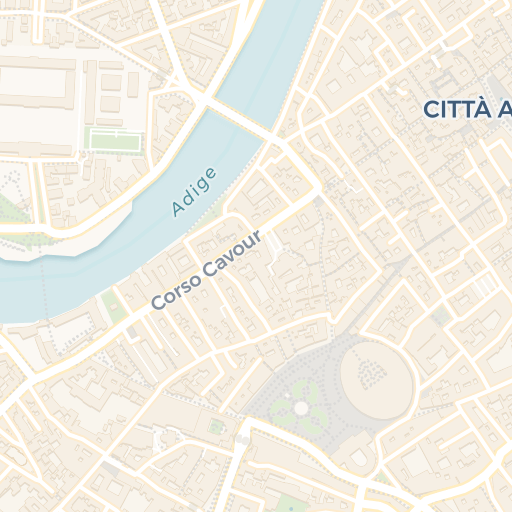
Route planen In Apple Karten öffnen
© OpenStreetMap contributors · © CARTO · 45.4453, 10.9986
Verantwortungsvoll besuchen
Eine Kirche in Gebrauch wie auch ein Denkmal: Bleiben Sie leise, halten Sie sich von Gottesdiensten fern und fotografieren Sie keine Betenden.
Kein Blitz. Der Pisanello ist eine empfindliche Wandmalerei des 15. Jahrhunderts, die bereits viel verloren hat; nutzen Sie stattdessen die Münzbeleuchtung, die genau dafür da ist.
Berühren Sie die gobbi nicht, so verlockend es ist. Die Arbeit ist von Jahrhunderten voller Hände sichtbar abgerieben.
Das Kirchen-Kombiticket ist es, was diese Bauten unterhält. Es statt eines Einzeleintritts zu kaufen verteilt das Geld auf Kirchen, die weit weniger Besucher bekommen als diese.