

Basilique Sant’Anastasia
Dernière mise à jour le 8 novembre 2026Horaires vérifiés novembre 2026
Sant’Anastasia est la plus grande église de Vérone, une basilique dominicaine commencée en 1290 et travaillée pendant deux siècles. Sa façade n’a jamais été achevée, ce qui est la première chose que l’on remarque et la moins importante.
À l’intérieur, c’est l’échelle qui compte : hautes nefs gothiques sur d’énormes colonnes de marbre de Vérone, et un sol de pierre rouge, blanche et grise posée en motifs.
Ce qui attire les historiens de l’art est une petite fresque haut placée dans une chapelle près du chœur : Saint Georges et la princesse de Pisanello, peinte vers 1436-1438 et l’une des plus belles œuvres subsistantes du gothique international où que ce soit.
La difficulté pour les visiteurs
The front was never finished and never will be, so the building gives a passer-by almost nothing — the reason to come is entirely inside, and people walk past it daily without realising it is the largest church in Verona. Pisanello's Saint George is small and awkwardly placed high above an arch in a side chapel, and it is quite possible to leave without having found it. The single ticket cannot be booked ahead: it is sold only at the church door.
Conseils et stratégie de visite
Quand y aller
Late morning and early afternoon give the most daylight in the Pellegrini Chapel, which is otherwise dim.
Spring and autumn are the comfortable seasons in Verona; the interior is cool in summer, which is its own argument.
Avoid Sunday morning unless attending Mass.
The church is busy in the middle of the day in season because it sits on the main route between Piazza delle Erbe and Ponte Pietra, but never approaches the Arena's crowds.
Vérifié auprès de Chiese Vive, octobre 2026.
En profiter vraiment
Go straight to the Pellegrini Chapel by the choir and look high. Pisanello's Saint George is small, awkwardly placed above the arch, and people leave without having found it — it is one of very few surviving works by the painter and it is the reason to be in this building.
Buy the ticket at the door, because there is no other way: the single entry is sold only at the churches themselves and cannot be booked online. If you intend to see a second church, buy the four-church pass instead — it costs twice a single entry and covers four.
Ce que ça coûte
What is free
The exterior costs nothing — the great unfinished brick front on the piazza, and the flank running down towards the river.
Inside, the ticket is €4 (€8 for the four-church pass), waived for residents of Verona, its province and diocese, children under 11, members of religious orders, registered guides, journalists, military personnel, and a visitor with a disability plus one companion.
The boundary is the desk inside the door. The Pisanello fresco and the two gobbi holding the holy-water stoups are on the ticketed side of it.
It stands close to Ponte Pietra and a few minutes' walk from Piazza delle Erbe, so it is easy to combine with the centre.
Opening hours are seasonal and shorter on Sunday mornings, when Mass takes precedence.
Allow thirty to forty-five minutes. Bring coins for the chapel lighting -- the Pisanello is very hard to read otherwise.
The church is level and step-free at the main entrance and is among the more accessible of Verona's churches.
Shoulders and knees should be covered.
S'y rendre et entrer
Entrée: €4 · €4.00 for one church, on site only; a €8.00 pass covers all four historic churches within 90 days (€7.00 over-65s and students). Free with a VeronaCard, under 11s, and for disabled visitors with a companion
Prix vérifiés en novembre 2026
Sant’Anastasia demande un petit droit d’entrée et est couverte par la Verona Card et par le billet combiné des églises.
Ce qui est gratuit
L'extérieur ne coûte rien : la grande façade de brique restée inachevée sur la place, et le flanc qui descend vers le fleuve.
À l'intérieur, le billet est à 4 € (8 € pour le billet groupé de quatre églises), gratuit pour les résidents de Vérone, de sa province et de son diocèse, les enfants de moins de 11 ans, les religieux, les guides agréés, les journalistes, les militaires et une personne en situation de handicap avec un accompagnateur.
La limite est le guichet juste après la porte. La fresque de Pisanello et les deux gobbi qui portent les bénitiers sont du côté payant.
Elle se tient près du Ponte Pietra et à quelques minutes à pied de la piazza delle Erbe : facile à combiner avec le centre.
Les horaires sont saisonniers et réduits le dimanche matin, quand la messe a la priorité.
Prévoyez trente à quarante-cinq minutes. Apportez des pièces pour l’éclairage de la chapelle — sans quoi le Pisanello est très difficile à lire.
L’église est de plain-pied et sans marches à l’entrée principale et compte parmi les plus accessibles de Vérone.
Épaules et genoux doivent être couverts.
Vérifié auprès de Chiese Vive, novembre 2026.
Accessibilité du lieu
Wheelchair access is possible, stated plainly by Chiese Vive without the qualification it attaches to San Zeno on the same circuit. Free entry for a disabled visitor and their companion.
The floor helps: this is one wide, level Gothic hall rather than a church on several levels, and the famous things are reachable from it — the red Verona marble columns, the patterned stone floor, and the crouching figures carrying the holy water stoups just inside the door.
The exception is Pisanello's fresco, which is the reason art historians come and which sits high in a chapel by the choir. Seeing it properly is a matter of sightlines rather than steps, and binoculars help far more than anything else on this page.
Not specified by the operator, and not guessed: whether the threshold at the main door has a step.
Informations essentielles
- Type: Église
- Entrée: €4
- Réservation: Non requise — billets sur place
- Visite typique: Environ 45 minutes
- Construit: Begun 1290; facade never completed
- Construit pour: the Dominican order
- Style architectural: Gothique italien
- Confession: Catholique romaine
- Pisanello, high on a chapel wall: St George and the Princess, painted around 1436-38 in the Pellegrini Chapel, is among the finest surviving works of International Gothic -- and is awkwardly placed enough that most visitors walk past it.
- The largest church in Verona: Begun in 1290 and built over two centuries; the marble cladding intended for the facade was never applied, so it remains bare brick above its carved portal.
- Site du patrimoine mondial de l'UNESCO: Oui
Où se trouve-t-il
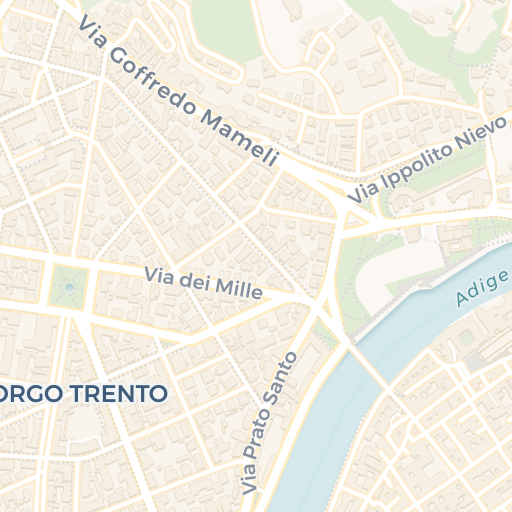
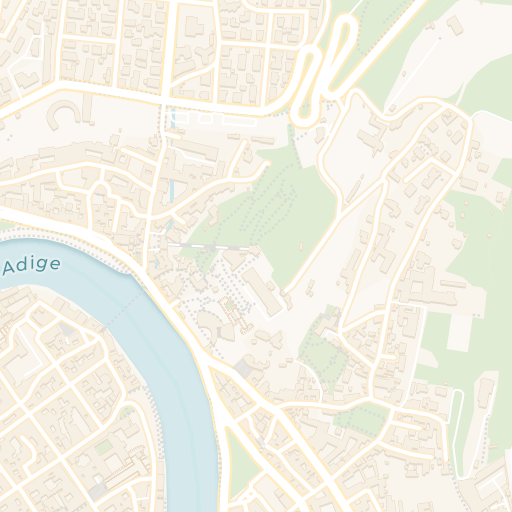
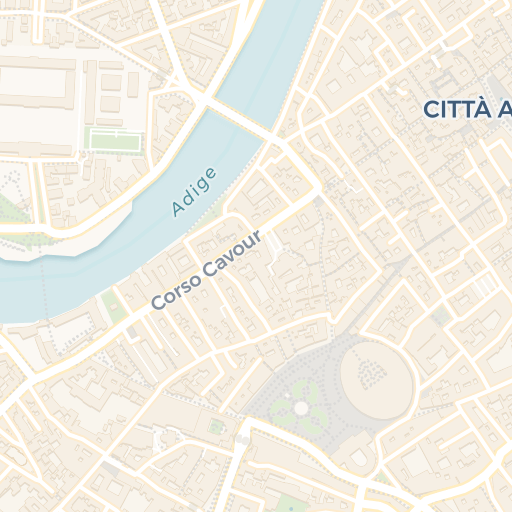
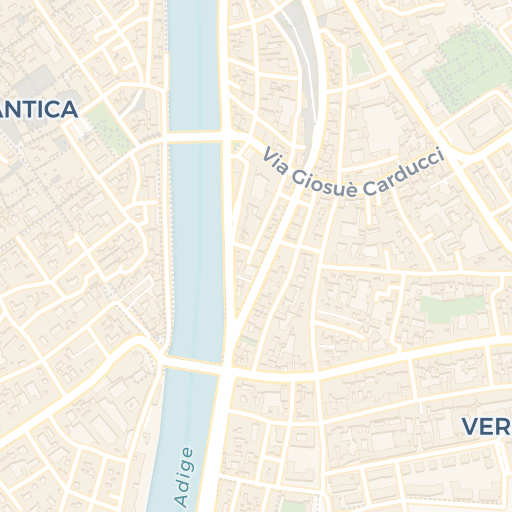
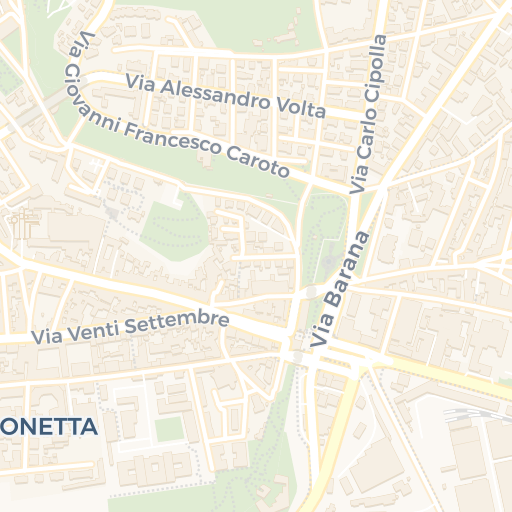
Itinéraire Ouvrir dans Apple Plans
© OpenStreetMap contributors · © CARTO · 45.4453, 10.9986
Visite responsable
Église en activité autant que monument : restez silencieux, tenez-vous à l’écart des offices et ne photographiez pas les personnes en prière.
Pas de flash. Le Pisanello est une peinture murale fragile du XVe siècle qui a déjà beaucoup perdu ; utilisez l’éclairage à pièces, qui est là précisément pour cela.
Ne touchez pas les gobbi, si tentant que ce soit. La sculpture est visiblement usée par des siècles de mains.
C’est le billet combiné des églises qui entretient ces bâtiments. L’acheter plutôt qu’une entrée simple répartit l’argent sur des églises qui reçoivent bien moins de visiteurs que celle-ci.