

Castello di Alboino
Last updated on September 8, 2026Overview
The Castello di Alboino stands on the summit above Feltre, closing the upper side of Piazza Maggiore.
What survives is essentially the towers -- a tall square keep and a smaller bell tower -- along with fragments of wall. The residential buildings are largely gone.
It is named for Alboin, the Lombard king who took northern Italy in the late sixth century, though the tradition connecting him to this specific site is much later than the events and should be read as legend.
The reason to climb up is the view: the Piave valley below and the Dolomites beyond.
Quick facts
- Type: Castle
- Local name: Castello di Alboino (vedi la pagina italiana)
- Built: Medieval, on a site fortified since antiquity
- Architectural style: Medieval
- Elevation: 400 m
- Named for a Lombard king: The castle is traditionally linked to Alboin, who invaded Italy in 568 -- an association that is legend rather than record; the standing fabric is medieval.
- Towers without a castle: The residential buildings are gone, so the site reads as a keep and a bell tower on a hilltop rather than as a fortress.
Visit responsibly
The standing fabric is unconsolidated medieval masonry in places. Do not climb on the walls or the towers outside marked access.
The summit has unguarded drops; take care, particularly with children.
Take litter out with you -- there are minimal facilities up here.
Park below the old town and walk up through Via Mezzaterra rather than driving to the top; the upper streets are narrow and residential.
Where it is
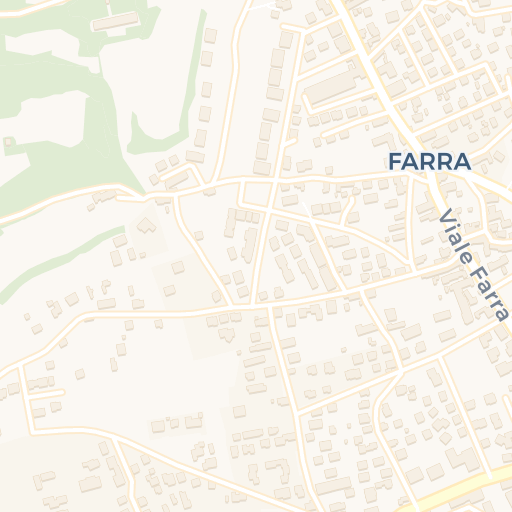
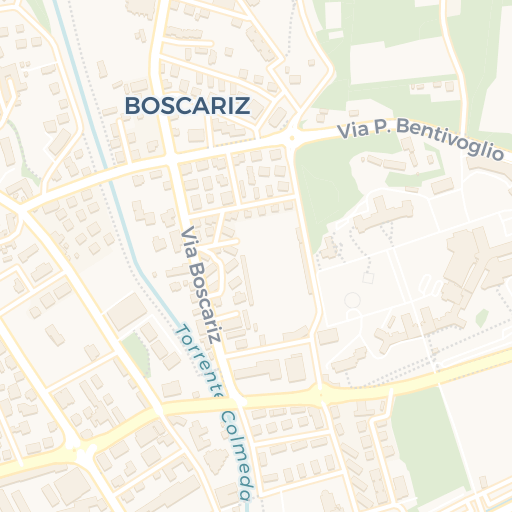
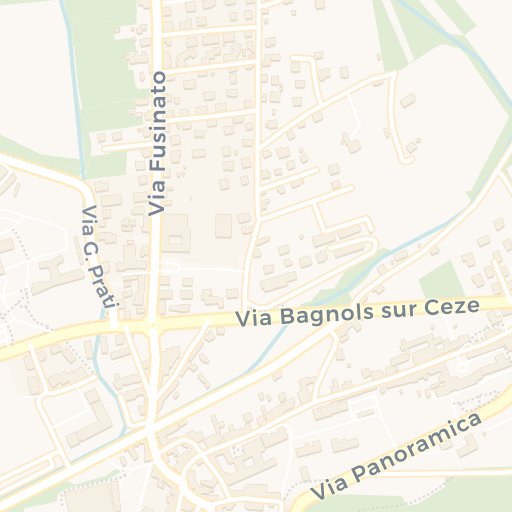
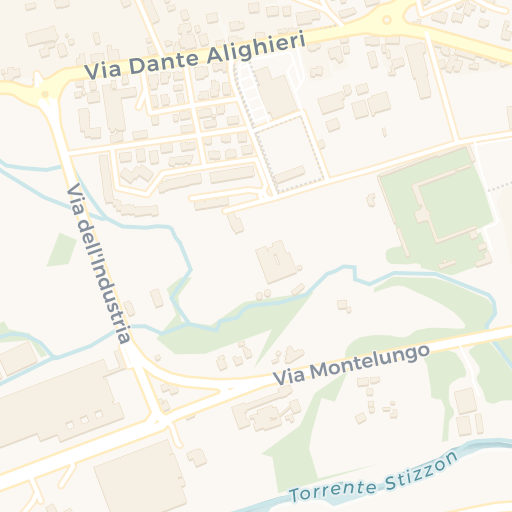
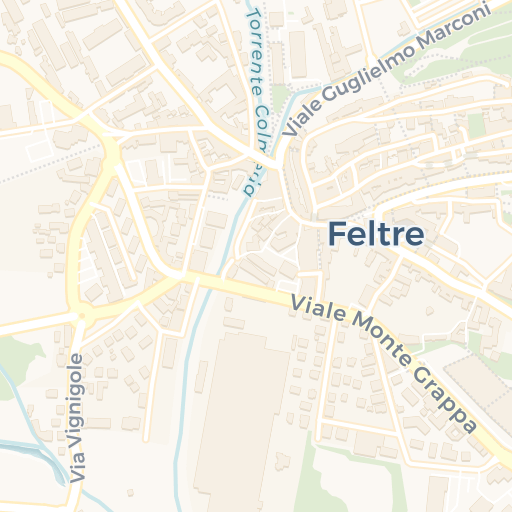
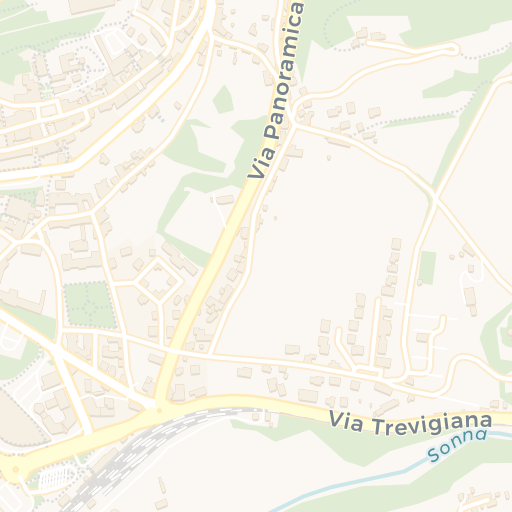
Get directions Open in Apple Maps
© OpenStreetMap contributors · © CARTO · 46.0186, 11.9067
Plan your visit
The castle grounds and viewpoint are generally freely accessible, though the towers themselves are open only intermittently -- seasonally, for events, or by arrangement. Check with the tourist office in Piazza Maggiore.
It is a five-minute climb from Piazza Maggiore, at the top of the old town.
Allow twenty to thirty minutes, mostly for the view.
The approach is steep and on uneven ground, and is not accessible to wheelchairs.
It combines naturally with Piazza Maggiore and Via Mezzaterra as a single walk through the upper town.
When to visit
Clear days are what matter -- the view is the visit, and it goes in cloud.
Late afternoon gives the best light over the town and the valley.
Winter and early spring give the sharpest air and the most snow on the Dolomites.
Early August during the Palio, when the castle and the town below are given over to the festival.