
Casa di Carlo Goldoni
Last updated on November 10, 2026The Casa di Carlo Goldoni is the house where the playwright Carlo Goldoni was born, in Palazzo Centani in San Polo. It holds a small museum devoted to him and the city's theatre studies library.
Three first-floor rooms cover his life and work through documents, furnishings and theatrical material, and a puppet theatre is part of the display — a reminder that the Venetian stage Goldoni reformed was a popular one before it was a literary one.
It is small, quiet, and sits on the €20.00 Settecento ticket with Ca' Rezzonico and Palazzo Mocenigo, which is how most people should reach it.
Challenge to visitors
It closes on Wednesdays. Venice's civic museums close on Mondays and Tuesdays; this one does not, and a visitor who has learned the pattern walks to San Polo on the wrong day. It is the single likeliest way to miss it.
It is small — three rooms on the first floor — and a coach group or a school party fills it completely. There is no second route through.
And it needs Goldoni to mean anything. If the name is unfamiliar, the house is a modest Venetian interior with display cases; if it is not, it is where the modern Italian stage starts. Ten minutes of reading beforehand changes the visit entirely.
Visiting tips and strategy
When to go
Any season — it is small, indoors and never crowded except when a group is inside, which is a matter of luck rather than month.
Not Wednesday, and not after 15:30, when the last entry closes.
Winter afternoons suit it, because the courtyard is the best part of the building and it is more atmospheric in low light than in flat summer glare.
Term time brings school parties; a museum about a playwright is a natural class trip, and three rooms do not absorb thirty children.
Getting the good version
Stop in the courtyard before you go up. The well-head carved with lion heads and the open fifteenth-century staircase are the oldest and best things here, and they are free to stand in — most visitors climb straight past them.
Forty-five minutes upstairs is the whole visit. Three rooms, documents, furnishings and the puppet theatre, which is the exhibit that makes the point: the stage Goldoni reformed was popular entertainment first.
Put it on the Settecento ticket. At €7.00 alone it is hard to justify the detour; at €20.00 with Ca' Rezzonico and Palazzo Mocenigo, over three months, it becomes the domestic third of a proper eighteenth-century day.
The Frari is three minutes away and is the obvious pairing — a vast church and a small house, which is a better afternoon than two of either.
What it costs
€7.00 full, €3.50 reduced.
€20.00 full, €10.00 reduced on the Musei del Settecento Veneziano ticket, which also covers Ca' Rezzonico and Palazzo Mocenigo, valid three months with one entry to each. Given that this museum is forty-five minutes' work on its own, that is usually the sensible purchase.
Reduced covers ages six to fourteen, students from fifteen to twenty-five, over-65s and Ministry of Culture staff. Online only the age-based reductions are available; others need the ticket desk and proof.
Free categories follow the civic museums' standard list, including a disabled visitor and their companion.
Verified against Fondazione Musei Civici di Venezia, November 2026.
Getting there and getting in
Admission: 7
Prices verified November 2026
Where it is
San Polo 2794, a few minutes from the Frari and from Campo San Polo. Vaporetto Line 1 or 2 to San Tomà from Piazzale Roma, Santa Lucia or the Lido.
Hours
10:00–16:00, last entry 15:30. Closed Wednesdays — unusual in a network where Monday and Tuesday are the normal closing days, and the single likeliest way to waste the trip.
Closing procedures begin twenty minutes before the stated time.
Tickets
€7.00 full, €3.50 reduced, or €20.00 on the Settecento ticket with two other eighteenth-century houses.
How long
Forty-five minutes. Pair it with the Frari, which is three minutes away, or with Ca' Rezzonico on the same ticket.
Verified against Fondazione Musei Civici di Venezia, November 2026.
Place accessibility
A lift was installed for disabled visitors during the restoration completed in the 1990s, together with a new stair core, and the operator lists a lift among the museum's current services.
A disabled visitor and their companion are admitted free.
The courtyard is the part to ask about. The house is entered through a small open court with a historic stone floor and a fifteenth-century open staircase, and the museum proper is on the first floor — so the route in is not a straight level run even with a lift in the building.
Not published, and not guessed: whether the lift reaches from the courtyard level or only between upper floors, and whether the approach from the calle has a step. The civic museums answer at prenotazionivenezia@coopculture.it.
Quick facts
- Type: Museum, Palace, Historic Place
- Local name: Casa di Carlo Goldoni (vedi la pagina italiana)
- Admission: 7
Where it is
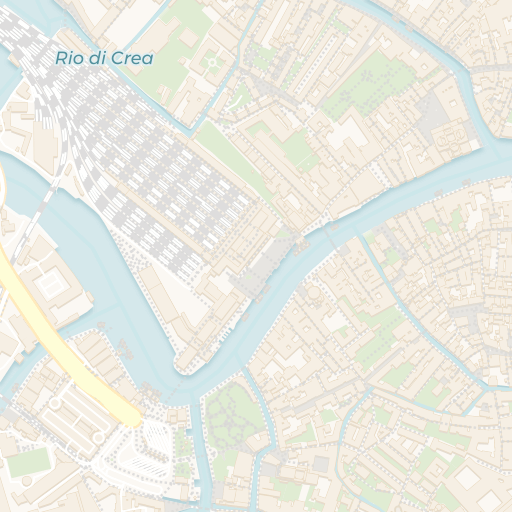
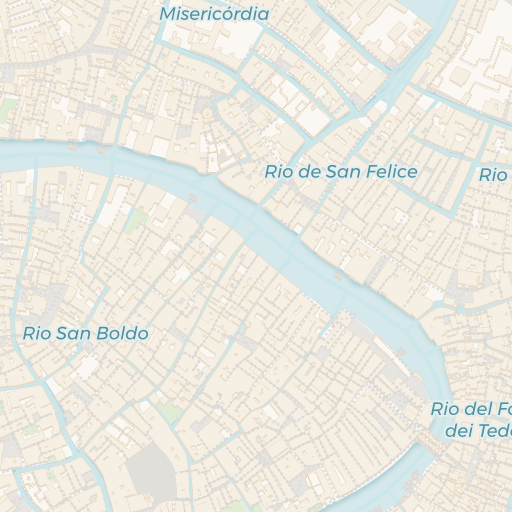
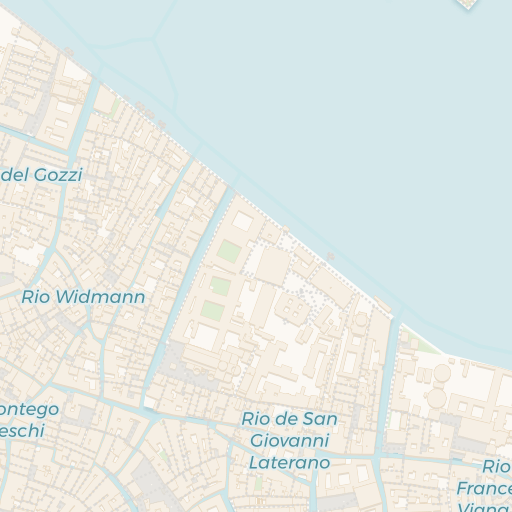
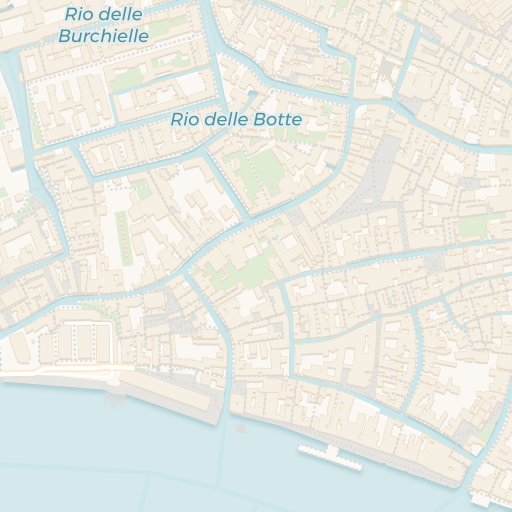
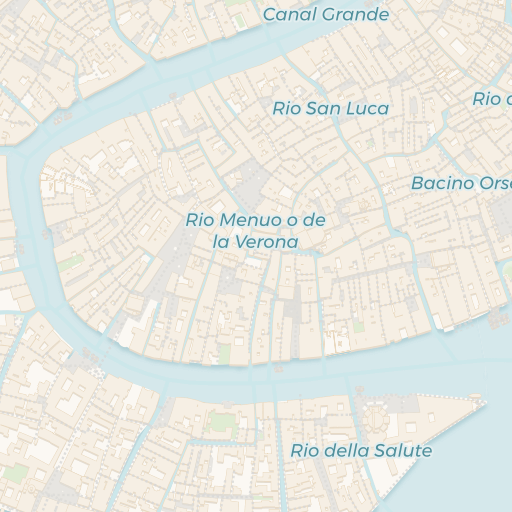
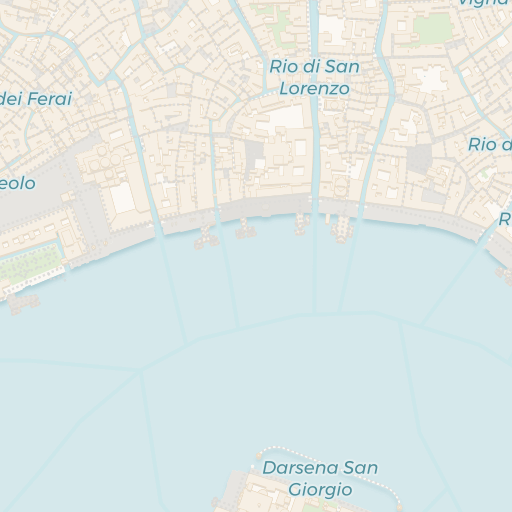
Get directions Open in Apple Maps
© OpenStreetMap contributors · © CARTO · 45.43615, 12.32826
Visit responsibly
There is a working research library above you. The city's theatre studies collection occupies the second floor, and it is used — the quiet in the stairwell is somebody's reading room, not museum solemnity.
The courtyard is historic stone and open to the weather. The well-head and the fifteenth-century staircase are structural survivals rather than displays, which means no climbing on the steps for a photograph of the court.
Three rooms set the etiquette. A group standing in the doorway stops the only circulation there is; wait to be through rather than pausing in it.
The admission is what keeps a birthplace a museum. This house was bought by public subscription in 1914 and given to the city in 1931 precisely so that it would not become something else, which in San Polo today would mean apartments.