

Palazzo Mocenigo
Last updated on September 23, 2026Overview
Palazzo Mocenigo is a Venetian patrician palace turned museum of textiles, costume, and perfume -- one of the very few places in Venice where you can walk through richly furnished 18th-century noble rooms exactly as they were lived in, rather than as a gallery of paintings on bare walls.
Quick facts
- Type: Palace, Museum
- Local name: Palazzo Mocenigo (vedi la pagina italiana)
- Visitor access: Open to visitors
- Built: Gothic origins; rebuilt early 17th century; ceiling frescoes 1787; renovated 2013
- Built by: the Mocenigo family (San Stae branch)
- Designed by: ceiling frescoes by Jacopo Guarana, Giambattista Canal, and Giovanni Scajaro
- Architectural style: Venetian Gothic origins with 17th-century, Rococo, and Neoclassical additions
Visit responsibly
The 18th-century textiles here are among the most fragile objects on public display anywhere in Venice. Flash photography is prohibited and the rule is not a formality -- light is the specific agent that destroys dyed silk, and once it has gone it does not come back.
Do not touch the fabrics or sit on the furniture. The rooms are dressed to look lived-in rather than roped off into a gallery, which makes them unusually easy to treat casually and unusually easy to damage.
Entry is through the Fondazione Musei Civici, and a ticket here supports a much less visited institution than the same money spent at the Doge's Palace. Santa Croce sees very little visitor spending, and this museum is one of the few places to direct any of it.
The perfume section works partly by smell, with samples to try. It is genuinely worth doing, and worth doing sparingly -- the room is small and heavy fragrance lingers for the people who come in after.
Where it is
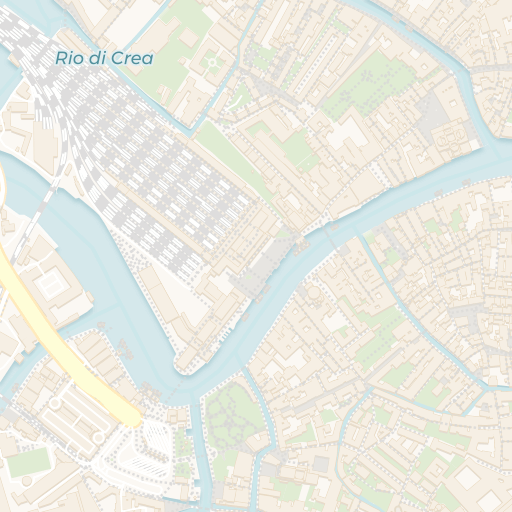
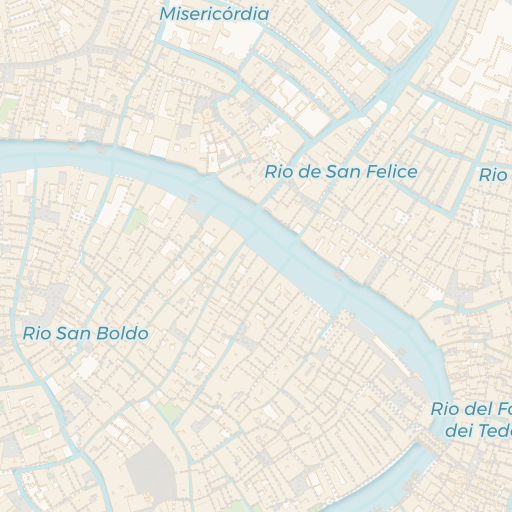
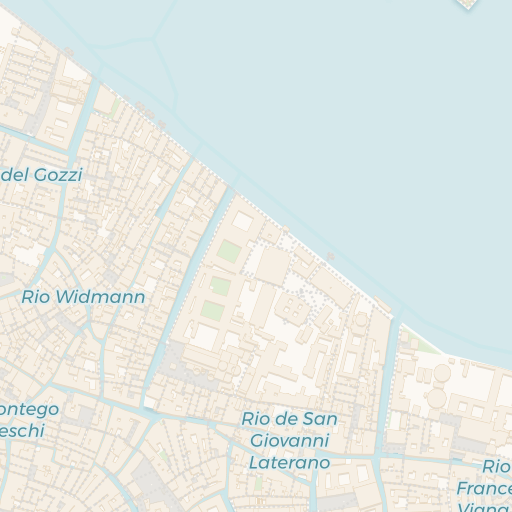
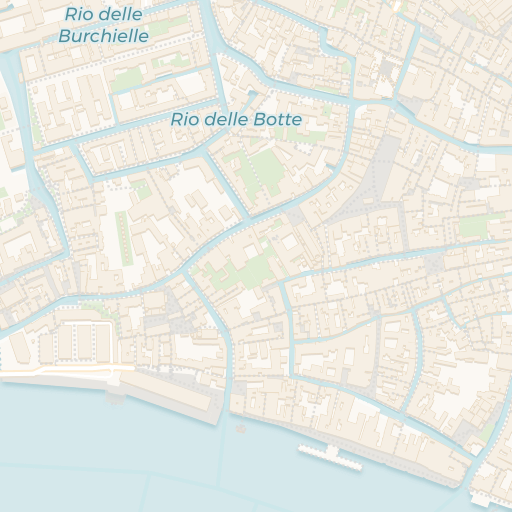
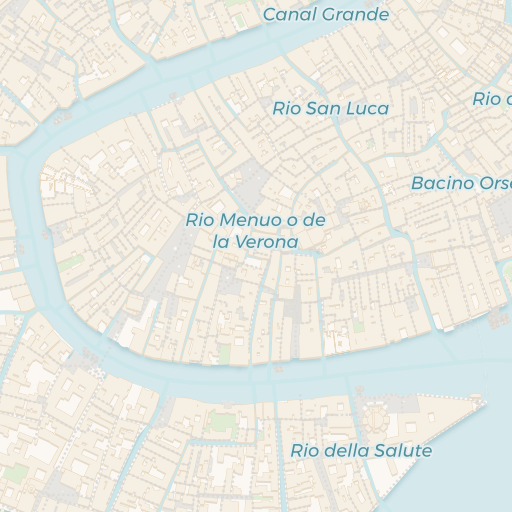
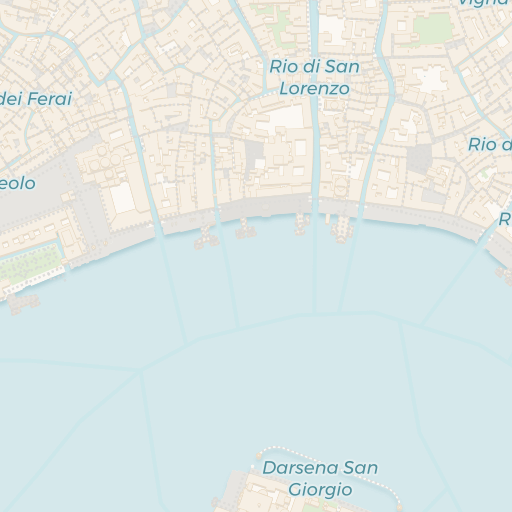
Get directions Open in Apple Maps
© OpenStreetMap contributors · © CARTO · 45.44068, 12.33001
Plan your visit
Palazzo Mocenigo sits in Santa Croce, a short walk from the San Stae vaporetto stop and the Rialto area. It's part of the Venice Civic Museums network, with an admission fee covering entry, and typically draws far smaller crowds than the Doge's Palace or the Accademia.
What is free
Little, honestly: this is a palazzo interior, and the interior is the exhibit. The exterior and the campo cost nothing but tell you almost nothing about what is inside.
Entry is free for Venetian citizens and residents, children under 6, a disabled visitor with a helper, ICOM members, guides on duty and up to two teachers per school group.
The ticket begins at the door and covers the whole piano nobile — the furnished rooms, the textile and costume collection, and the perfume rooms.
When to visit
Textiles and costume cannot take strong light, so these rooms are kept deliberately dim and the lighting is controlled year-round. Unlike most Venetian interiors, the time of day makes almost no difference to what can be seen -- which removes the usual reason to plan around the weather.
It is part of the civic museums network and normally closed one day a week, typically Monday, with shorter winter hours. Worth confirming, since Santa Croce is not on the way to anywhere.
The museum is quiet in every season. Twenty furnished rooms and six perfume halls absorb visitors easily, and it is common to move through the whole sequence without waiting at any point -- which suits a collection that rewards close looking at fabric and stitching.
Allow more time than the size suggests. The perfume wing, with its instruments, documents and bottles, takes as long again as the costume rooms for anyone who engages with it.