

Corte Sgarzerie Cryptoporticus
Last updated on November 9, 2026A minute from Piazza delle Erbe, under a small courtyard most people walk past, runs a vaulted Roman gallery of the first century BC.
It is a cryptoporticus -- a half-buried arcade whose job was structural. Verona's forum stood on sloping ground, and this gallery was built to carry and level the terrace on which the Capitolium, the temple of Jupiter, Juno and Minerva, was raised.
The courtyard above is called Corte Sgarzerie after the wool trade that worked there for centuries, and the loggia over the entrance is named for the mangano, the press that finished the cloth.
Challenge to visitors
Access is limited and irregular. The gallery is not on daily hours: it is unlocked for guided visits, heritage days and occasional events, and arriving to find it shut is the common experience rather than the unlucky one. The space itself is enclosed, low and artificially lit, reached by steps with uneven footing — it is not accessible, and it is not for anyone uncomfortable underground.
Visiting tips and strategy
When to go
Whenever it is open -- that is genuinely the constraint here, and it is worth building a visit around an announced opening rather than hoping.
Heritage weekends in spring and autumn are the most reliable occasions, when Verona opens sites that are otherwise closed.
Summer has the practical appeal of being underground and cool while the city above is severe.
The courtyard can be seen at any hour, in any season.
Getting the good version
Ring ahead or check the municipal archaeology programme, and treat an announced opening as the thing you build the visit around. The gallery is unlocked for guided visits, heritage days and occasional events, not on daily hours, and turning up to find it shut is the common experience.
Go into the courtyard above even if the gallery below is closed — it is public, always open, and the loggia is worth the two minutes on its own. If you do get down, the thing to understand is that this is not a cellar: it is the retaining structure that held up the terrace the Capitolium stood on. Steps, uneven footing, low light; wear something sensible.
What it costs
Nothing, at the weekend. The association that runs the site opens it every Saturday and Sunday from 09:00 to 13:00 with free admission — this is ordinary scheduled opening, not an occasional event, which is worth saying because this site has a reputation for being shut.
A guided visit costs €8 per person as a contribution to the association. Accompanied children under seven go free and those aged seven to fourteen pay €5; over-65s and university groups pay the same reduced rate. Groups of more than ten are asked to arrange it by email rather than arrive.
Book even though it is free. The operator warns that capacity is very limited and strongly advises reserving a place at archeonaute@gmail.com. A free site with a small footprint can fill, and there is no second room to wait in.
Outside the weekend it opens on request. The association will arrange opening and a guided visit on other weekdays for individuals or small groups, given several days' notice by email, and says it accommodates what it can.
Verified against Archeonaute, November 2026.
Getting there and getting in
Admission: Free
It opens every weekend, which is not this site's reputation. The association that runs it opens the archaeological area Saturday and Sunday, 09:00–13:00, free. On other weekdays it will open on request for individuals or small groups, with a few days' notice by email.
Book anyway. Capacity is very limited and the operator advises reserving at archeonaute@gmail.com. A guided visit is €8 per person; €5 for ages seven to fourteen and for over-65s and university groups; free for accompanied children under seven.
The entrance is at Corte Sgarzerie 8p, a minute from Piazza delle Erbe off Via Pellicciai. The courtyard above is public and always open, and worth two minutes for the loggia even when the gallery below is not.
Allow half an hour for the area itself, or an hour with the guided visit — the guide is what turns a vaulted undercroft into the north side of Verona's forum, and without it the structure is hard to read.
Place accessibility
Nobody publishes how you get down there, and that is the honest answer. This is a half-buried Roman gallery entered from a courtyard, and the association that opens it describes the address, the hours and the booking address but not the route in. Its page carries a heading reading "Accessibilità e servizi", which looks like an accessibility statement and is not — everything underneath it is opening information.
What is known is the shape of the place. The archaeological area sits below the courtyard at Corte Sgarzerie 8p, and the operator warns that its capacity is very limited — a confined underground space with one way in and out, which is worth weighing if confined spaces or crowding are a problem.
Not published, and not guessed: whether the descent is by stair, ramp or lift, what the surface is underfoot, and whether a wheelchair can be accommodated at all. The association answers at archeonaute@gmail.com and arranges openings by email anyway, so the access question and the booking are one message.
The courtyard above is public, open at all hours and level, and its loggia is worth the two minutes on its own even when the gallery below is shut.
Quick facts
- Type: Historic Place
- Local name: Criptoportico di Corte Sgarzerie (vedi la pagina italiana)
- Admission: Free
- Reservation: Not required — tickets on the door
- Typical visit: About 25 minutes
- Built: 1st century BC
- Built for: levelling the terrace of the Capitolium
- Architectural style: Roman
- A foundation that outlived its temple: The Capitolium above is entirely gone, quarried and built over. Its substructure survived precisely because it was underground and still useful.
- Named after finishing cloth: Sgarzerie comes from garzare, raising the nap on wool with teasels; the Loggia del Mangano above is named for the press that finished it. A medieval wool yard sits on a Roman temple platform.
- UNESCO World Heritage Site: Yes
Where it is
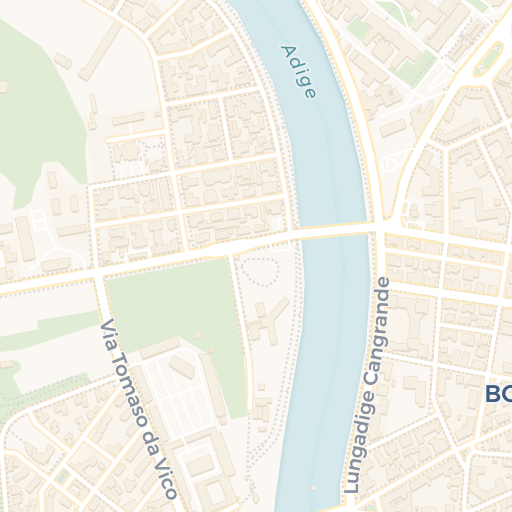
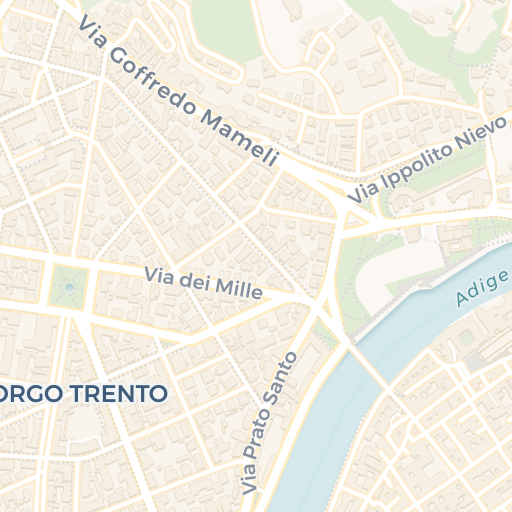
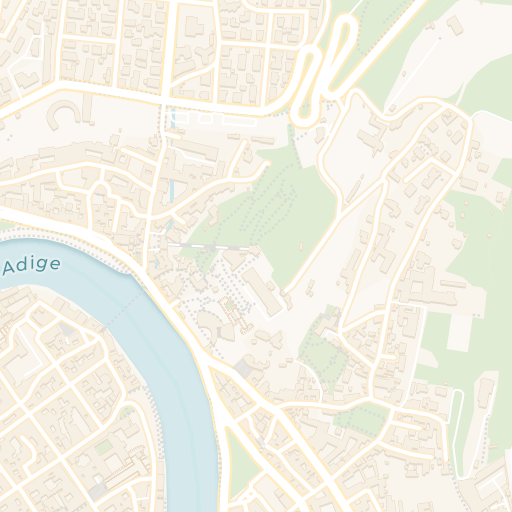
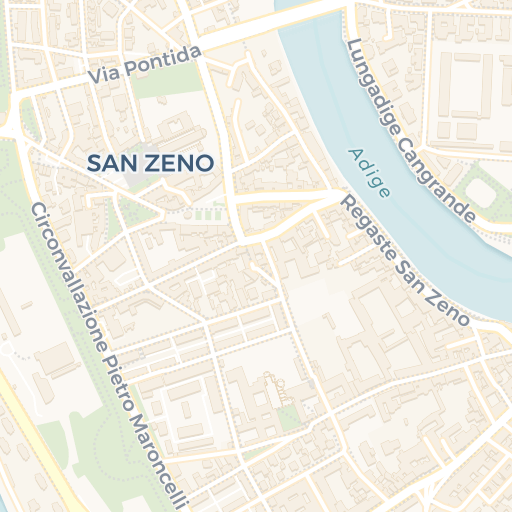
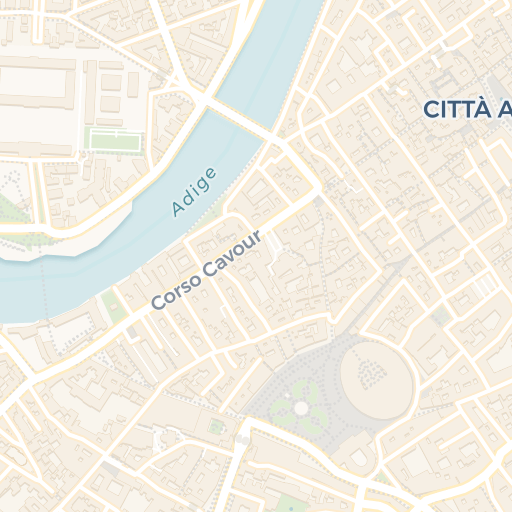
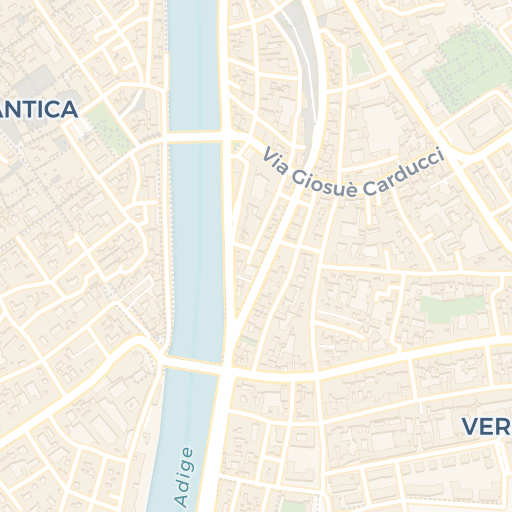
Get directions Open in Apple Maps
© OpenStreetMap contributors · © CARTO · 45.4428, 10.9964
Visit responsibly
This is a small, lightly managed archaeological site rather than a staffed museum. When it is open, it is usually because volunteers or municipal archaeologists have opened it -- stay with the group and follow what you are asked.
Do not touch the vaults or piers. Roman brick and mortar in a damp underground space is more fragile than it looks.
No flash where asked, and keep to the marked footing; the floor is uneven and partly original.
The courtyard above is surrounded by homes and businesses. Keep noise down, particularly in a group.
Turning up for the announced openings is what demonstrates demand for a site like this staying accessible at all.