

Kryptoportikus der Corte Sgarzerie
Zuletzt aktualisiert am 9. November 2026Eine Minute von der Piazza delle Erbe, unter einem kleinen Hof, an dem die meisten vorbeigehen, verläuft ein gewölbter römischer Gang des 1. Jahrhunderts v. Chr.
Er ist ein Kryptoportikus — eine halb eingegrabene Arkade, deren Aufgabe konstruktiv war. Das Forum von Verona lag auf abschüssigem Gelände, und dieser Gang wurde gebaut, um die Terrasse zu tragen und zu nivellieren, auf der das Kapitol stand, der Tempel von Jupiter, Juno und Minerva.
Der Hof darüber heißt Corte Sgarzerie, nach dem Wollhandel, der dort jahrhundertelang arbeitete, und die Loggia über dem Eingang ist nach dem mangano benannt, der Presse, die das Tuch fertigstellte.
Der Zugang ist unregelmäßig, und das ist das Wichtigste zu wissen.
Die Herausforderung für Besucher
Access is limited and irregular. The gallery is not on daily hours: it is unlocked for guided visits, heritage days and occasional events, and arriving to find it shut is the common experience rather than the unlucky one. The space itself is enclosed, low and artificially lit, reached by steps with uneven footing — it is not accessible, and it is not for anyone uncomfortable underground.
Tipps und Strategie für den Besuch
Der richtige Zeitpunkt
Whenever it is open -- that is genuinely the constraint here, and it is worth building a visit around an announced opening rather than hoping.
Heritage weekends in spring and autumn are the most reliable occasions, when Verona opens sites that are otherwise closed.
Summer has the practical appeal of being underground and cool while the city above is severe.
The courtyard can be seen at any hour, in any season.
So gelingt der Besuch
Ring ahead or check the municipal archaeology programme, and treat an announced opening as the thing you build the visit around. The gallery is unlocked for guided visits, heritage days and occasional events, not on daily hours, and turning up to find it shut is the common experience.
Go into the courtyard above even if the gallery below is closed — it is public, always open, and the loggia is worth the two minutes on its own. If you do get down, the thing to understand is that this is not a cellar: it is the retaining structure that held up the terrace the Capitolium stood on. Steps, uneven footing, low light; wear something sensible.
Was es kostet
Nothing, at the weekend. The association that runs the site opens it every Saturday and Sunday from 09:00 to 13:00 with free admission — this is ordinary scheduled opening, not an occasional event, which is worth saying because this site has a reputation for being shut.
A guided visit costs €8 per person as a contribution to the association. Accompanied children under seven go free and those aged seven to fourteen pay €5; over-65s and university groups pay the same reduced rate. Groups of more than ten are asked to arrange it by email rather than arrive.
Book even though it is free. The operator warns that capacity is very limited and strongly advises reserving a place at archeonaute@gmail.com. A free site with a small footprint can fill, and there is no second room to wait in.
Outside the weekend it opens on request. The association will arrange opening and a guided visit on other weekdays for individuals or small groups, given several days' notice by email, and says it accommodates what it can.
Geprüft bei Archeonaute, November 2026.
Anreise und Einlass
Eintritt: Kostenlos
Der Zugang ist begrenzt und unregelmäßig. Die Anlage ist nicht zu täglichen Museumszeiten geöffnet; sie wird für Führungen, Denkmaltage und gelegentliche Veranstaltungen aufgeschlossen.
Fragen Sie bei der Tourismusinformation Veronas oder beim städtischen Archäologieprogramm nach, bevor Sie eigens hinfahren. Anzukommen und geschlossen vorzufinden ist die übliche Erfahrung.
Der Hof darüber ist öffentlich und immer offen und schon für sich zwei Minuten wert, der Loggia wegen, auch wenn der Gang darunter nicht zugänglich ist.
Es ist eine Gehminute von der Piazza delle Erbe, von der Via Pellicciai aus.
Planen Sie dreißig Minuten ein, wenn eine Führung läuft.
Der Gang liegt unter der Erde und wird über Stufen erreicht, mit unebenem Untergrund und wenig Licht. Er ist nicht barrierefrei, und festes Schuhwerk hilft.
Barrierefreiheit vor Ort
Nobody publishes how you get down there, and that is the honest answer. This is a half-buried Roman gallery entered from a courtyard, and the association that opens it describes the address, the hours and the booking address but not the route in. Its page carries a heading reading "Accessibilità e servizi", which looks like an accessibility statement and is not — everything underneath it is opening information.
What is known is the shape of the place. The archaeological area sits below the courtyard at Corte Sgarzerie 8p, and the operator warns that its capacity is very limited — a confined underground space with one way in and out, which is worth weighing if confined spaces or crowding are a problem.
Not published, and not guessed: whether the descent is by stair, ramp or lift, what the surface is underfoot, and whether a wheelchair can be accommodated at all. The association answers at archeonaute@gmail.com and arranges openings by email anyway, so the access question and the booking are one message.
The courtyard above is public, open at all hours and level, and its loggia is worth the two minutes on its own even when the gallery below is shut.
Kurzinfo
- Typ: Historischer Ort
- Eintritt: Kostenlos
- Reservierung: Nicht erforderlich — Tickets vor Ort
- Typischer Besuch: Etwa 25 Minuten
- Erbaut: 1st century BC
- Erbaut für: levelling the terrace of the Capitolium
- Baustil: Römisch
- A foundation that outlived its temple: The Capitolium above is entirely gone, quarried and built over. Its substructure survived precisely because it was underground and still useful.
- Named after finishing cloth: Sgarzerie comes from garzare, raising the nap on wool with teasels; the Loggia del Mangano above is named for the press that finished it. A medieval wool yard sits on a Roman temple platform.
- UNESCO-Weltkulturerbe: Ja
Wo es liegt
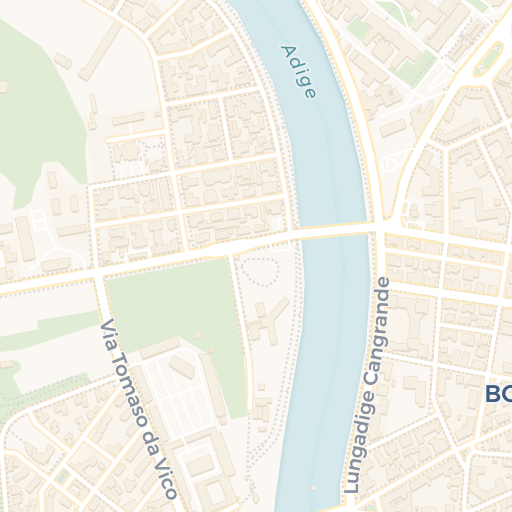
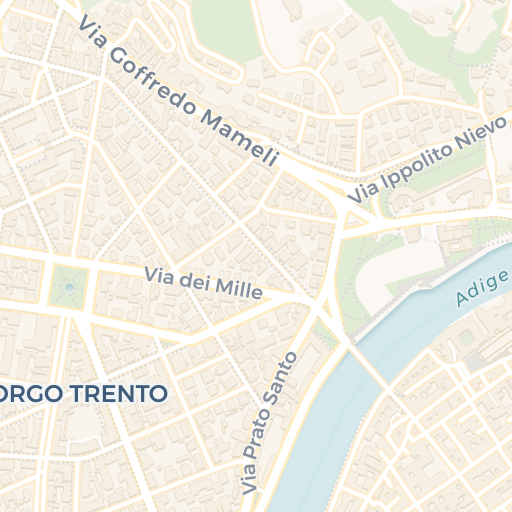
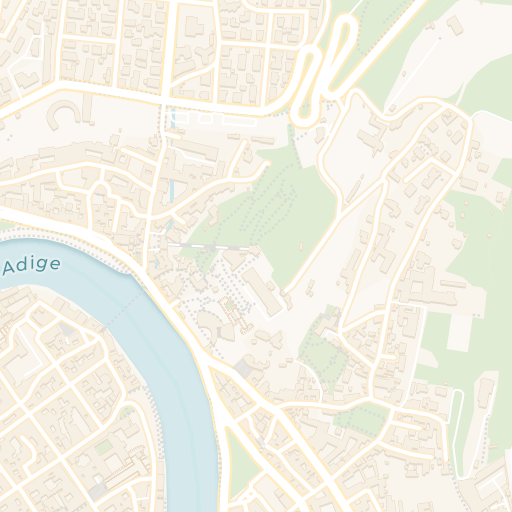
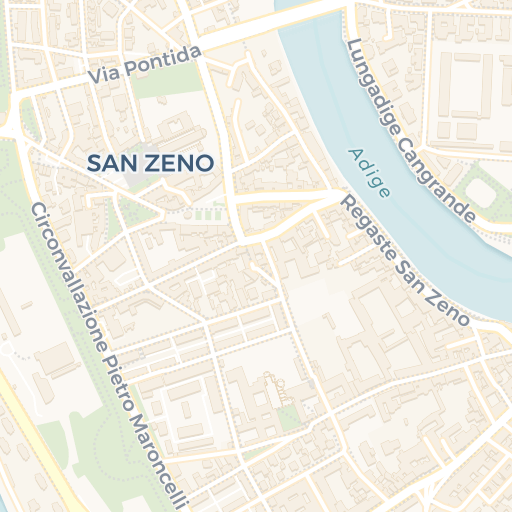
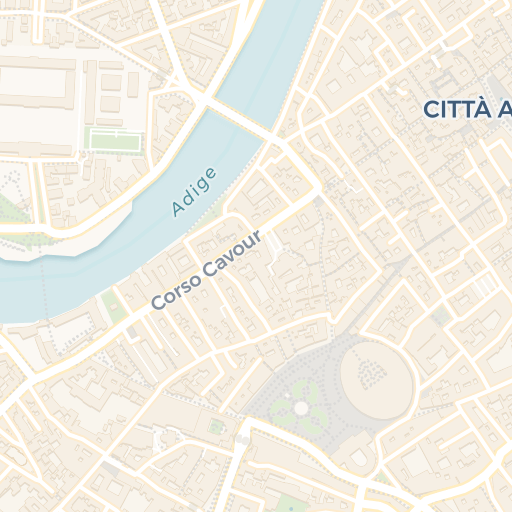
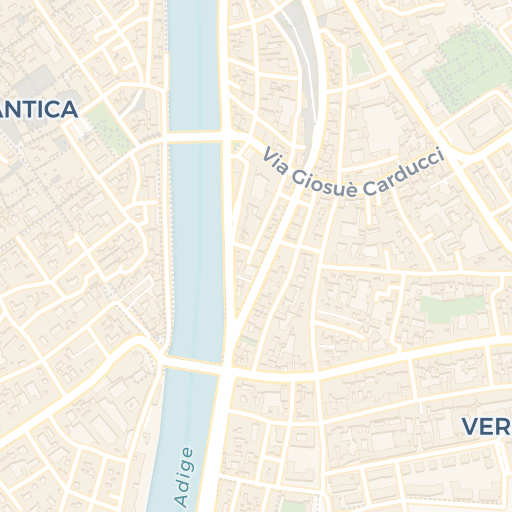
Route planen In Apple Karten öffnen
© OpenStreetMap contributors · © CARTO · 45.4428, 10.9964
Verantwortungsvoll besuchen
Dies ist eine kleine, leicht betreute archäologische Stätte und kein Museum mit Personal. Wenn sie offen ist, dann meist, weil Freiwillige oder städtische Archäologen sie geöffnet haben — bleiben Sie bei der Gruppe und folgen Sie dem, worum man Sie bittet.
Berühren Sie die Gewölbe und Pfeiler nicht. Römischer Backstein und Mörtel in einem feuchten Untergrundraum sind empfindlicher, als sie aussehen.
Kein Blitz, wo darum gebeten wird, und bleiben Sie auf dem markierten Weg; der Boden ist uneben und teilweise original.
Der Hof darüber ist von Wohnungen und Betrieben umgeben. Halten Sie den Lärm gering, besonders in einer Gruppe.
Zu den angekündigten Öffnungen zu erscheinen ist das, was Nachfrage dafür zeigt, dass ein Ort wie dieser überhaupt zugänglich bleibt.