

Castello di Barolo
Last updated on October 14, 2026Why visit Castello di Barolo
Because the family that gave the wine its name lived here, and the building now explains the wine from the top floor down to the cellar where you drink it.
The castle stands over the village square. Inside it is the WiMu, the wine museum laid out in twenty-five rooms by the Swiss designer François Confino, and the route runs downwards — you start at the top with the vine and finish in the old cellars, which hold the Enoteca Regionale del Barolo. One ticket, €9, covers the building and the museum together; there is no separate castle visit.
The friction is that this is a working village of a few hundred people on a ridge with no railway. You need a car or a driver, and in October, during the truffle season, the square below fills up. Go at opening, 10:30, and you will have the piano nobile to yourself; the coaches arrive late morning.
The tactic for the rest of the day: the castle in the morning, then La Morra ten minutes away for the terrace that shows you the whole amphitheatre of vineyards you have just been reading about.
Quick facts
- Type: Castle, Museum, Historic Place
- Local name: Castello di Barolo (vedi la pagina italiana)
- Built: 10th-century origin, of which only the keep survives; first recorded in the 13th century
- Architectural style: Medieval, remodelled in the 16th century
Visit responsibly
The village owns this building. It was bought in 1970 by public subscription, by people who lived here. The €9 is not going to a private operator, and the council still sits in the Sala degli stemmi — if a room is shut on the day, that is why.
The vineyards are not a park. The Langhe were inscribed by UNESCO on 22 June 2014, and the Langa of Barolo is one of the three inscribed components — a working agricultural landscape, not a scenic one. The rows around the village are owned, worked and harvested; walk the lanes, not the rows.
Buy where you taste. The Enoteca Regionale del Barolo in the cellars pours across many producers of the appellation, which is the fairest way to meet growers too small to have a visitor room of their own.
Barolo is a village of a few hundred people. The cellars that are not the enoteca are working businesses and generally need an appointment; turning up unannounced is not how it is done here.
Where it is
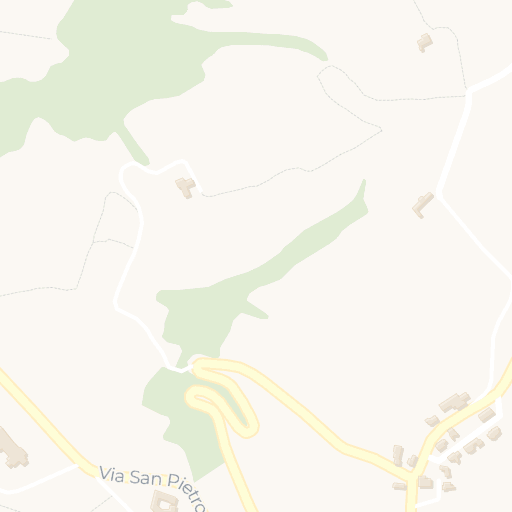
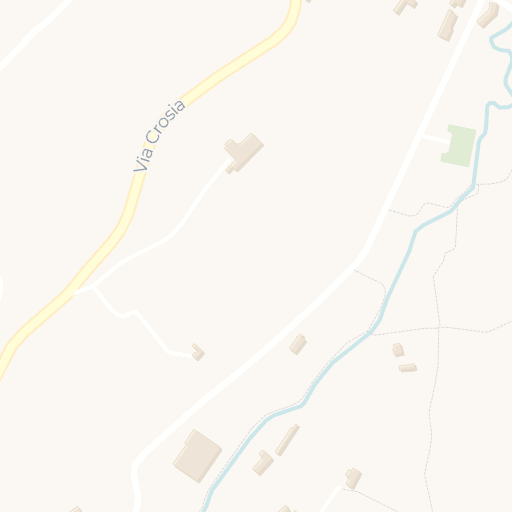
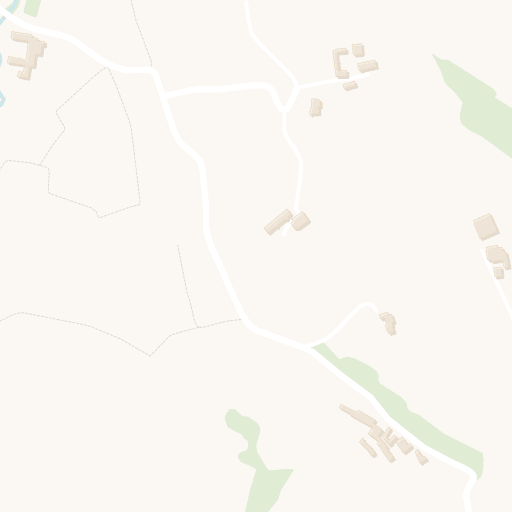
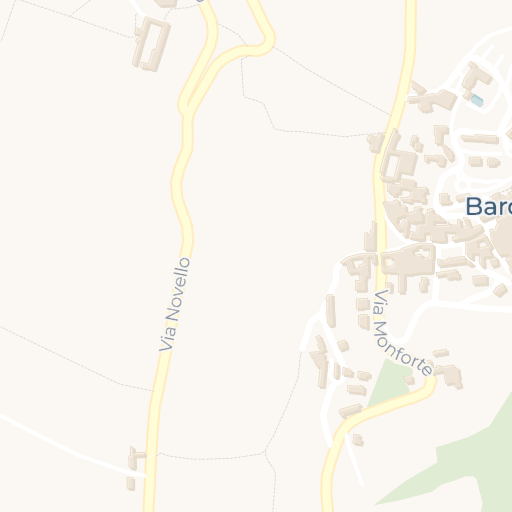
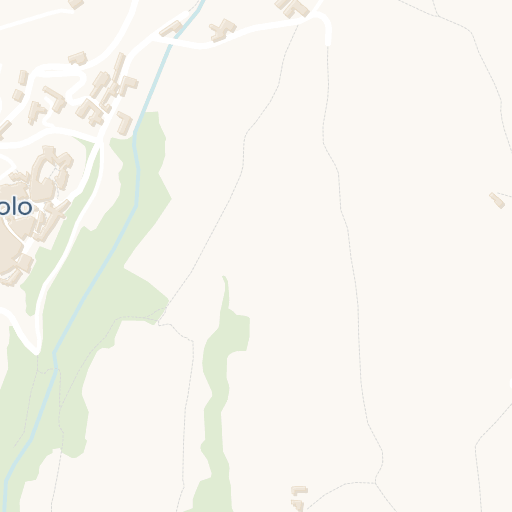
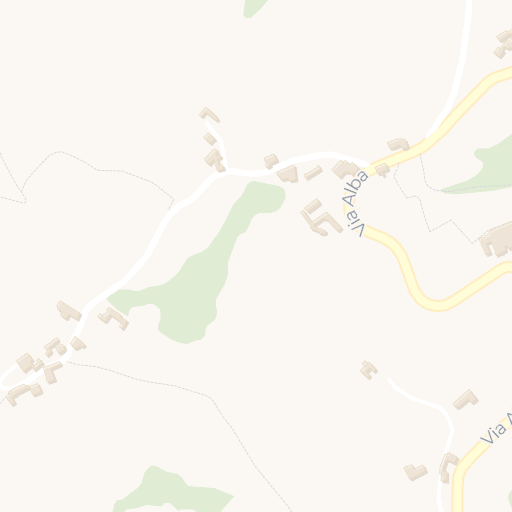
Get directions Open in Apple Maps
© OpenStreetMap contributors · © CARTO · 44.6113, 7.9439
Plan your visit
Where. Castello Comunale Falletti di Barolo, Piazza Falletti 1, 12060 Barolo (CN). It is the building above the village square; you cannot miss it.
Hours. The WiMu is open 10:30 to 19:00, last admission 18:00. The operator does not publish a weekly closing day on its visit page.
Tickets. Full €9. Over-65s €7. Children 6–14: €1 for the first child accompanied by a full-paying adult, €3 from the second child on. Schools €3. Groups of 12 or more €6, on reservation.
Free: children up to 5, disabled visitors, and holders of the Abbonamento Musei Piemonte or Torino+Piemonte card.
Combined tickets. A €24 comprehensive ticket covers four castles and three museums. A €10 combination adds the museums of the castle of Magliano Alfieri, at weekends and on public holidays, to WiMu admission on any day.
Contact. Tel. +39 0173 386697, info@wimubarolo.it.
Allow an hour and a half. Twenty-five rooms is more than it sounds, and the cellars are the point rather than the exit.
Verified against WiMu -- Museo del Vino a Barolo, October 2026.
When to visit
The WiMu opens at 10:30, and that is the hour to take. Admission closes at 18:00 for a 19:00 close, so a late afternoon arrival leaves too little for its twenty-five rooms.
Autumn is the crowded season and the best one. The white truffle brings the Langhe their heaviest visitor months, and Barolo is a village square that fills quickly. The castle itself absorbs people better than the square does.
Harvest turns every road here into working traffic. The vineyards around the village are the inscribed landscape, and in September and October they are a farm, not a view.
Winter is the Langhe at their emptiest, and fog is characteristic rather than exceptional. The castle is an indoor visit and is unaffected; the terrace views from the ridge above are not.
The operator publishes no weekly closing day, but it does publish a telephone number — +39 0173 386697. For a single-day trip in deep winter, use it.