

Sant'Andrea al Quirinale
Last updated on October 5, 2026Why visit Sant'Andrea al Quirinale
The draw
This is the building Bernini liked best, and he said so. Turismo Roma records that he considered it his finest work for the balance of architecture, sculpture and painting; the reference work adds that his son Domenico remembered him, in old age, sitting inside it for hours. He received the commission in 1658 from Cardinal Camillo Pamphilj with the approval of Pope Alexander VII, and the church was up by 1661.
The single fact that explains the room: the plan is an oval entered on its short axis, so the altar is directly opposite the door and the space opens sideways rather than running away from you. Above it, Antonio Raggi's white stucco Saint Andrew rises off the pediment toward a gilded dome full of climbing figures.
The friction
Nobody will promise you it is open. Turismo Roma publishes no timetable in either language and says to ring the church. The Jesuit community's own site gives Tuesday to Sunday, 09.00-12.00 and 15.00-18.00, closed Mondays — real hours on a page that also carries temporary closures, so check it the week you go. It is also small: twenty minutes of looking, not an afternoon.
The tactic
Come in the morning and cross the road afterwards. Borromini's San Carlo alle Quattro Fontane is at number 23 and this is number 30 — a two-minute walk between the two greatest rivals of the Roman Baroque, built within twenty years of each other on the same street. Seeing one without the other wastes the trip up the hill. Stand just inside the door before you move: that is where the oval explains itself.
Skip it if you:
- Are here on a Monday. Closed, and so is much else on the Quirinal.
- Arrive between noon and three. The midday break is three hours long.
- Want scale. The whole church is smaller than one chapel in St Peter's. That is the point, and it is not for everyone.
- Will not look up. The dome is the building. Reading the altarpiece and leaving misses it entirely.
Quick facts
- Type: Church, Sacred Place, Historic Place
- Local name: Sant'Andrea al Quirinale (vedi la pagina italiana)
- Visitor access: Open to visitors
- Admission: Free
- Reservation: Not required — tickets on the door
- Typical visit: About 30 minutes
- Built: Commissioned <time datetime="1658">1658</time>, built by <time datetime="1661">1661</time>, decoration finished <time datetime="1670">1670</time>
- Built for: The church of the Jesuit novitiate on the Quirinal
- Architectural style: Roman Baroque by Gian Lorenzo Bernini: an oval plan entered on its short axis
- Bernini's own favourite: His son Domenico recalled him sitting inside for hours in old age, appreciating what he had achieved.
- You enter across the width: The door is on the oval's short axis, so the altar faces you and the room spreads sideways.
Visit responsibly
It is a Jesuit church with a resident community, not a museum with a timetable. The hours exist because somebody publishes them as a courtesy; the Monday closure and the midday break are the community's day, not an inconvenience aimed at you.
Nothing is ticketed, so nothing you pay maintains a gilded seventeenth-century interior. An offering is the right instinct where there is no admission.
The stucco is at hand height in the chapels. Raggi's figures are plaster, not marble, and far more fragile than they look. Keep bags off the chapel rails.
Keep your voice down and your phone silent. The room is twenty paces across with a hard dome over it; a conversation at the door is audible at the altar.
Where it is
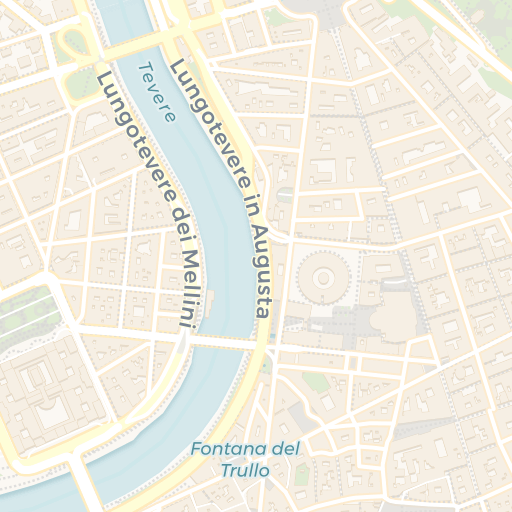
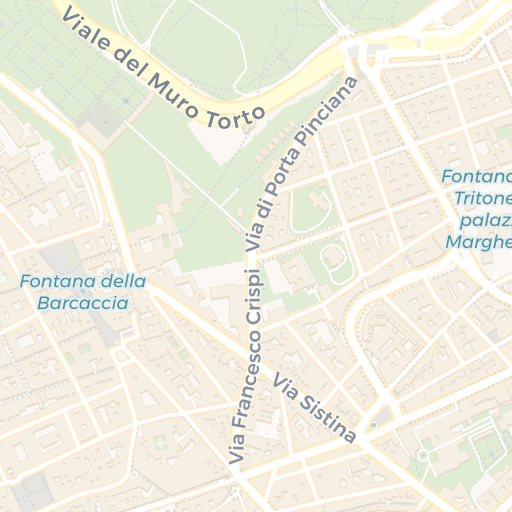
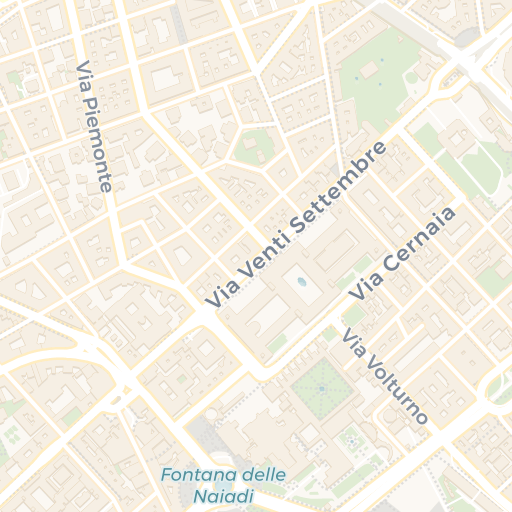
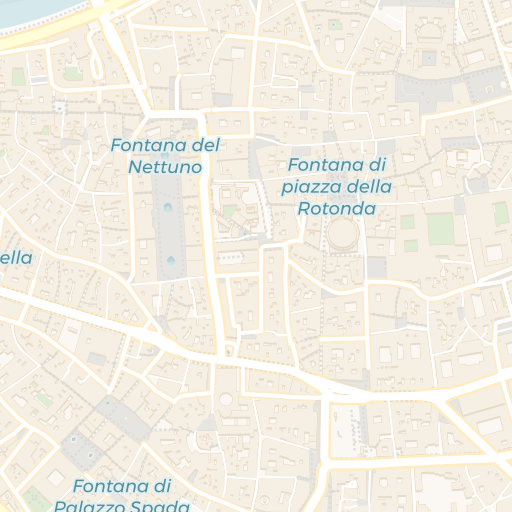
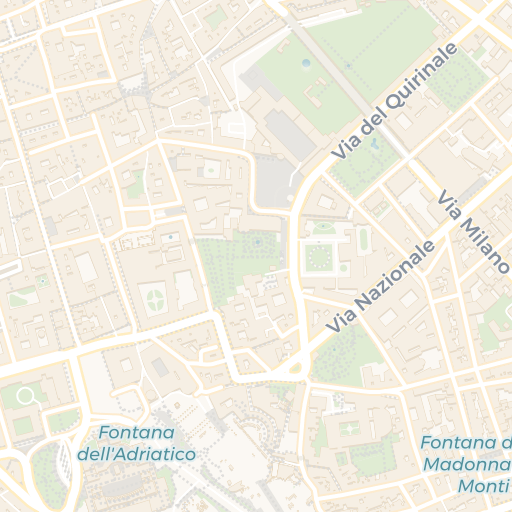
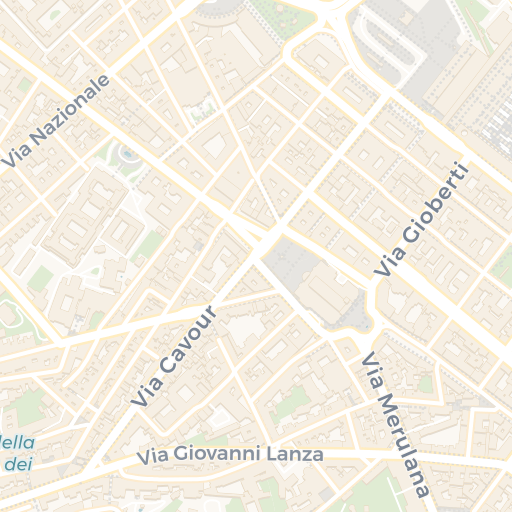
Get directions Open in Apple Maps
© OpenStreetMap contributors · © CARTO · 41.8995, 12.4893
Plan your visit
Admission: Free · NO ADMISSION PRICE IS PUBLISHED by the Jesuit community or by Turismo Roma. This is a working church, not a ticketed monument.
Prices verified October 2026
Best viewpoint: Standing just inside the door, on the short axis. The altar is directly in front of you and the oval opens to left and right — the one spot where the plan explains itself.
No timetable is published that anyone can hold you to
Turismo Roma gives no hours for this church in either language, saying only to contact the church for Mass times and visiting arrangements. That is the citable position, and it is the one to plan around.
What exists in practice: the Jesuit community that holds the church publishes, on the front page of its own site, Tuesday to Sunday, 09.00-12.00 and 15.00-18.00, closed Mondays, with Sunday Mass at 10.30. Those are real and they are the community's own — but they sit on a single page that also carries temporary closures and changes without notice, so this page will not present them as a fixture. Look at gesuiti-santandrea.it the week you travel.
Two traps worth carrying anyway: the Monday closure, which catches people who have learned that Roman churches are a safe Monday bet, and the three-hour midday break, which is longer than most.
Admission
No price is published and none is expected. This is a working church.
What is free
All of it. There is no ticket desk, no roped section and no charge for the dome, which is the thing you came for. In a city where Bernini's work is mostly behind an admission — the Galleria Borghese, the Vatican Museums — a church he rated above all of them costs nothing.
The Quirinal gardens and the palace square are three minutes uphill and also free, with one of the better views north over the city.
How long
About 30 minutes, and most of that standing still. Paired with San Carlo across the road, allow an hour for both.
Verified against Turismo Roma, October 2026.
When to visit
A weekday morning, and never a Monday. On the community's own published timetable the church opens at 09.00 Tuesday to Sunday and shuts at 12.00 for three hours. Nobody publishes that as a guarantee — Turismo Roma gives no hours at all — so the morning is both the likeliest half and the one that leaves you an afternoon to retry.
Bright days do more here than overcast ones. The dome is lit through oval windows set low in it and the altar through a concealed opening, so the gold and the stucco depend on real sunlight. In flat grey weather the dome reads brown.
Sunday at 10.30 is Mass, not a visiting slot. The afternoon window, 15.00-18.00, is the fallback if your morning is committed — and it is the better light for the facade on the street.