

Vatican Museums
Last updated on October 5, 2026Why visit Vatican Museums
The draw
The Laocoön, the Apollo Belvedere, Raphael's School of Athens, a corridor of sixteenth-century painted maps of the whole of Italy, and the Sistine Chapel at the end. The collection began with a single statue and became one of the largest museum complexes on earth.
The problem when visiting
6.8 million people came in 2024, through a route that is essentially one-way and cannot be widened. Queues without a booking run for hours. The Sistine Chapel is at the far end, so there is no dipping in for it. And the resale trade around the walls is aggressive — the Vatican itself publishes a warning that lookalike ticket sites charge significantly more than the official one.
The tactic
Book only at tickets.museivaticani.va, which the Vatican names as its only official online seller, and pay the €5 Skip the Line fee — it is the single best-value surcharge in Rome. Go at opening or late in the afternoon; final entry is 18.00, later than most of the city. Dress to the code before you leave your hotel: shoulders and knees covered, or you do not get in.
Skip it if you:
- Cannot stand and walk for three hours. The route is several kilometres, the exits are few, and turning back against the flow is not realistic at busy times.
- Are here on the free last Sunday. It costs nothing and it is the most crowded day of the month. If you are paying for a hotel in Rome, paying €20 to see the place properly is the better trade.
- Came only for the Sistine Chapel and have one hour. There is no separate entrance and no separate ticket. The chapel is the end of the whole museum, not a stop on it.
- Are claustrophobic in crowds. The corridors before the chapel funnel tightly, and in July they are shoulder to shoulder.
Quick facts
- Type: Building, Museum
- Local name: Musei Vaticani
- Visitor access: Open to visitors
- Admission: €10–€20
- Reservation: Required — book before arriving
- Typical visit: About 3 hours
- Built: Founded in the early <span class="timeline-date">16th century</span>
- Built by: Pope Julius II
- Built for: The papal collections of antique sculpture and art
- Only one official ticket site: The Vatican names tickets.museivaticani.va as the only official online seller, and warns about lookalike domains charging far more.
- Visitors in 2024: 6.8 million — among the most visited museum complexes in the world.
Visit responsibly
The equipment rules are conservation rules. Tripods, stands and professional equipment are banned not to protect a photo concession but because millions of people a year move through narrow galleries past painted surfaces — anything that makes a person stop and occupy floor space compounds into a crush, and anything on a stand risks the walls. Leave it in the free cloakroom.
Dress to the code, and do it before you arrive. Access to the museums, St Peter's Basilica and the Vatican Gardens is permitted only to appropriately dressed visitors. This is a functioning religious institution, the rule is applied at the door, and improvising a cover-up from a scarf at the entrance holds up everyone behind you.
Buy from the official portal. The Vatican warns in its own words about lookalike domains charging significantly higher prices. Booking direct takes money out of that trade and is the one action here that has an immediate effect.
Keep moving in the corridors before the chapel. The route is one-way by design and has no overflow. Stopping mid-corridor for a photograph in July is the difference between a slow room and a dangerous one, which is why staff move people along rather than out of impatience.
Where it is
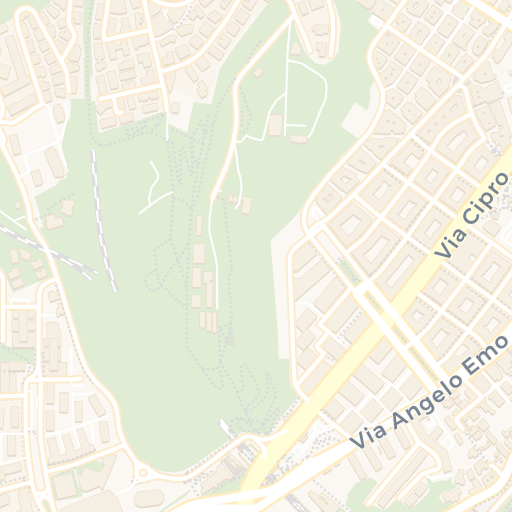
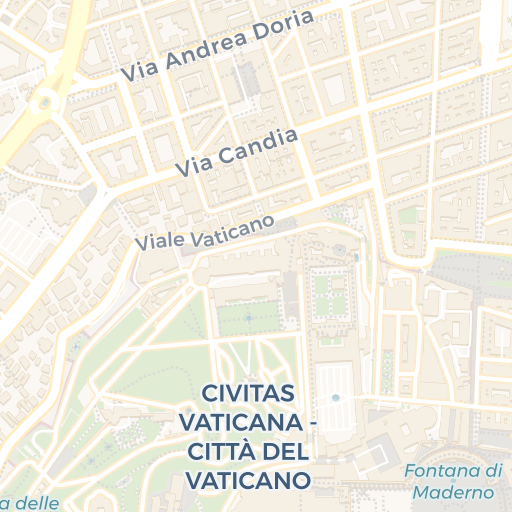
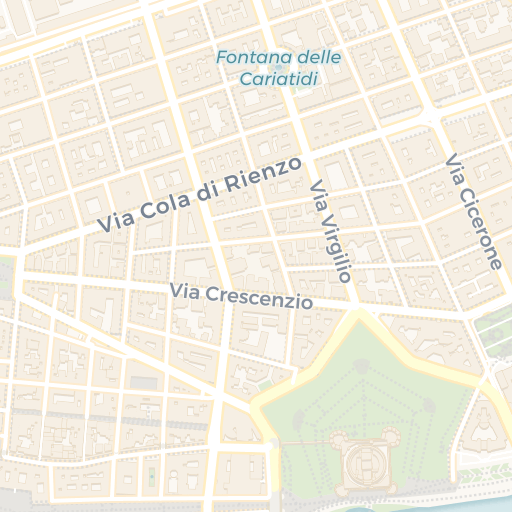
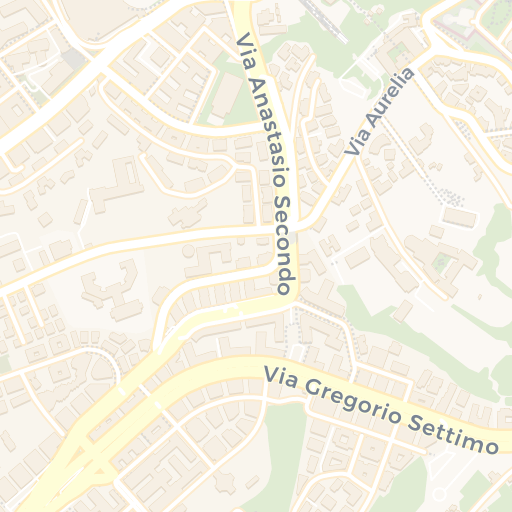
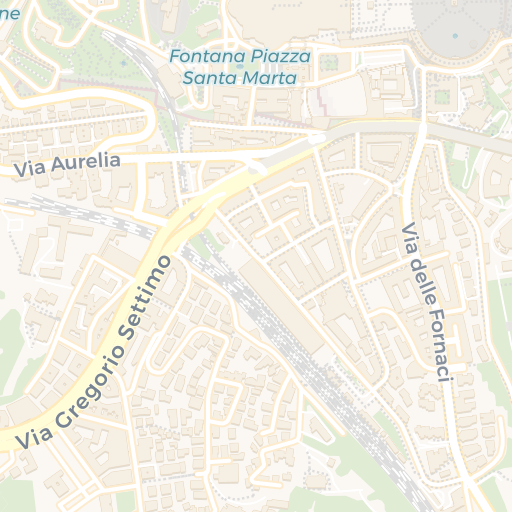
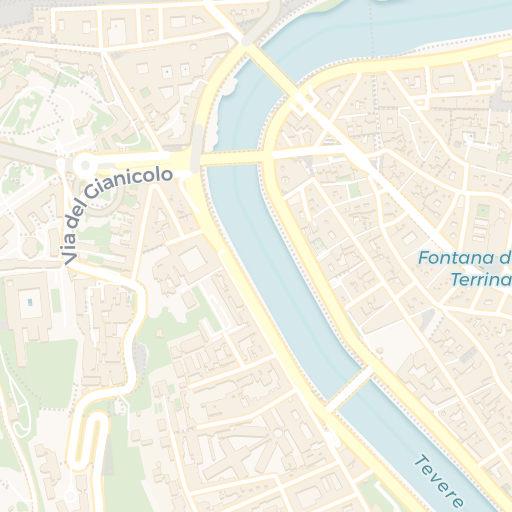
Get directions Open in Apple Maps
© OpenStreetMap contributors · © CARTO · 41.90496, 12.45466
Plan your visit
Admission: €10–€20 · Full €20, reduced €10, schools €5. Booking on the official site adds a €5 "Skip the Line" fee (€2 for schools). Free on the last Sunday of each month, and free for disabled visitors and a companion, issued at the ticket office on production of documentation.
Prices verified September 2026
Best viewpoint: The Bramante Staircase — Giuseppe Momo's 1932 double spiral, seen from the top looking down the open centre of the stairwell.
Buy from the Vatican, and from nowhere else online
The Vatican publishes this itself and it is the most useful thing on this page: the only official site for purchasing tickets online is tickets.museivaticani.va. The museums explicitly warn about websites using domains similar to the official one, which may charge significantly higher prices, and advise always checking that you are buying through the official portal.
Prices
Full admission is €20 without online booking, or €20 + €5 with a "Skip the Line" booking on the official site. The reduced ticket is €10, or €10 + €5 booked. School groups pay €5, or €5 + €2 booked. Pilgrimages, university institutes, seminaries and religious colleges each have their own reduced rate on the same pattern.
Free admission applies on the last Sunday of the month, subject to the closures calendar, and to visitors with a disability along with a companion where the visitor is not self-sufficient. Appropriate documentation of the degree of disability, or the European Disability Card, is required — and these free tickets cannot be booked online: they are issued at the ticket office on presentation of the certification.
Ticket & Pass Decision Matrix
| Option | Cost | What it gets you | Queue and booking | Verdict |
|---|---|---|---|---|
| Skip the Line, booked online | €20 + €5 | The full complex, ending at the Sistine Chapel | Timed entry booked at tickets.museivaticani.va | The default, and the best €5 in Rome. The queue it skips is measured in hours at peak. |
| Walk-up | €20 | Identical access | No booking — you join the queue along the Vatican walls | Only sensible out of season or at final entry. In summer the saving is false economy. |
| Reduced | €10 (+€5 booked) | Identical access | Same booking rule; bring the document that proves eligibility | Check the categories before paying full — students, pilgrimages and religious institutes each have a rate. |
| Last Sunday of the month | €0 | Identical access | No booking; subject to the closures calendar | Free and correspondingly packed. Good if cost is the constraint, poor if the art is. |
| Third-party resellers | Marked up | The same ticket | Often a lookalike domain | Avoid, on the Vatican's own published advice. There is exactly one official online seller and it is named above. |
Two turnstile rules. First, the dress code is enforced at the door — access to the Vatican Museums, St Peter's Basilica and the Vatican Gardens is permitted only to appropriately dressed visitors, and being turned away after queueing is a wasted morning. Second, free tickets for disabled visitors and their companions are issued on site, never online, so do not try to book one.
What is free
The last Sunday of each month is free to everyone, subject to the museums' own openings and closures calendar, with guided tours available by reservation. Visitors with a disability enter free, and where the visitor is not self-sufficient the free entry extends to a companion; documentation or the European Disability Card is required and the tickets are issued at the ticket office.
The cloakroom is free of charge. Outside the museums, St Peter's Square costs nothing and needs no ticket, and is a different visit entirely.
Hours
Monday to Saturday, 08.00 to 20.00, with final entry at 18.00. On the last Sunday of the month, 09.00 to 14.00, final entry 12.30. Days and hours of closure follow the museums' own calendar, which is worth checking against your dates rather than assuming.
What you may not bring
Tripods, stands, drones and professional equipment are not allowed. The prohibition on carrying weapons extends even to members of the police. The cloakroom takes what you cannot carry, free of charge.
Contacts
The museums are at Viale Vaticano, 00165 Rome. General information: +39 06 69883145, info.musei@scv.va. Booked visits can be managed through the official booking portal.
Verified against Musei Vaticani, September 2026.
When to visit
The first hour or the last two. Final entry is 18.00 and closing is 20.00, which is later than almost anything else in Rome and much less used. The late slot is the single best-kept timing here.
Avoid the free last Sunday unless cost is the deciding factor. It is genuinely free and genuinely packed; the galleries before the Sistine Chapel compress badly.
November to February is the real answer for crowds. The complex is entirely indoors, so winter costs you nothing except daylight afterwards, and the difference in the corridors is dramatic.
Wednesday mornings are affected by the papal audience, which draws crowds to the area around St Peter's Square. That can cut either way — fewer people in the galleries, more people between you and them.
Check the closures calendar before fixing a date. The museums close on a set of religious holidays that do not map onto the usual Italian public holidays, and a closed day is not something to discover on arrival.