

Spaccanapoli
Last updated on September 30, 2026Why visit Spaccanapoli
Spaccanapoli offers a direct way to read Naples’ historic centre on foot. A Greek-Roman street line, medieval and early-modern buildings, churches and everyday commerce share one busy corridor.
Visit if you:
- want a street-level introduction to the historic centre and its decumani
- like comparing formal churches and palazzi with working shops and bars
- are linking Piazza Gesù Nuovo, Santa Chiara, San Domenico Maggiore and San Gregorio Armeno
- prefer an open route with no attraction ticket
Skip it if you:
- need a quiet or fully step-free walk; the route is long, dense and includes slopes and changing pavement
- expect one named street with one entrance; Spaccanapoli is a modern umbrella name for several official street segments
Quick facts
- Type: Historic Place, Neighborhood, Street/Avenue
- Local name: Spaccanapoli (vedi la pagina italiana)
- Visitor access: Open to visitors
- Reservation: Not required — tickets on the door
- Typical visit: About 2 hours
- Built: Greek and Roman periods; major western connection in the 16th century
- Built for: East-west urban route through Neapolis and the historic centre
- Designed by: Ancient Greek planners; later urban works under Don Pedro de Toledo
- Architectural style: Historic street corridor with Greek-Roman grid and layered medieval/early-modern frontage
- Length: Approximately 2 km
- Ancient role: Lower decumanus of Greek-Roman Neapolis
Visit responsibly
Spaccanapoli is a residential and commercial street before it is a visitor trail. Keep to the side at narrow points, leave doorways and shop thresholds clear, and follow local directions when deliveries or processions use the route.
Churches and palazzi are working or fragile heritage. Ask before photographing people, interiors or workshops; do not touch façades, altars, street shrines or carved details.
Use refillable water, carry waste until a bin is available and favour small businesses that are open. The route has no single steward or ticket income, so considerate behaviour is the practical way to support its continuing life.
Where it is
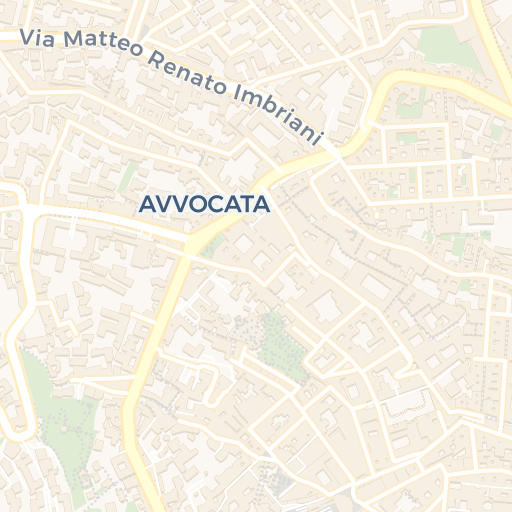
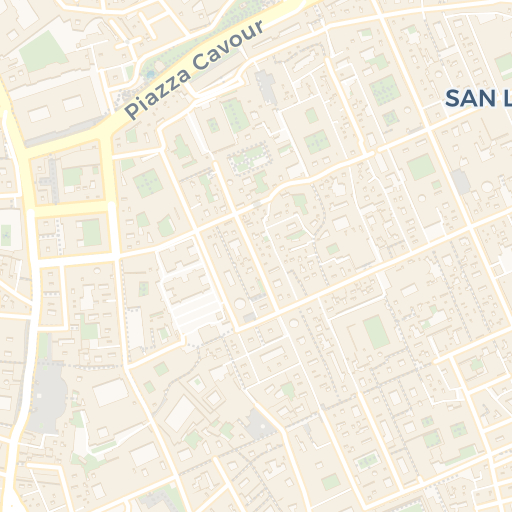

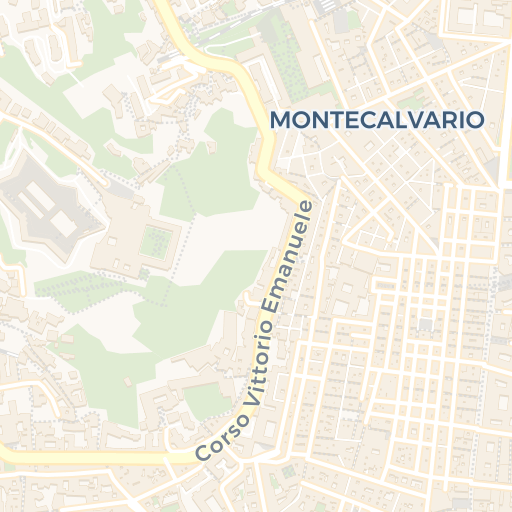
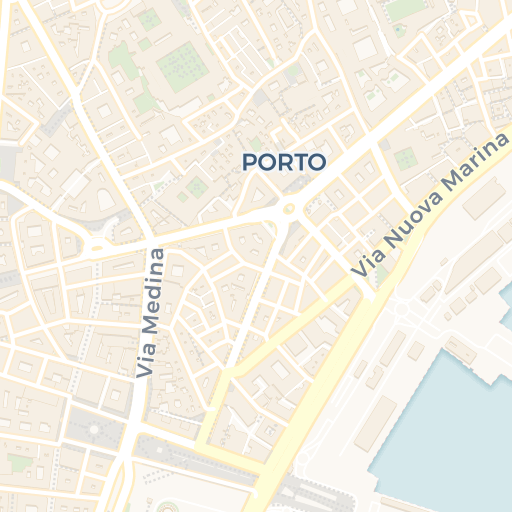
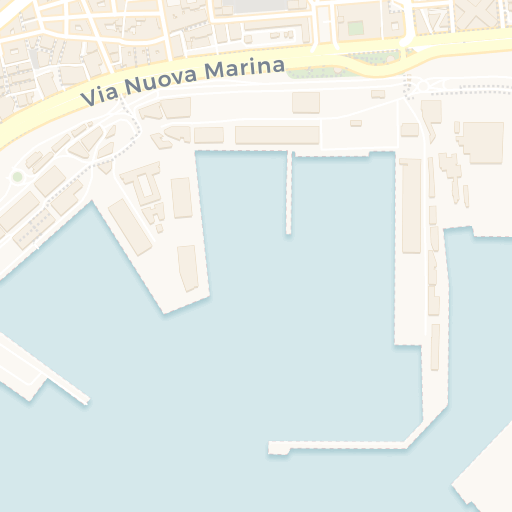
Get directions Open in Apple Maps
© OpenStreetMap contributors · © CARTO · 40.84802, 14.25418
Plan your visit
Best viewpoint: Piazza Gesù Nuovo and the Via Benedetto Croce alignment, where the route is easiest to orient before walking east
Route. The Comune di Napoli identifies the lower decumanus through Via Benedetto Croce and Via San Biagio dei Librai and publishes a Spaccanapoli itinerary beginning at Piazza del Gesù Nuovo. The broader name is also used for the westward continuation through Via Pasquale Scura and the eastward line toward Forcella. Use the official street names for navigation: there is no single gate, timetable or visitor centre for the corridor.
Allow about two hours for a purposeful walk, longer if you enter churches, browse workshops or stop for food. Walking the streets does not require an attraction ticket, but churches, museums, tours and businesses along the route set their own admission and hours.
Paving, gradients, traffic and crowding vary by segment. Wear shoes with a secure sole, leave room for residents and deliveries, and assess the specific stretch if you need a step-free route. Santa Chiara and San Domenico Maggiore sit along the central sequence.
Verified against Comune di Napoli, September 2026.
When to visit
Early morning is the clearest time to study the street grid and façades before the central route becomes crowded; late afternoon adds more neighbourhood life but less room for a slow stop. Spring and autumn are comfortable for the two-kilometre walk. Summer afternoons bring heat on exposed sections, while winter rain can make older paving and slopes tiring. Churches, shops and workshops have their own hours, and temporary street controls can also change a segment, so check the places you intend to enter rather than assuming the whole visit follows one schedule.