

Golden Temple (Sri Harmandir Sahib)
Last updated on November 3, 2026What makes Golden Temple (Sri Harmandir Sahib) special
Sri Harmandir Sahib joins architecture to a living ethic. The sanctum appears to float within the pool, but the experience is equally shaped by recited scripture, music, the ordered movement of pilgrims and the langar, where people sit and eat together without distinction. The central causeway can carry a long queue, especially on festivals and weekends. You do not need to enter the sanctum to understand the complex: a slow circuit of the pool, time listening to kirtan and participation in the langar can be a complete visit.
Visit if you:
- want to encounter one of Sikhism's central living institutions
Challenge to visitors
Skip it if you:
- cannot cover your head, remove shoes or respect restrictions set by sewadars
- want a quick staged photograph without engaging with an active sacred place
Visiting tips and strategy
When to go
October through March usually offers the easiest temperatures for barefoot movement around the marble circuit. Winter mornings can be cold or foggy; late spring and early summer can make exposed stone uncomfortably hot, while the summer monsoon brings humidity and wet surfaces.
Dawn has a strong devotional rhythm and softer crowds on ordinary days. Evening brings reflections and illumination but often more visitors. Vaisakhi, Gurpurabs and other major observances are meaningful rather than merely scenic; attend only if you are prepared for very dense pilgrimage conditions and longer controlled queues.
Verified against Incredible India, Ministry of Tourism, October 2026.
What it costs
What is free
Entry to the complex, the parikrama and the community meal in the Guru Ram Das Langar are free. Donations are voluntary. Use official donation points and do not treat langar as a commercial food service.
The district administration describes kirtan from the early devotional period until the Guru Granth Sahib is taken to rest, and the langar as operating around the clock. The sanctum queue and access to individual buildings change with ceremonies, security and crowd pressure, so check on arrival.
Getting there and getting in
Admission: Free · No admission charge; langar is free and donations are voluntary.
Prices verified October 2026
Enter as a guest of an active gurdwara
There is no admission charge. Sri Harmandir Sahib welcomes people of all faiths, but every visitor follows the site's maryada: cover your head, remove shoes, wash your feet, dress respectfully and follow sewadars' instructions. SGPC asks pilgrims to protect the devotional character of the complex; phone and photography rules can be tightened in worship areas.
Verified against Incredible India, Ministry of Tourism, October 2026.
Quick facts
- Type: Temple, Sacred Place, Site Complex, Historic Place
- Visitor access: Open to visitors
- Admission: Free
- Reservation: Not required — tickets on the door
- Built: Sarovar and settlement 1570–1577; shrine completed by 1601; scripture installed 1604; rebuilt in the 18th and 19th centuries
- Built by: Guru Ram Das, Guru Arjan and later Sikh patrons
- Built for: Sikh worship, scripture and pilgrimage
- Architectural style: Sikh sacred architecture with marble, inlay, copper and gilding
- Size: Sanctum: 40.5 ft square on a 67 ft square platform; causeway: 202 ft long
- Sacred pool: Amrit Sarovar
- Community kitchen: Free langar open to all
Where it is

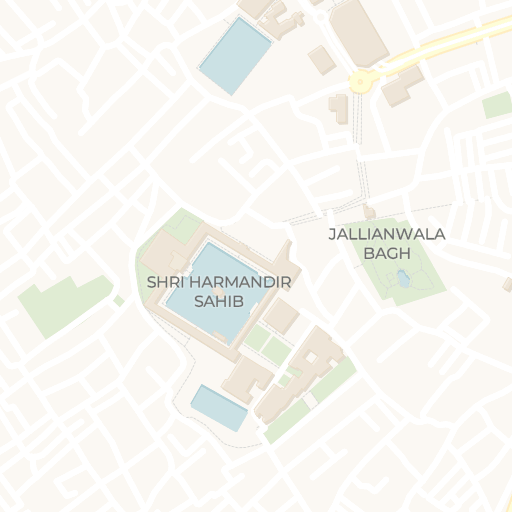


Get directions Open in Apple Maps
© OpenStreetMap contributors · © CARTO · 31.62, 74.87639
Visit responsibly
This is first a place of worship. Cover your head, remove shoes, keep your phone quiet and stop when the congregation stands for Ardas; a sewadar's direction takes priority over a photograph.
The sarovar is sacred water. Use only designated access points, keep soap and litter out, and do not feed fish or birds.
Langar is shared service, not a free restaurant. Sit where directed, accept only what you can eat, return utensils through the organised system and consider offering time or a donation through official channels.
Do not turn worshippers, bathers or people eating in pangat into visual props. Ask before making an identifiable image, and accept refusal without negotiation.