

Mysore Palace (Amba Vilas Palace)
Last updated on October 22, 2026Why visit Mysore Palace (Amba Vilas Palace)
The palace rewards attention at two scales. From the grounds, its domes, towers and long arcades make a clear urban composition; inside, stained glass, glazed tiles, painted ceilings and carved wood show how early twentieth-century court design assembled materials from several traditions.
Visit if you:
- want to understand the Wadiyar court and Mysuru Dasara through a building still tied to both
- enjoy decorative interiors as much as monumental façades
- can give the museum route and palace grounds at least two unhurried hours
- want to compare Indo-Saracenic architecture with its Hindu, Islamic, Rajput and Gothic references
Skip it if you:
- expect a private royal residence preserved exactly as it stood in one period
- need to photograph every interior; photography is restricted inside
- are visiting only for Sunday illumination but cannot stay until the separate evening period
Quick facts
- Type: Palace, Museum, Historic Place, Building
- Visitor access: Open to visitors
- Reservation: Not required — tickets on the door
- Typical visit: About 2 hours 30 minutes
- Built: Built 1897–1912 after the previous palace burned; extended in 1940
- Built by: Maharani Vani Vilas Sannidhana for Krishnaraja Wadiyar IV
- Built for: Royal residence, state ceremony and Wadiyar court life
- Designed by: Henry Irwin
- Architectural style: Indo-Saracenic with Hindu, Islamic, Rajput and Gothic elements
- Size: Three storeys; approximately 245 ft long; central tower approximately 145 ft high
- Also known as: Amba Vilas Palace
- Illumination: Approximately 97,000 bulbs
Visit responsibly
Respect the photography restriction inside. It protects collections and visitor flow, and arguing at room thresholds slows a route already carrying large numbers.
Dasara is a living civic and religious festival, not a costumed museum performance. Keep processional routes clear, follow temporary barriers and avoid blocking worship or ceremony for a photograph.
Use authorised tickets and guides. In the grounds, stay on established paths, keep food waste out of planted areas and carry refillable water rather than adding disposable packaging.
The palace represents royal power as well as decorative craft. Read the museum interpretation critically and leave time for Mysuru's wider history rather than treating one dynasty's residence as the whole city.
Where it is
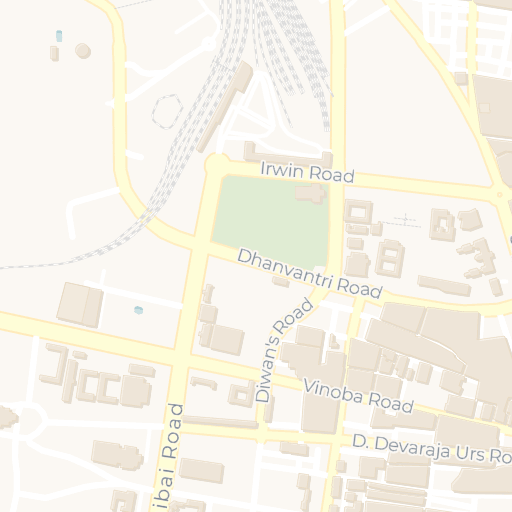
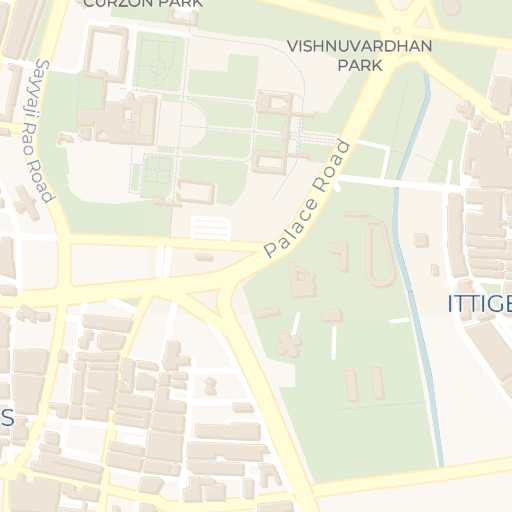
Get directions Open in Apple Maps
© OpenStreetMap contributors · © CARTO · 12.30514, 76.65519
Plan your visit
Separate the daytime palace from the evening display
Karnataka Tourism lists the museum as open daily from 10:00 to 17:30, with last entry at 17:00. It is a ticketed visit; use the current official booking channel for the applicable rate because government pages do not all display the same amount. Photography and videography are not allowed inside the palace.
What is free
Views of the façade from the public approaches do not require a museum ticket. The palace rooms and controlled visitor circuit begin beyond the ticketed gate. Scheduled exterior illumination may be viewed from outside the museum route, but crowd-control boundaries can move during Dasara and public events.
The Sunday and public-holiday illumination is normally listed separately from daytime admission. Sound-and-light programming also follows its own schedule. Confirm both before travelling specifically for an evening event.
Verified against Karnataka Tourism, October 2026.
When to visit
October brings the closest connection between palace and festival. Mysuru Dasara activates the grounds, throne and illumination tradition, but it also brings the year's heaviest demand and controlled access.
For a quieter museum visit, arrive near the 10:00 opening on an ordinary weekday. Mysuru's temperatures are moderate by regional standards, though midday rooms and exposed grounds are still less comfortable than morning. Sunday evening suits illumination, not an uncrowded interior circuit; treat those as two different visits.