

Scuola Grande di San Rocco
Last updated on September 14, 2026Overview
Dating to the 16th century, the Scuola Grande di San Rocco is one of the most beautiful buildings in Venice. It was constructed from white marble to house a charitable society dedicated to San Rocco, regarded by many as a protector against the plague. It was designed like most other scuole in Venice, with two halls (one on the ground floor and the other above), with a staircase and landing topped by a dome connecting the two.
Quick facts
- Type: Building, Museum, Historic Place
- Local name: Scuola Grande di San Rocco (vedi la pagina italiana)
- Visitor access: Open to visitors
- Admission: €10
- Built: 16th century
- Built by: Bartolomeo Bon and his son Pietro Bon, Sante Lombardo and Antonio Scarpagnino (facade and staircase)
- Architectural style: Renaissance
Visit responsibly
Photography without flash is generally permitted, but flash itself is not -- Tintoretto's canvases are centuries old and light-sensitive, and the restriction is about preserving them, not limiting visitors.
The Scuola Grande di San Rocco remains an active confraternity, not simply a converted museum, and quiet, unhurried behavior is appreciated in the same way it would be in a still-functioning place of worship.
Where it is
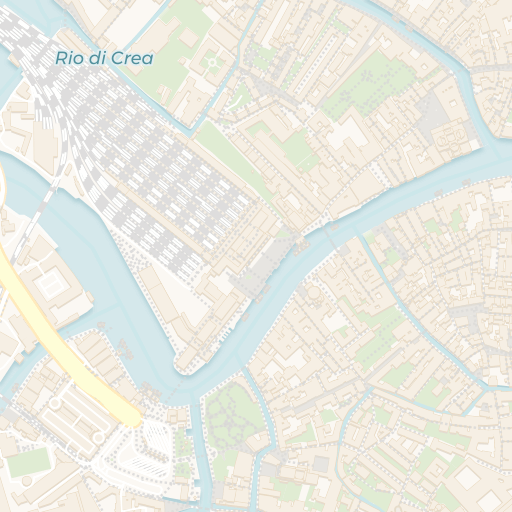
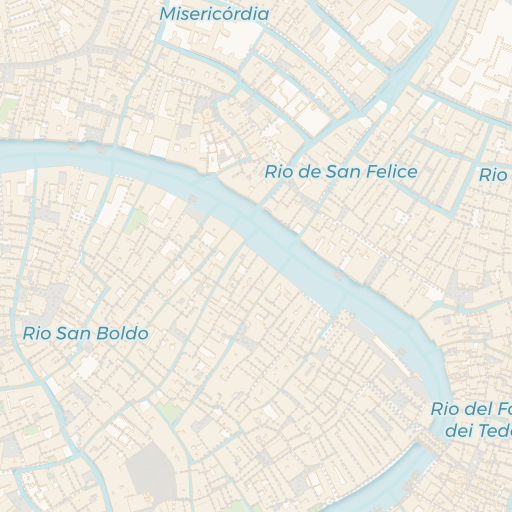
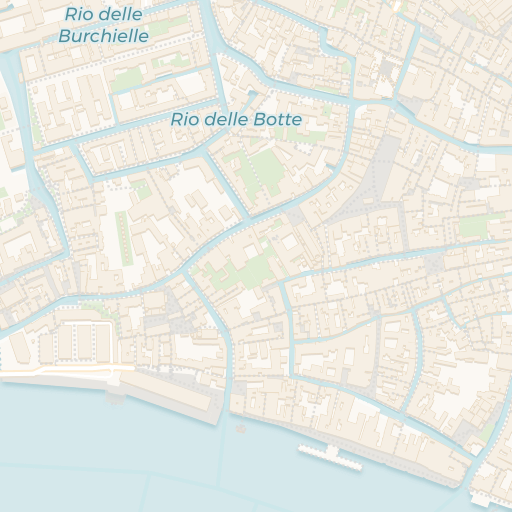
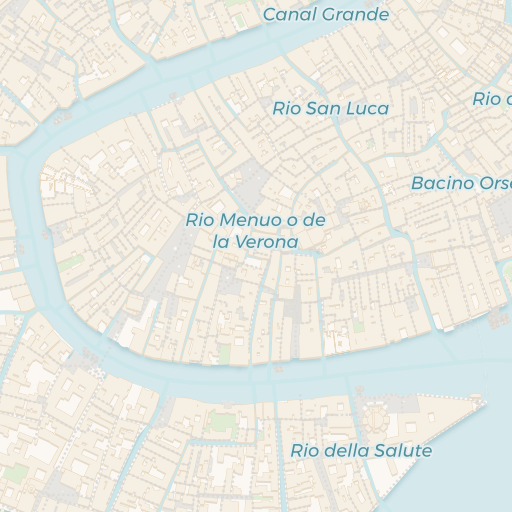
Get directions Open in Apple Maps
© OpenStreetMap contributors · © CARTO · 45.43657, 12.32531
Plan your visit
Admission: €10 · Tintoretto cycle
A visit typically takes 45 minutes to an hour, longer for anyone working through the full painting cycle with the aid of the free floor plan or an audio guide.
- Tickets: sold at the entrance or online in advance; a combined ticket covering the adjacent Chiesa di San Rocco is often available.
- Getting there: a short walk from the Basilica dei Frari in San Polo -- nearest vaporetto stop is San Tomà.
- Access: the grand staircase to the upper hall has no elevator alternative.
When to visit
San Rocco draws a fraction of the crowds at the Doge's Palace or St. Mark's Basilica, so queueing is rarely a concern -- the more useful timing consideration is light.
The upper hall's paintings, especially the ceiling canvases, read best in natural daylight; visiting in the afternoon on a bright day makes a real difference to how much detail is visible compared to an overcast morning. Mirrors are provided in the hall specifically to help visitors view the ceiling without craning their necks for the full visit.