

Chiesa di San Pantalon
Last updated on November 10, 2026Hours verified November 2026
San Pantalon looks unremarkable from outside -- its brick facade was never finished with the marble cladding originally planned -- but its ceiling holds one of the largest painted canvases in the world, an illusionistic sky that appears to blow the roof wide open above the nave.
Challenge to visitors
It closes on Fridays, which almost nothing else in Venice does. Among churches that keep visiting hours at all, Monday and Tuesday are the usual closures, so a Friday walk to Dorsoduro on the strength of general knowledge fails here specifically.
And it shuts for three hours in the middle of the day. Visiting runs 10:00–12:30 and then 15:30–18:00, with nothing between — the window most visitors would naturally use is the one that is closed.
Then there is the problem of looking up. The painting is the ceiling, the whole of it, and there is no comfortable way to see a nave-length canvas from below for any length of time. People come out having glanced at the most ambitious thing in the building.
It is a parish church first. Visiting hours bend around services, which the parish says plainly rather than pretending to a museum timetable.
Visiting tips and strategy
When to go
The ceiling is lit by daylight through the nave windows and by very little else, so the visit depends almost entirely on the weather and the hour. A bright morning or a clear late afternoon shows Fumiani's sky as intended; an overcast winter afternoon reduces it to a brown blur.
The illusion is built for a specific viewpoint. Standing directly beneath the centre flattens it -- the painted architecture only lines up with the real walls from partway down the nave, nearer the entrance, which is where to stand before looking up.
Opening hours are short and split around a long midday closure, and as a parish church rather than a museum they are not rigorously kept. Late afternoon is the more reliable of the two windows.
Entry is free, which means no queue at any time of year -- the one church of this calibre in Venice where arriving in high season costs nothing but a walk.
Getting the good version
Sit down. That is the whole technique here: take a pew near the middle of the nave, lean back, and give the ceiling ten minutes. Standing and craning gets you about ninety seconds before your neck decides otherwise, which is why most visitors leave underwhelmed by one of the most ambitious paintings in the city.
Come in the afternoon slot, from 15:30. The nave takes its light from high windows and the later window is the better-lit one, with the added advantage that the morning is when the church is likeliest to be in use.
Work out from the centre. The composition is built to be read from below the middle of the nave; from the ends it foreshortens into confusion, which is the point of the illusion and the reason it fails from the door.
Ten minutes, and it is free. Combine it with the Frari and San Rocco, both a few minutes away — three buildings that between them hold more painting than most cities manage.
What it costs
Nothing, and there is no ticket desk to walk past. This is a working parish church, not a ticketed monument, and the parish publishes visiting hours, Mass times and directions without any tariff, booking or circuit pass attached.
Which makes it one of the best-value hours in Venice. Most of the city's major painted interiors are now behind an admission of eight to fifteen euro; this one holds a nave-length illusionistic ceiling and asks nothing.
The parish does ask for something else. It runs charitable work from the building and publishes an appeal for it alongside the visiting information — which is the form a contribution takes here, rather than a turnstile.
Getting there and getting in
Admission: Free
Where it is
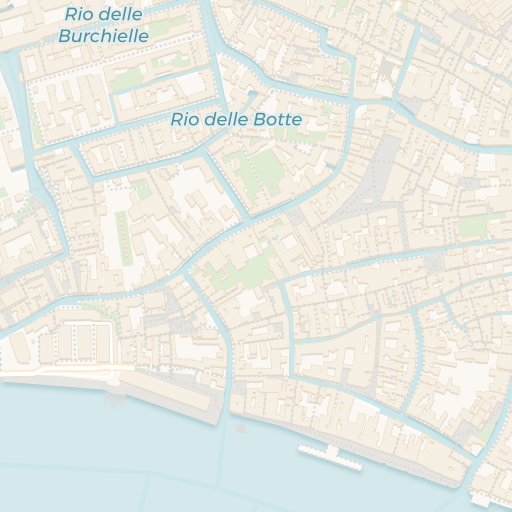
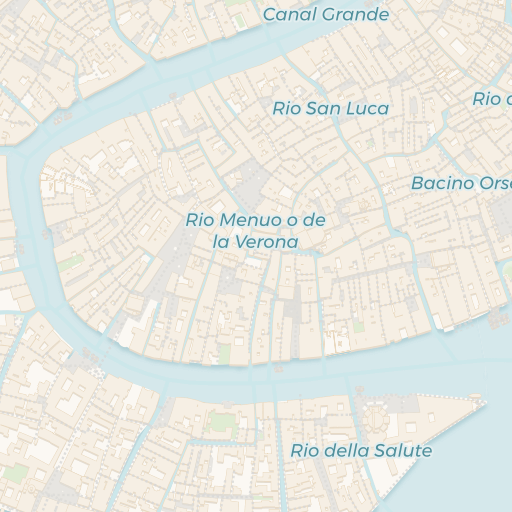
On Campo San Pantalon in Dorsoduro, a short walk from Campo Santa Margherita and a few minutes from the Frari. The parish gives the walk from Santa Lucia station or Piazzale Roma as ten to fifteen minutes.
Hours
Monday to Thursday: 10:00–12:30 and 15:30–18:00.
Saturday and Sunday: 10:00–12:30 and 15:30–18:00.
Closed Friday.
Visiting hours can change according to services. Weekday Masses are suspended in July and August.
Admission
Free. No ticket, no booking.
How long
Fifteen minutes, most of it sitting down looking up. Pair it with the Frari and the Scuola Grande di San Rocco, both within five minutes.
Place accessibility
The parish publishes nothing about physical access, and that is recorded here rather than filled in. Its pages cover visiting hours, Mass times, the church's works of art and how to walk here, with no mention of steps, thresholds, ramps or accessible toilets.
What the building offers is a single flat volume. The whole visit is the nave — one level, no crypt to descend to, no gallery to climb, and the thing you have come for is directly overhead from anywhere in it. That is structurally about as favourable as a historic Venetian church gets.
The seating matters more here than a route does. Since the ceiling is best seen seated, a visitor who cannot stand and crane is at no disadvantage at all — arguably the opposite.
Not published, and not guessed: whether the door from the campo has a step, which is the one question the building's shape cannot answer for itself. The parish office is the only route to an answer.
Quick facts
- Type: Church, Historic Place
- Local name: Chiesa di San Pantalon (vedi la pagina italiana)
- Visitor access: Open to visitors
- Admission: Free
- Reservation: Not required — tickets on the door
- Typical visit: About 35 minutes
- Built: 1668-1686 (site occupied since the 9th century)
- Designed by: Francesco Comin
- Architectural style: Venetian Baroque
Where it is
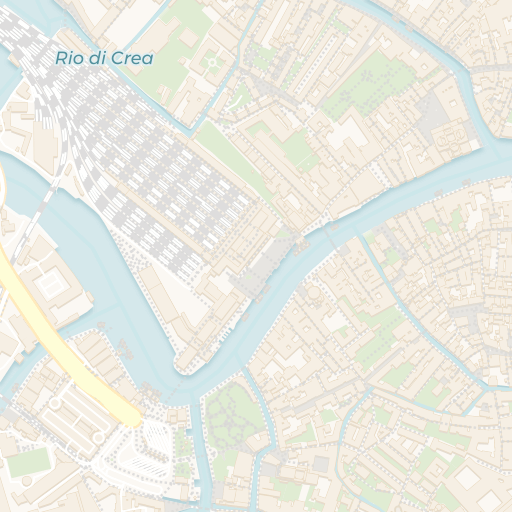
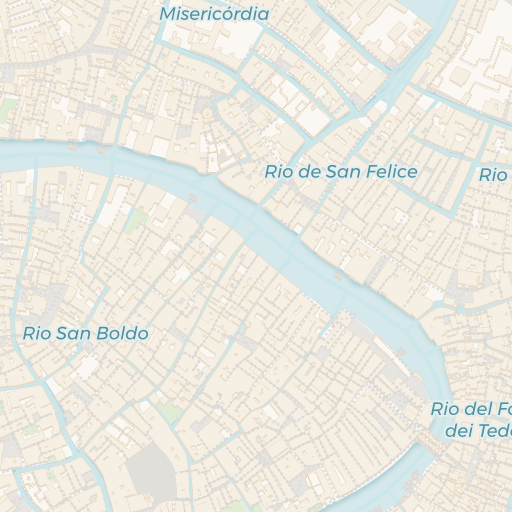
Get directions Open in Apple Maps
© OpenStreetMap contributors · © CARTO · 45.43571, 12.32473
Visit responsibly
San Pantalon charges nothing to enter, which makes it unusual among Venice's major painted interiors and also makes it dependent on the donation box. A church that asks for nothing still has a ceiling of forty canvases to conserve.
It is a working parish first and an attraction second, and the difference shows: there are no barriers, no wardens and no marked route, so the responsibility for behaving well inside sits entirely with the visitor. Quiet, no flash, and not walking through a service are the whole of it.
The neighbourhood around it is residential and academic rather than touristic. Groups stopping in the small campo block a genuine thoroughfare between Santa Margherita and the Frari, and there is no room here to absorb them the way the larger squares can.