

Canals of Venice
Last updated on October 7, 2026Overview
Venice's canals form its transport network, public frontage and connection to the lagoon. The Grand Canal carries scheduled water buses, deliveries and private traffic through the historic centre, while smaller rii divide the built islands and provide water access to homes, churches and palaces.
More than scenery, the canals explain how Venice works. Their dimensions and functions vary, from the broad Grand Canal to narrow neighbourhood waterways, and their edges reveal centuries of construction, maintenance and adaptation to tides.
Canals and bridges
Venice is commonly described as having around 150 canals and roughly 400 bridges, although totals vary according to what is counted. These approximate figures are more useful as a sense of the network's scale than as an exact survey.
Quick facts
- Type: Famous Wonder, Historic Place, Canal
- Local name: Canali di Venezia (vedi la pagina italiana)
- Visitor access: Open to visitors
- Built: Progressively since the 5th century.
- Number of canals: 150
- Number of bridges: 400
- UNESCO World Heritage Site: Yes
Visit responsibly
The Grand Canal and the area around the Rialto and St Mark's Square see the heaviest crowds around midday during peak season (April-October) -- visitors seeking a quieter experience may prefer early morning, evening, or the shoulder months of spring and autumn.
Large cruise ships were barred from entering the Giudecca Canal in 2021, after years of concern over their wake and exhaust in a waterway never built for vessels that size -- a shift that came directly from local pressure over the canals' long-term health. Venice also introduced an entry fee for day-trippers in 2024, aimed specifically at spreading visitor impact more evenly across the calendar.
Boat wake (moto ondoso) from private water taxis and speedboats contributes measurably to the erosion of building foundations along the canals -- choosing the vaporetto or a traghetto over a private speedboat, where the trip allows for it, is a small choice that adds up across the volume of visitors the city receives.
Where it is
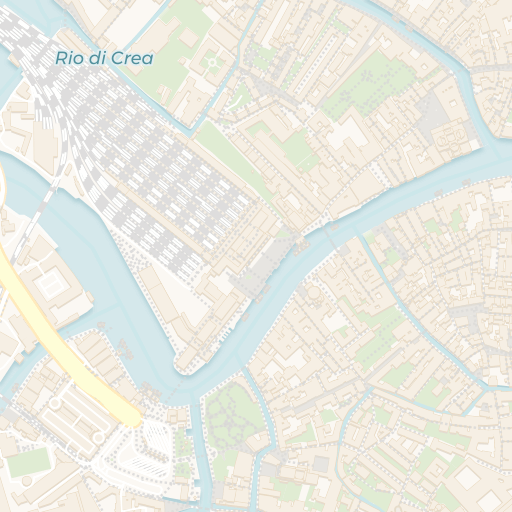
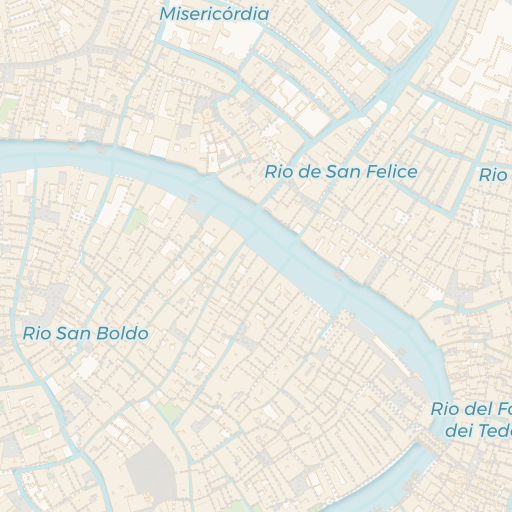
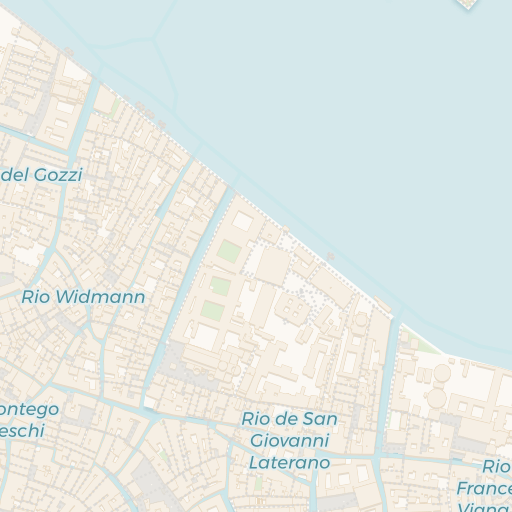
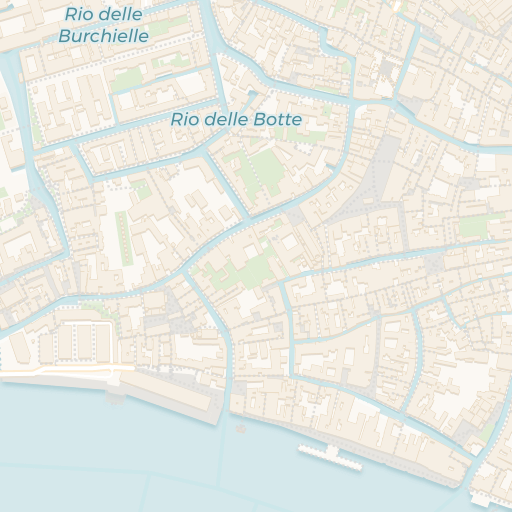
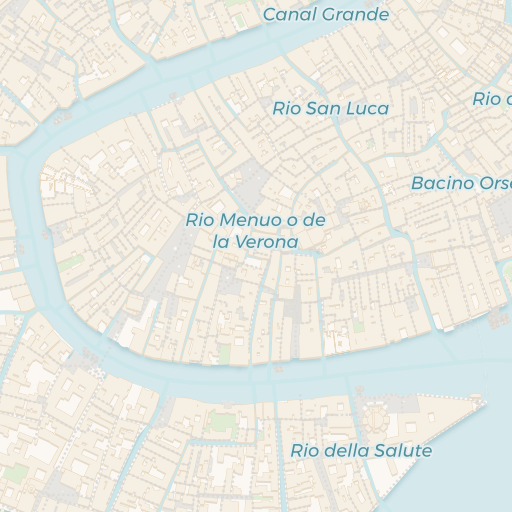
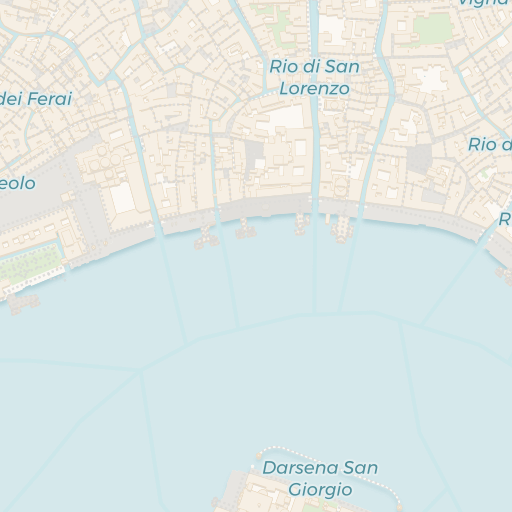
Get directions Open in Apple Maps
© OpenStreetMap contributors · © CARTO · 45.4363, 12.3325
Plan your visit
The vaporetto (water bus) is Venice's main public transport and the most practical way to cover real distance along the Grand Canal -- Line 1 is the slower, scenic option that stops everywhere, while Line 2 runs faster with fewer stops. A multi-day Venezia Unica travel pass is worth it for anyone planning more than a couple of rides.
A gondola ride is priced by the city at a fixed official rate for a set duration (higher after dark) -- confirm the current rate with the gondolier before setting off. For a cheaper, purely functional taste of the same boat, a traghetto -- a stripped-down gondola ferry locals use to cross the Grand Canal at a handful of fixed points where there's no nearby bridge -- costs a fraction of a tourist gondola ride.
Water taxis are faster and considerably more expensive than the vaporetto, useful mainly for direct transfers (the airport, a specific hotel) rather than general sightseeing.
There are no cars, bikes, or wheeled luggage-friendly ramps in most of central Venice -- expect to carry bags over numerous small bridges, and pack light accordingly.
When to visit
The canals are quietest in the early morning, before day-trip trains and cruise passengers arrive -- gondoliers, delivery boats, and produce barges have the water mostly to themselves before around 9am.
Acqua alta (exceptional high water) is mostly an autumn-to-early-spring event, most likely October through January, when high tides combine with sirocco winds and low pressure to push water over the canal banks into St Mark's Square and other low-lying areas. Raised walkways (passerelle) go up within hours of a forecast, and the water typically recedes within a few hours too -- it's disruptive but rarely cancels more than part of a day.
Peak crowds run April through October, heaviest around Easter, throughout summer, and during the Redentore (July) and Regata Storica (September) festivals, when the canals themselves become part of the event -- boat processions and fireworks draw people to the waterline. November through March sees noticeably thinner crowds, at the cost of a real chance of acqua alta and shorter days.
Winter fog (nebbia) occasionally grounds vaporetto and water-taxi services for a few hours at a time -- infrequent, but worth building slack into a winter itinerary for.