

Castel San Giovanni, Finale Ligure
Last updated on October 18, 2026Why visit Castel San Giovanni, Finale Ligure
Because there is a fifteenth-century tower in the middle of this seventeenth-century fortress, and you can see it.
The draw is a building that swallowed an older one. The Spanish put up Castel San Giovanni in 1642-43, to a design by the Milanese ingegnere camerale Francesco Prestino, on the ruins of a torrione of the mid-fifteenth century — and that tower, known from a drawing of 1571 and recorded by the historian Gianmario Filelfo, is today the fortress's octagonal central body. One site, two answers to the same military problem a century and a half apart.
The friction is that it is a state site and nothing about the visit could be verified here. The Ministero della cultura has managed it since December 2014, now through the Direzione Regionale Musei Liguria. Its ministry page could not be reached while this entry was written, the comune publishes nothing, and the local museum's guided-visit programme does not cover this fort. Check with the Direzione Regionale Musei Liguria before you go.
The smart way is to take it with Castel Gavone, in that order. The fort exists because of the castle above it: it was built to hold the slope so enemy guns could not be set up beneath Castel Gavone, while simultaneously protecting and controlling Finalborgo. Gaspare Beretta built the direct link down to the borgo between 1674 and 1678.
Quick facts
- Type: Castle, Historic Place, Museum
- Local name: Castel San Giovanni, Finale Ligure (vedi la pagina italiana)
- Built: Built 1642-43 on the ruins of a mid-fifteenth-century tower, to a design by Francesco Prestino; restored and enlarged by the Spanish 1674-78 under Gaspare Beretta; part-demolished by Genoa after 1713; a penitentiary from 1822; taken into the state demesne in 1960 and restored in recent years
- Designed by: Francesco Prestino, ingegnere camerale of Milan (1642-43); Gaspare Beretta (enlargements and the link to the borgo, 1674-78)
- Architectural style: A typical Spanish artillery fortress at 50 m above sea level, built around and over a mid-fifteenth-century octagonal tower that is now its central body
Visit responsibly
It is a restored monument in state care, so treat the restoration as the exhibit. The fort was entirely restored in recent years after more than a century as a prison and a part-demolition before that; the surfaces on show are the result of that work, and the fifteenth-century octagon at the centre is the oldest of them.
Do not treat an unverified opening as an invitation to climb in. This page could not confirm an hour for the fort. That is a reason to ask the Direzione Regionale Musei Liguria, not a reason to go round a fence — and a fort on a slope above a town is not a place to improvise an approach.
Give Finalborgo the same care as the fort. The walled borgo below is a lived-in historic centre with restricted vehicle access and a church complex that holds the territory's archaeological museum. Arriving by TPL Linea bus 40 or on foot from the station takes a car out of it.
Spread the visit out of August. Finale Ligure has three busy periods — the beach in August, the mountain bikers in late May and October — and the fortifications above the borgo are the part of the comune that is most pleasant in the quiet months.
Where it is
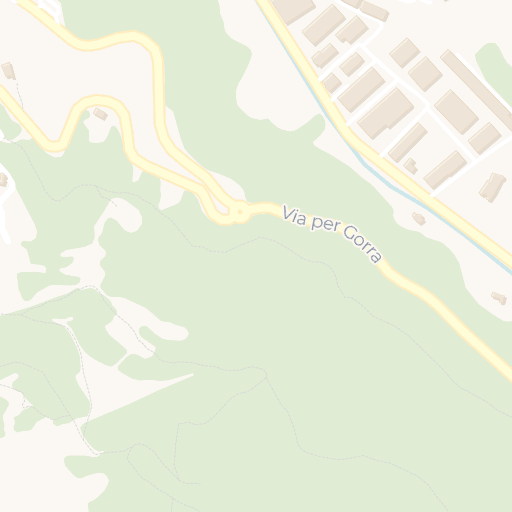
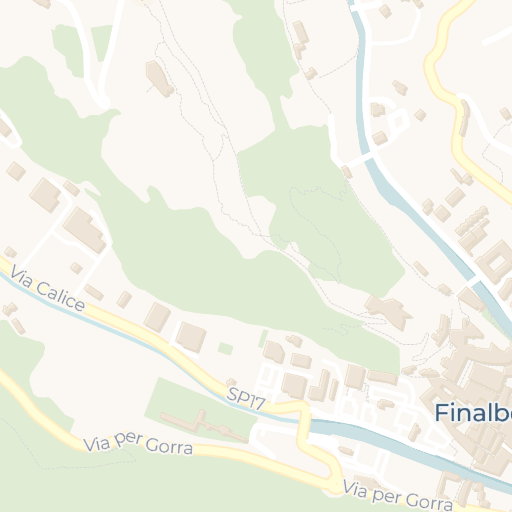
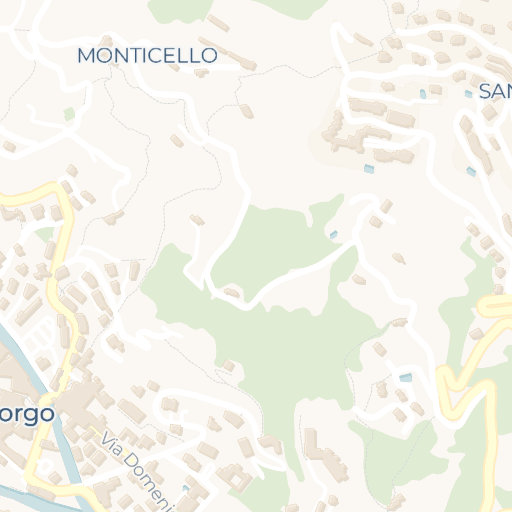
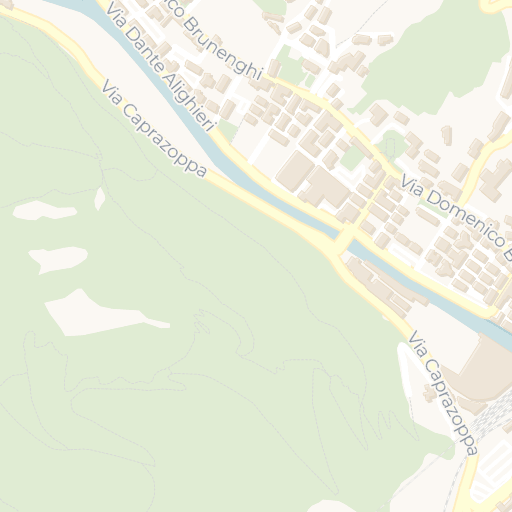
Get directions Open in Apple Maps
© OpenStreetMap contributors · © CARTO · 44.17739, 8.32509
Plan your visit
Ask the Direzione Regionale Musei Liguria, because this is a state site. The Ministero della cultura has managed the fort since December 2014, through the Polo museale della Liguria and, from December 2019, the Direzione Regionale Musei Liguria. That office is who publishes for it.
No hour and no price is given here, because none was verified. The ministry's own page for the fort could not be reached while this entry was written — the host resolves but the connection times out, repeatedly. Rather than repeat an opening time from memory or from a third party, this page states plainly that it has none, and sends you to the ministry's site for the Finalese museums.
The comune publishes nothing, and the local museum does not run this one. The Comune di Finale Ligure (Via Pertica 29, switchboard 019 689011) publishes no hour or admission for any building in the comune. The Museo Archeologico del Finale, which does run guided visits to Castel Gavone, to the Caverna delle Arene Candide, to the Varigotti promontory and to the Teatro Aycardi, does not list this fort among its sites.
Getting to the hill. The fort is at 50 m above sea level on the slope above Finalborgo, below Castel Gavone. Finalborgo itself is reachable on TPL Linea bus 40 or 40/ — stop Finalborgo Centro — or 1.6 km on foot from Finale Ligure Marina station on the Genoa-Ventimiglia line; by car, the A10 exit is Finale Ligure, and access inside the borgo's walls is restricted, with paid and disc parking outside them.
Verified against Comune di Finale Ligure, October 2026.
When to visit
Check that it is open before you choose a month. This is a state museum site whose hours were not verifiable for this entry, so the first question is the Direzione Regionale Musei Liguria, not the season.
Spring and autumn for the climb. The fort sits on an exposed limestone slope above the borgo, and the Finalese holds heat — it is a climbing district for that reason. March to May and September to October are the comfortable windows.
August is when the borgo below is at its fullest. La Notte dei Tarocchi runs through Finalborgo on 12 and 13 August and Viaggio nel Medioevo occupies four evenings in the third week. The hill above is the quieter half of the same visit.
And two sporting weekends fill the hinterland. A round of the Enduro World Series in October, and the 24-hour mountain-bike race on the Manie plateau on the last weekend of May.