

Caverna delle Arene Candide, Finale Ligure
Last updated on October 18, 2026Why visit Caverna delle Arene Candide, Finale Ligure
Because nineteen people were buried in this cave in the Palaeolithic and one of them still has his hat on.
The draw is a grave nobody expected to survive. The Giovane Principe was laid on a bed of red ochre seven metres below the floor, facing south, wearing a cap of gilt Nassa shells, with ornaments of shell and bone, worked deer antler and a long flint in his hand. The mortal wound to his chin had been made good with yellow ochre before he was buried. He is one of nineteen Palaeolithic burials here — one of the largest such groups known anywhere and, by a distance, the best preserved.
The friction is that you cannot wander in, and the finds are not here. The cave is accessible exclusively on a guided visit and booking is compulsory on 019 690 020. The objects themselves are in Genoa, in Finalborgo and in Rome; what is here is the stratigraphy and the place.
The smart way is to book the cave and the museum together. The Museo Archeologico del Finale runs both, from the Chiostri di Santa Caterina at Finalborgo, and holds the Finalese finds; a full-price Arene Candide ticket gets you the museum at the reduced €3 rather than €5. The museum also publishes an Arene Candide audio route among the five on its app.
Quick facts
- Type: Historic Place, Nature
- Local name: Caverna delle Arene Candide, Finale Ligure (vedi la pagina italiana)
- Built: Not built -- a natural cave in the limestone of the Caprazoppa, occupied from the Upper Palaeolithic to the Byzantine era; named from Arturo Issel's visit of June 1864, excavated 1940-42 and 1948-50, opened regularly to the public from July 2019
- Architectural style: A wide natural cavern with three large openings, relatively lit and dry, on the upper edge of the west rim of the former Ghigliazza quarry
Visit responsibly
This is a burial ground, and nineteen of the graves were Palaeolithic. The reason it is shown only with an archaeologist is that the deposit is the exhibit: the stratigraphy, not a floor. Stay on the laid route, which was built in 2018-19 specifically so that visitors would not be walking on the evidence.
The preservation that makes it important is fragile. What distinguishes these burials is the exceptional conservation of bone and burnt material, which is a function of the depositional environment inside the cave. It is also why nothing should be touched, moved or collected.
Book rather than arrive. Booking is compulsory and the visits are led in groups by museum staff. Turning up unannounced at a site reached by a thirty-minute walk, with no ticket office on it, simply wastes the walk.
Support the museum that runs it. The Museo Archeologico del Finale is the Finalese section of the Istituto Internazionale di Studi Liguri and holds the territory's finds; the combined rate — a full-price cave ticket brings the museum down to €3 — exists to join the two. The museum is fully accessible, with a lift reaching every floor.
Where it is
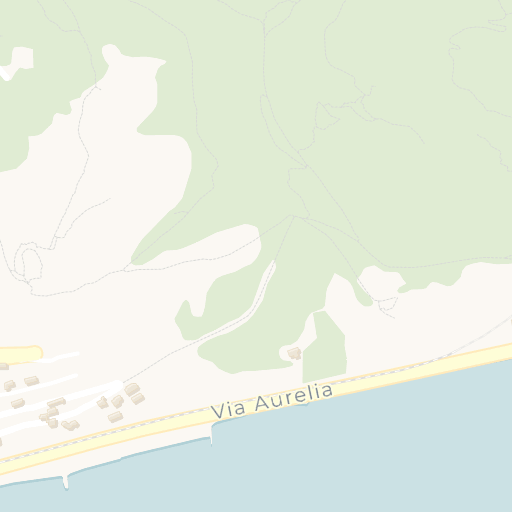



Get directions Open in Apple Maps
© OpenStreetMap contributors · © CARTO · 44.16233, 8.32827
Plan your visit
Guided visit only, booking compulsory. The Museo Archeologico del Finale states the terms for the cave without qualification: accessible exclusively with a guided visit, booking obligatory on 019 690 020. There is no unaccompanied entry published by anyone. The Comune di Finale Ligure, which holds the site jointly with the museum, publishes nothing for it.
What the visit is. A route guided by archaeologists, described by the operator as a journey back from today to about thirty thousand years ago, retracing the research carried out over more than 150 years of study and excavation. Dates appear in the museum's events calendar rather than as daily opening hours.
Prices, and what is not published. A full-price Arene Candide ticket exists: the museum offers its own reduced admission to holders of one. No figure for the cave ticket appears on the pages read for this entry, and none is guessed here. The museum's own admission is €5 full, €3 reduced — which includes holders of that cave ticket — €10 family (two adults and at least one child under 12) and free under six, with a European Disability Card plus one companion, for tourist guides and for ICOM members. Cash, credit cards and bancomat are accepted. Guided visits are bookable by telephone only.
Getting there, and the walk. Access is from above, on a path that takes about thirty minutes on foot. Book and ask at the museum first: Chiostri di Santa Caterina, 17024 Finale Ligure, +39 019 690020 or +39 351 730 6191, info@museoarcheofinale.it. The museum is 1.6 km from Finale Ligure Marina station on the Genoa-Ventimiglia line, or TPL Linea bus 40 or 40/ to the Finalborgo Centro stop, 200 m away.
Verified against Museo Archeologico del Finale (MAF) / Museo Diffuso del Finale (MUDIF), October 2026.
When to visit
Whenever the calendar has a date, because that is the real constraint. The cave is open only on booked guided visits, so the question is not the month but whether a visit is scheduled and has room. Telephone the museum on 019 690 020.
Spring and autumn for the walk. The approach is a thirty-minute climb from above on the west flank of the Caprazoppa, and the Finalese is a climbing district because its limestone holds the heat. March to May and September to October are the comfortable windows.
Two weekends to avoid in the hills. Finale hosts a round of the Enduro World Series in October and the 24-hour mountain-bike race on the Manie plateau on the last weekend of May. Both fill the hinterland with riders and shuttles.
Note the museum's two timetables if you are combining them. From 15 September to 14 June it opens Tuesday to Sunday, 9:00-12:00 and 14:30-17:00; from 15 June to 14 September, 10:00-13:00 and 16:00-19:00. Monday closed all year.