

Baths of Caracalla
Last updated on October 5, 2026Why visit Baths of Caracalla
The draw
Scale you cannot get anywhere else in Rome. Twenty-five hectares, a rectangle of 337 by 328 metres, several million bricks, and walls still standing high enough that the people at their foot read as specks. The Baths of Caracalla were the city's second-largest bath complex and are among the best-preserved imperial buildings of antiquity for one blunt reason: nothing was ever built on top of them. Underneath are roughly two kilometres of service galleries, the furnaces and boilers that heated the place, a mill, and one of the largest Mithraea surviving in Rome.
The problem when visiting
It closes on Mondays, and its hours change five times a year — from 9.00 to 16.30 in deep winter to 9.00 to 19.15 in high summer, with a different last-entry time in each period. Any single closing time you read elsewhere is wrong for most of the year. It is also a ruin without a roof: there is very little shade, the ground is open gravel, and in July and August the middle of the day is punishing. And the building is hard to read — without knowing the sequence of rooms, it is a lot of very large brick.
The tactic
Go early, or go in the last two hours. Learn one thing before you walk in — the central block runs on a single axis, calidarium, tepidarium, frigidarium, natatio — and the whole site suddenly has a shape. Buy only from the official channel: tickets are nominative and sold through the Musei Italiani portal, its app, or the desks and totems on site. Guided tours and skip-the-line entry are not offered here at all, so anything advertised as one is not an official product, and the Soprintendenza disclaims responsibility for it.
Skip it if you:
- Are visiting on a Monday. Closed, with no exceptions published.
- Are in Rome in a heatwave with only midday free. There is no shade to speak of.
- Want mosaics and statues in situ. The Farnese Bull and Farnese Hercules came out of here and are in Naples; the mosaics found in 1824 are in the Vatican Museums.
- Have only one ancient site in you. The Forum and Palatine come first for most people, and this is a twenty-minute walk further out.
Quick facts
- Type: Ruins, Site Complex, Historic Place
- Local name: Terme di Caracalla (vedi la pagina italiana)
- Reservation: Not required — tickets on the door
- Typical visit: About 1 hour 30 minutes
- Built: Built <span class="timeline-date">c. 212–216/217 AD</span>; inaugurated <span class="timeline-date">216 AD</span>
- Built by: Septimius Severus and his son Caracalla
- Built for: Rome's second-largest public bath complex
- Architectural style: Imperial Roman thermae
- Built in about five years: Twenty-five hectares, 337 by 328 metres and several million bricks, on three descending terraces.
- It ended on one day in 537: Vitiges, king of the Goths, cut the aqueducts during the siege of Rome and the baths never worked again.
Visit responsibly
Buy through the official channel, and not only for your own protection. Tickets are nominative and sold solely through the Musei Italiani portal, the app, or the on-site desks and totems. The Soprintendenza disclaims responsibility for anything bought elsewhere, and unofficial resale of state-museum admission takes money out of the system that maintains the site.
Do not buy a skip-the-line or an "official" guided tour. Neither is provided here. Paying for one funds a misrepresentation of a public monument.
Stay off the masonry. The standing walls are third-century brick and concrete that has already taken two earthquakes in living memory — the L'Aquila shock of 2009, which damaged no other archaeological site in Rome, and central Italy in 2016. Barriers here protect a structure that is demonstrably moving.
Treat the Domus di Vigna Guidi as the fragile thing it is. Its frescoes were detached, restored over years and only returned to display in 2022, and the operator closes them on the busiest days for exactly that reason. No flash, and do not crowd the sacello.
Bring water and a hat rather than expecting shade. There is very little, and heat exhaustion in an open archaeological site is a real and regular problem for staff to deal with.
Where it is
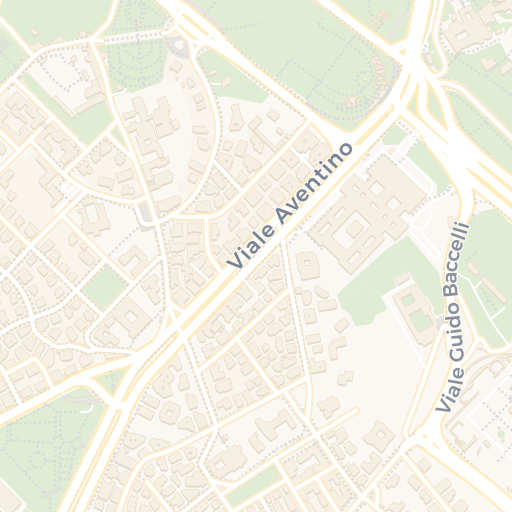
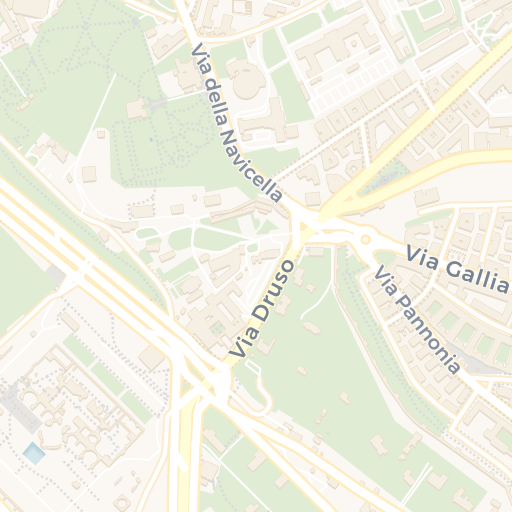
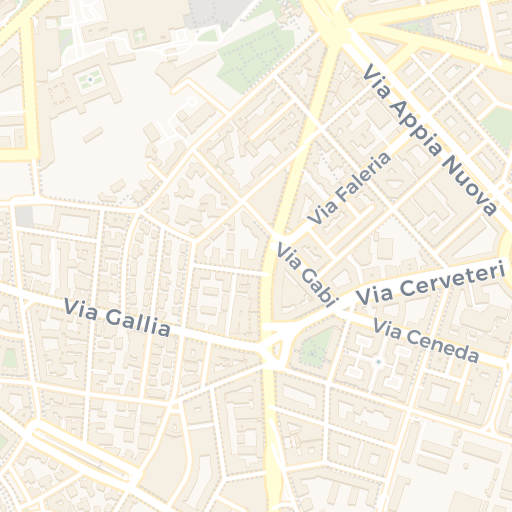
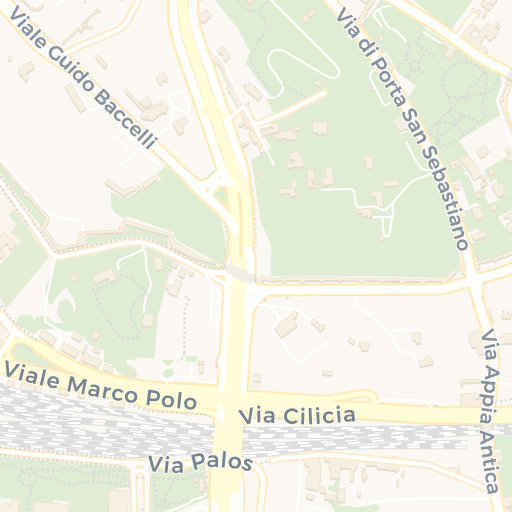
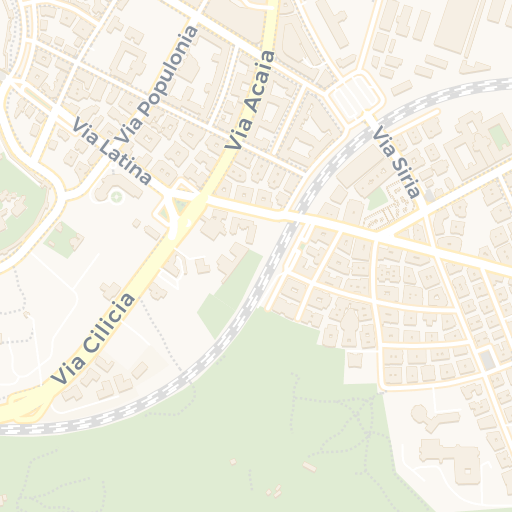
Get directions Open in Apple Maps
© OpenStreetMap contributors · © CARTO · 41.88026, 12.49276
Plan your visit
Best viewpoint: The natatio end of the central axis, looking back along calidarium–tepidarium–frigidarium, which is the only place the building's sequence reads as one line.
Closed Mondays, and the hours change five times a year
The Baths of Caracalla are closed every Monday. On Tuesday to Sunday the hours move with the season, and so does the last admission — the ticket office shuts at the same moment. A single closing time quoted anywhere else is wrong for most of the year.
| Period | Open (Tue–Sun) | Last entry and ticket office |
|---|---|---|
| 25 October – 28 February | 9.00 – 16.30 | 15.30 |
| 1 – 28 March | 9.00 – 17.30 | 16.30 |
| 29 March – 31 August | 9.00 – 19.15 | 18.00 |
| 1 – 30 September | 9.00 – 19.00 | 18.00 |
| 1 – 24 October | 9.00 – 18.30 | 17.30 |
Buy from the official channel, and only from it
Tickets for the archaeological area are nominative — issued in a name — and can be bought only through the official Musei Italiani portal at museiitaliani.it, the Musei Italiani app, or the ticket desks and automatic totems on site. The Soprintendenza Speciale di Roma declines all responsibility for purchases made through any other sales channel.
Guided tours and skip-the-line entry do not exist here. The operator states plainly that additional services of that kind are not provided at this site. If something is being sold to you as a Caracalla skip-the-line or official guided tour, it is not an official product. This is unusually worth knowing, because both are widely marketed.
Budget about €10–15*, but do not treat that as the price. The Soprintendenza publishes full opening hours and ticketing rules and no tariff at all, so the exact figure only appears when you reach the totem or open the app.
Ticket & Pass Decision Matrix
| Option | Cost | What it gets you | Queue and booking | Verdict |
|---|---|---|---|---|
| Ordinary ticket, official channel | Estimated €10–15* | The archaeological area and the Domus di Vigna Guidi | museiitaliani.it, the app, or the desks and totems on site | The only legitimate option. Nominative, so bring ID for the name on it. |
| Any "skip the line" | n/a | Nothing. The operator does not provide the service | n/a | Not a real product here. Do not buy it. |
| Any "official guided tour" | n/a | Also not provided by the site | n/a | Third-party guides exist; an official tour does not. |
| Domus di Vigna Guidi | Included in the ordinary ticket | Frescoes from a house older than the baths | No separate booking | Do it — but note it closes on very busy days such as the first Sunday of the month. |
What is free
The outside of the enclosure reads from the road, and it is worth two minutes even if you are not going in. Viale delle Terme di Caracalla runs along the complex, and the standing brick of the precinct is visible from the pavement and from the public green either side of it — enough to take the measure of a 337-metre rectangle without a ticket.
That is genuinely all, and it is a small fraction of the site. Everything that makes the visit — the central axis, the palestrae, the natatio, the underground galleries, the Mithraeum and the Domus di Vigna Guidi — is inside the fence. Unlike Trajan’s Market, whose famous facade is a street view, the Baths give away almost nothing from outside. The Domus is not a separate charge: it is included in the ordinary ticket.
* Our estimate, based on what comparable Rome sites charge — no price is published in advance, so check the exact figure when you buy.
Getting there
Viale delle Terme di Caracalla 52. Metro: Circo Massimo, or Porta Metronia. Bus: 760, 75 or 628 to Circo Massimo. Tram: 3 to Circo Massimo. It is a walk of roughly twenty minutes from the Colosseum, southward and mostly flat.
On the ground
Allow ninety minutes. The site is open, unshaded gravel and brick, so in summer the first or last two hours of the day are the only comfortable ones. The operator lists the site as accessible.
Verified against Soprintendenza Speciale Archeologia Belle Arti e Paesaggio di Roma, September 2026.
When to visit
Not Monday. The site is closed, in every season, with no exception published.
Early morning or the last two hours, in summer. This is an open ruin with almost no shade and a lot of reflective brick and gravel. From late June to August the middle of the day is genuinely unpleasant, and the long summer hours — open to 19.15 from 29 March to 31 August, last entry 18.00 — exist precisely so that the evening is usable.
Spring and autumn are the sweet spot. April to early June and late September into October give long enough days to use the late opening, without the heat. Note that hours step down on 1 September, again on 1 October and again on 25 October, each time with an earlier last entry.
Winter afternoons are short. From 25 October to 28 February the last entry is 15.30 and the gates close at 16.30. A visit planned for after lunch in January can fail simply on arithmetic.
Avoid the first Sunday of the month if the Domus matters to you. The Domus di Vigna Guidi is closed to the public on particularly busy days, and the operator names the first Sunday of the month as the example, to keep its frescoes from deteriorating.
Summer evenings bring the opera. The Rome Opera has staged its summer season here since 1937, now on a movable stage outside the main structure. It is a different way to be in the place, and it is not part of the archaeological visit.