

Historic Centre of Naples
Last updated on October 6, 2026Why visit Historic Centre of Naples
The Historic Centre of Naples is unusual because its oldest structure is not a monument but a street plan. The Greek grid still directs movement through medieval churches, Baroque palaces, workshops, homes and archaeological layers. It remains an inhabited part of the city rather than a district arranged only for visitors.
Visit if you:
- want to read more than two millennia of urban change in one walk
- enjoy streets where sacred buildings, food shops and homes share the same blocks
- want archaeology above and below ground rather than inside one enclosure
- care about how historic neighbourhoods continue to function
Skip it if you:
- expect one entrance, one route and one ticket; every interior is managed separately
- need a quiet, uniformly level walk; paving, slopes and crowding change from street to street
- have only an hour and want one self-contained monument
Quick facts
- Type: Site Complex, Historic Place, Neighborhood
- Local name: Centro storico di Napoli (vedi la pagina italiana)
- Visitor access: Open to visitors
- Reservation: Not required — tickets on the door
- Built: Re-established as Neapolis in 470 B.C.; continually reshaped thereafter
- Architectural style: Greek urban grid with medieval, Renaissance, Baroque and nineteenth-century layers
- Size: 1,021 ha; buffer zone 1,350 ha
- UNESCO inscription: 1995, criteria (ii) and (iv)
- Original urban framework: Rectangular Greek street grid
- UNESCO World Heritage Site: Yes
Visit responsibly
The centre remains a place of residence, work, worship and study. Keep doorways and narrow cross lanes open, lower your voice in shared courtyards and do not treat balconies or laundry as a public display.
Churches are active sacred spaces even when their art is the reason for entering. Follow posted dress and photography rules, and let services and private prayer take precedence over sightseeing.
Use the ZTL as a planning signal: arrive by metro or on foot instead of bringing another vehicle into streets already managed for limited traffic. The camera gates are enforcement, not a suggestion.
Spend beyond the most crowded strip of the Decumani. The World Heritage property extends well outside the few streets most visitors photograph, and its continuity depends on ordinary businesses and residents remaining part of it.
Where it is


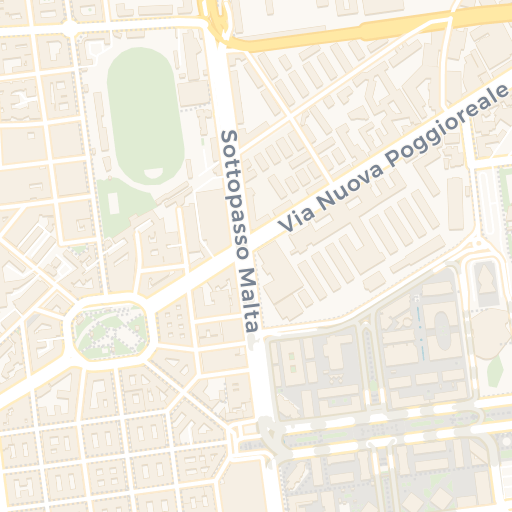
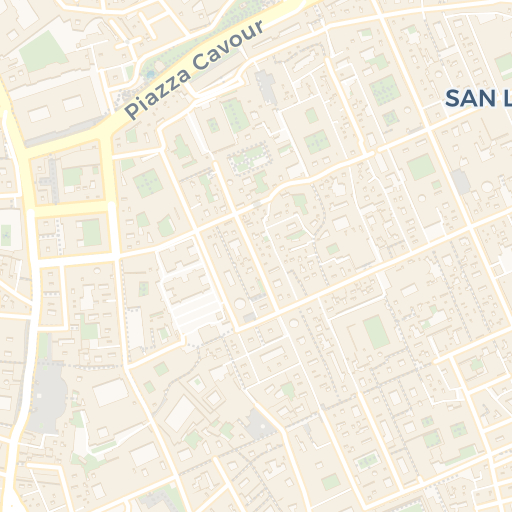

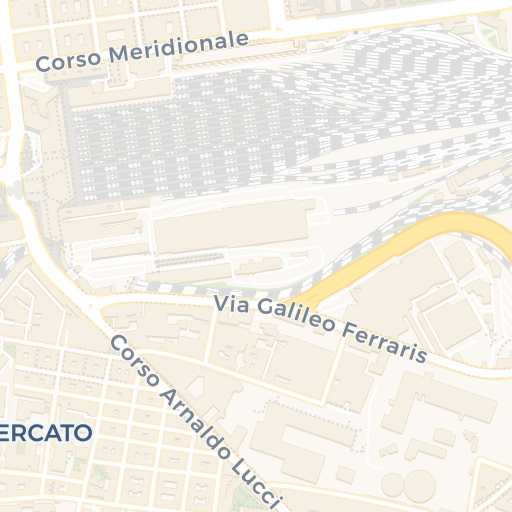
Get directions Open in Apple Maps
© OpenStreetMap contributors · © CARTO · 40.85139, 14.26278
Plan your visit
There is no single entrance. The Historic Centre is an open urban district, not a controlled attraction. Its streets and squares do not share a ticket or timetable. Churches, museums, underground routes and guided visits operate independently, so check each interior you intend to enter.
Build one clear line before adding detours. The Comune publishes a lower-decumanus itinerary from Piazza del Gesù Nuovo along Via Benedetto Croce and Via San Biagio dei Librai. Via dei Tribunali forms the parallel central route. Crossing between them makes the Greek grid understandable without trying to cover the full UNESCO property in one day.
Use the official street names. Visitor labels such as Spaccanapoli cover several addresses. A map that shows Via Benedetto Croce, Via San Biagio dei Librai, Via dei Tribunali and Via Duomo is more useful than one attraction pin.
Arrive by public transport. Line 1 stations around the broad centre include Dante, Duomo, Università and Museo. Driving is the poor option: camera-controlled restricted-traffic gates cover parts of the Centro Antico, and unauthorized vehicles are recorded automatically.
Plan for changing ground. Paving, gradients, steps, traffic and crowding vary by block. No single step-free itinerary represents the whole property. Choose a shorter segment and confirm access directly with any interior if mobility is a concern.
Verified against Comune di Napoli, October 2026.
When to visit
April through June and September through October are the easiest periods for an urban walk. Naples is cooler then than in July and August, while daylight remains useful for reading façades and crossing between interiors.
July and August are the hottest months in climate normals. Divide the centre into a morning route and a later visit rather than forcing the whole district into midday. October and November are markedly wetter, so shoes with reliable grip matter on stone paving.
Time of day is as important as season. Early morning gives the clearest streets but few open interiors. Later morning is the better compromise when churches, museums and workshops are part of the plan. Each interior keeps its own calendar.