

Herculaneum
Last updated on September 30, 2026Why visit Herculaneum
Herculaneum is the Vesuvian town where ordinary materials survived: wooden doors, roof timbers, food and carbonised papyri stand beside painted rooms and marble-clad houses. Its smaller excavated footprint lets a visitor read domestic life at close range, while the modern town remains visibly above the ancient one.
Visit if you:
- are interested in Roman houses rather than only forums and monuments
- want to compare volcanic preservation with Pompeii
- notice doors, ceilings, kitchens and painted walls
- can manage a descent and uneven archaeological paths
Skip it if you:
- need a completely level route or step-free access throughout
- expect the Villa dei Papiri to be open: the park says it is closed for works
- want a vast Roman city; the visible area is compact and much remains buried
Quick facts
- Type: Site Complex, Ruins, Historic Place, Roman
- Local name: Ercolano (vedi la pagina italiana)
- Visitor access: Open to visitors
- Admission: €16
- Reservation: Not required — tickets on the door
- Typical visit: About 2 hours 30 minutes
- Built: 6th or 7th century B.C.; buried A.D. 79
- Built by: Oscan, Greek, Samnite and Roman builders
- Built for: A Roman town and seaside settlement
- Architectural style: Roman domestic and civic architecture
- Depth: 20 m
- Volcanic burial: Approximately 20 metres of volcanic material covered the town in A.D. 79.
- Normal ticket: €16; official seasonal hours and concessions apply.
- UNESCO World Heritage Site: Yes
Visit responsibly
Exposed walls and painted surfaces deteriorate when visitors touch, lean on or climb them. Keep to the marked route and do not rest bags against ancient plaster; the pressure is concentrated on the edges of narrow houses.
Herculaneum is still an excavation and conservation site. Do not enter closed rooms or cross barriers to photograph a detail. The closed Villa dei Papiri is not an invitation to find an unofficial route.
The boat houses and shoreline hold human remains. Photograph from the visitor route, keep voices low in those spaces and do not treat the victims as a backdrop for posed images.
Arrive with the ticket rules in mind. Free-admission days require same-day collection at the ticket office, and using the official park or Artecard channels keeps the flow legible for a site whose access is already constrained by conservation.
Where it is
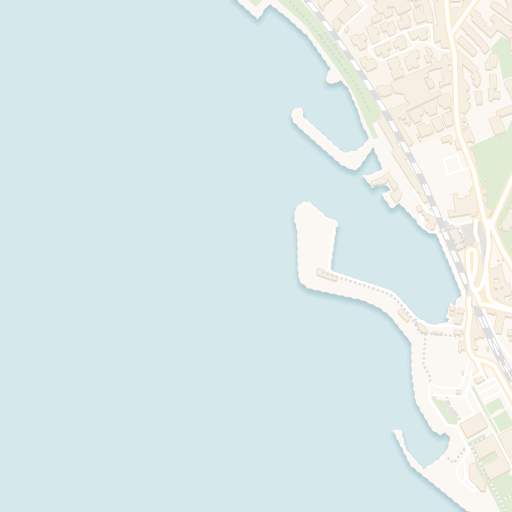
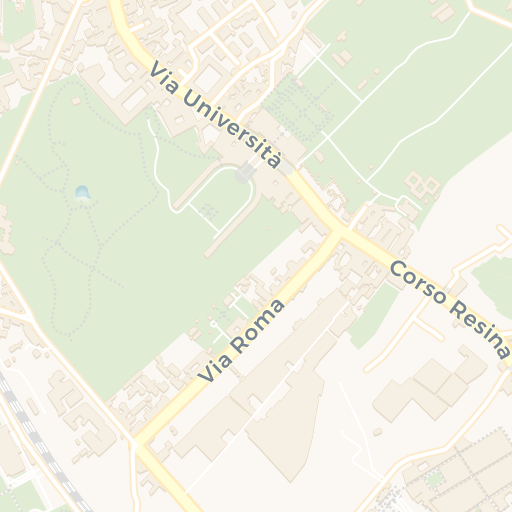
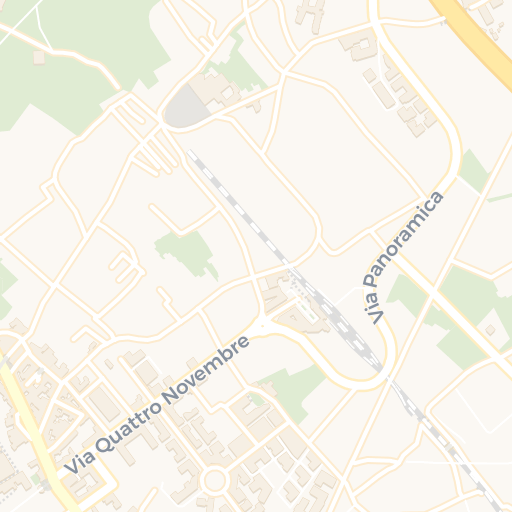

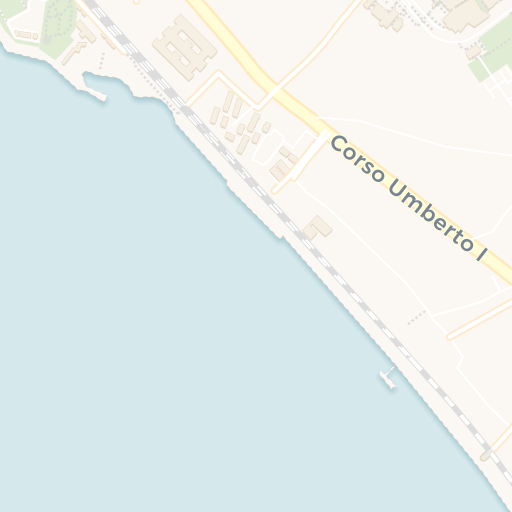
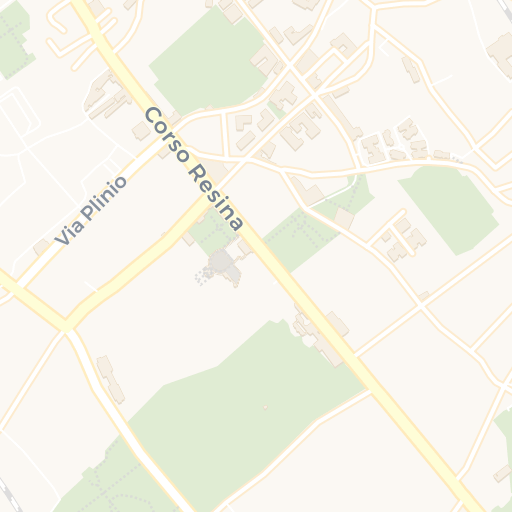
Get directions Open in Apple Maps
© OpenStreetMap contributors · © CARTO · 40.80536, 14.3471
Plan your visit
Admission: €16 · Normal ticket €16. Reduced €2 for ages 18–25. Free admission and free days follow the operator’s current concessions.
Prices verified September 2026
Best viewpoint: The modern terrace above the excavation, showing the ancient town below today’s ground level.
Hours and tickets
From 16 March to 14 October, the park is open daily 8.30–19.30, with last entry at 18.00; visitors must leave the archaeological area by 19.00. From 15 October to 15 March, it is open 8.30–17.00, with last entry at 15.30 and departure by 16.40. It is closed on 1 January and 25 December.
What is free
The whole excavated park is inside the admission system. Free admission applies on the first Sunday of each month and on 25 April, 2 June and 4 November; collect the same-day ticket at the park ticket office because those free tickets cannot be booked online.
The normal ticket is €16; visitors aged 18–25 pay €2, and legal exemptions apply. The park accepts Campania Artecard, including its Lite version. Show a ticket on paper or on a device at the entrance and keep it for registration at the turnstile. Visitors under 12 must be accompanied.
Check closures. The Villa dei Papiri is closed for excavation, maintenance, water management, slope restoration and accessibility works; the Ancient Theatre remains closed until further notice for urgent maintenance.
Plan the descent. The route combines ramps, steps and uneven ancient surfaces. Wear shoes with a firm sole, keep water accessible in summer and allow about 150 minutes for a careful visit. The terrace above the excavation is the clearest viewpoint before you go down.
Ticket & Pass Decision Matrix
| Option | Cost | What it covers | Queue and booking | Verdict |
|---|---|---|---|---|
| Standard entry | €16 | The excavated park areas open that day | Use the official ticket channel or ticket office; keep the ticket for the turnstile | The default for most adult visitors. |
| Official free-admission day | €0 | The open park route | Collect the ticket at the office that day; it cannot be reserved online | Good value, with a less predictable queue. |
| Ages 18–25 | €2 | The same open route | Carry proof of eligibility | Use the official reduction rather than a reseller offer. |
| Campania Artecard | Pass price varies | The operator accepts the pass, including Lite | Confirm the current activation procedure with the park | Useful only if the rest of the pass fits your Campania itinerary. |
| Third-party offer | Variable and not verified here | No extra access to closed areas | Any park turnstile and closure rules still apply | Use the park’s own channel unless a seller states a real additional service. |
Two turnstile rules. Keep the paper or digital ticket after showing it at the entrance because it is registered at the turnstile. Visitors under 12 must be accompanied, and no ticket or pass overrides a closure of the Villa dei Papiri or Ancient Theatre.
Verified against Parco Archeologico di Ercolano, September 2026.
When to visit
March to May and late September to October are the easiest months for a long outdoor visit: the park is open on the longer schedule from 16 March to 14 October, while the winter timetable shortens the afternoon. July and August bring the strongest heat on exposed paths, so use the first opening hours and keep the central part of the day for the shaded or indoor houses. Winter is quieter but closes earlier. Check the operator’s page before travelling because hours and special openings can change.