

Dashashwamedh Ghat and Ganga Aarti
Last updated on October 21, 2026Why visit Dashashwamedh Ghat and Ganga Aarti
Dashashwamedh makes the Ganges visible as a living sacred presence rather than a background to the city. At dawn, small acts of bathing, prayer and boat departure spread across the steps. At evening, the same river edge becomes a formal stage seen from the ghat and from boats.
The aarti is intensely crowded and highly photographed. A meaningful visit depends on respecting the ceremony rather than treating priests and worshippers as performers. Dawn is the better choice if you want space and ordinary riverfront rhythms.
Visit if you:
- want to understand how ritual organises Varanasi's public river edge
- can stand or sit in a dense crowd without blocking worshippers
- are prepared to arrive early and keep valuables secure
- want to compare the quiet dawn ghat with the formal evening aarti
Skip it if you:
- need a calm, step-free or low-crowd experience
- expect a private spiritual ceremony or fixed reserved seating without prior confirmation
Quick facts
- Type: Sacred Place, Site Complex, Historic Place, Activity
- Visitor access: Open to visitors
- Admission: Free
- Reservation: Not required — tickets on the door
- Built: Present masonry ghat associated with Peshwa patronage soon after 1735; renewed continuously
- Built by: Peshwa patrons and later riverfront benefactors
- Built for: Ganges access, bathing, worship and boat landing
- Architectural style: Stepped Ganges riverfront with accumulated shrines and ritual platforms
- Principal ritual: Daily evening Ganga Aarti
- Access: Public ghat with stepped river edge
Visit responsibly
The aarti is worship, not a stage show. Keep pathways open, lower your phone when requested and do not push between pilgrims for a closer angle.
Ask before photographing bathers, priests or identifiable worshippers. Privacy does not disappear because a ritual takes place in public.
Keep every plastic wrapper, foil-backed offering and synthetic decoration out of the Ganges. Use collection points and choose materials that local organisers can recover.
Before boarding a boat, agree the price and route, require a life jacket and refuse an overloaded craft. A cheaper unsafe trip shifts risk to workers as well as passengers.
Where it is
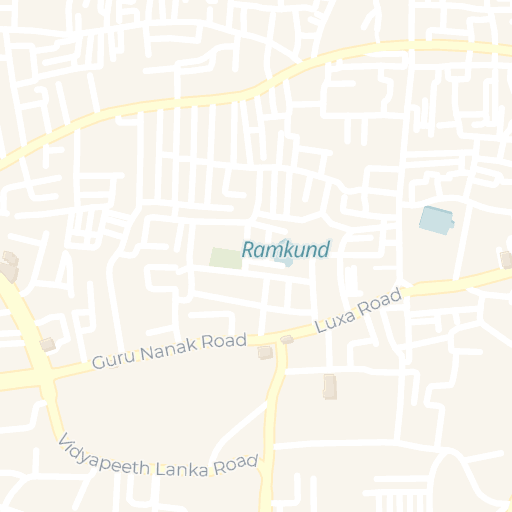
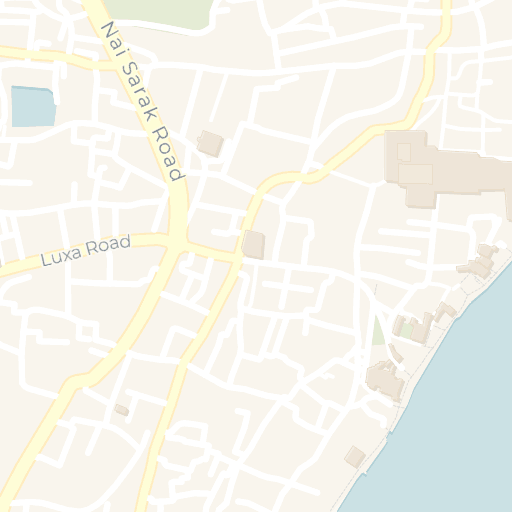
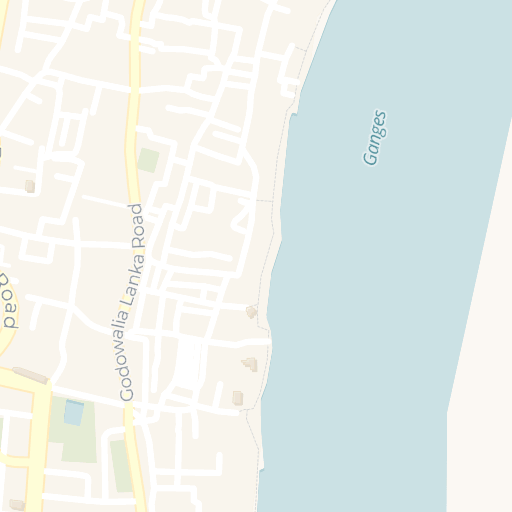
Get directions Open in Apple Maps
© OpenStreetMap contributors · © CARTO · 25.30717, 83.01034
Plan your visit
Admission: Free · Public ghat and public viewing areas are free; boat rides, guides and private terraces charge separately.
Prices verified October 2026
The ghat is public; boats and reserved viewpoints are separate
Dashashwamedh Ghat itself is an open public riverfront with no admission gate. The Ganga Aarti is a daily religious observance, but its start follows sunset and seasonal arrangements; confirm the current time locally on the day rather than relying on a fixed online hour.
What is free
Walking onto the public ghat and watching from an available public area is free. Boat rides, private terraces, guides, flowers and claimed reserved seats are separate commercial offers. Agree any charge before accepting the service.
Security and crowd controls intensify for festivals and major visits. Keep exits clear, carry little, protect valuables and follow police or organiser instructions. Do not pay anyone who represents a public step as mandatory ticketed access.
Verified against District Varanasi Administration, October 2026.
When to visit
October through March usually provides the most comfortable walking weather. Dawn is the best time to read the ghat as everyday sacred infrastructure: bathers, prayer and boats spread out before the lanes become fully busy.
The evening aarti occurs daily after sunset and draws the largest crowd; arrive well ahead but never occupy a worshipper's space or block a route. April through June can be intensely hot. Monsoon water can cover lower steps and change boat or ceremony arrangements. Dev Deepavali and major festivals are exceptionally dense and require a crowd plan, not just a camera.