

Monsoon Palace
Last updated on November 3, 2026What makes Monsoon Palace special
Monsoon Palace gives Udaipur its widest geographic explanation. From the hilltop, the old city, lakes, ridges and expanding modern edge can be read together instead of as separate attractions. The building itself adds a useful counterpoint to the city palaces below: compact, exposed and visibly incomplete, it records an ambitious observatory idea that changed after its patron died.
Challenge to visitors
Plan carefully if you:
- expect elaborate furnished interiors
- depend on a last-minute sunset ride, when demand and controls can be tight
Visiting tips and strategy
When to go
October through February offers comfortable hilltop temperatures and generally clearer long views. Morning often brings less traffic and haze than the sunset rush.
March through June is hot and the dry sanctuary has heightened fire pressure. The July–September monsoon gives the palace its most literal context, with greener slopes and dramatic cloud, but rain, mist and road controls can reduce visibility or access. Check current weather and entry arrangements before committing to the climb in any season.
Verified against India Meteorological Department city climate service, October 2026.
Getting there and getting in
Verify the hill access before leaving town
Monsoon Palace and the protected-area approach are ticketed or controlled, and vehicle rules, hours, last entry and tariffs can change. Check Rajasthan Tourism and current Forest Department information on the day of travel.
Allow two to three hours including the climb from central Udaipur. Sunset is popular and can produce queues; a clear morning may offer wider views with less pressure.
What can be seen without a palace ticket
The white summit silhouette is visible from many points around Udaipur, but the panoramic terraces and close architectural view require controlled hill access.
Verified against Government of Rajasthan, October 2026.
Quick facts
- Type: Palace, Historic Place, Nature
- Visitor access: Partial access
- Reservation: Not required — tickets on the door
- Typical visit: About 2 hours 30 minutes
- Built: Begun in the late 19th century; original plan left incomplete in 1884
- Built by: Maharana Sajjan Singh, with later adaptation under Maharana Fateh Singh
- Built for: An intended observatory, later adapted as a monsoon retreat and hunting lodge
- Architectural style: Late Mewar hilltop palace with terraces, arcades and chhatris
- Elevation: 900 m
- Original purpose: Astronomical observatory
- Setting: Sajjangarh protected landscape
Where it is
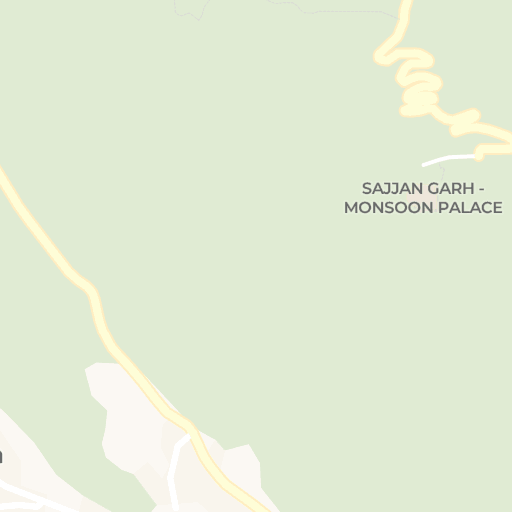
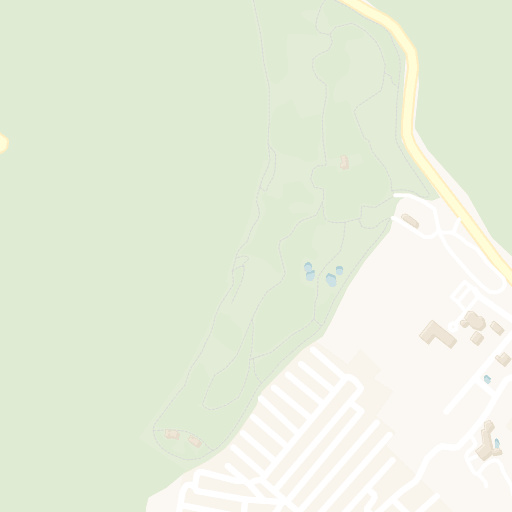
Get directions Open in Apple Maps
© OpenStreetMap contributors · © CARTO · 24.594, 73.639
Visit responsibly
Stay on the authorised road, terraces and paths. Shortcuts cut into thin hill soil and disturb protected sanctuary habitat.
Never feed wildlife or ask a driver to crowd an animal for a photograph. The approach road crosses habitat, not a drive-through exhibit.
Carry all waste back down the hill and do not smoke. Dry-season litter and ignition sources increase fire risk around the palace.
Keep behind barriers on the exposed terraces. Climbing a parapet for an unobstructed city view risks both a fall and damage to historic masonry.