

Lake Pichola
Last updated on November 3, 2026What makes Lake Pichola special
Lake Pichola makes Udaipur legible. From the shore or a boat, separate landmarks resolve into one composition: City Palace climbing the east bank, island palaces held low over the water and hills beyond the urban edge. The lake also changes through the day. Morning is quiet and clear, afternoon exposes the working waterfront, and evening turns façades and reflections into silhouettes.
Challenge to visitors
Plan carefully if you:
- need guaranteed boat access, because operations depend on current conditions
- expect the water level and clarity to look the same year-round
Visiting tips and strategy
When to go
October through February usually brings comfortable shore walks and clear long views. Morning is calm; late afternoon adds warmer light but also the heaviest demand for boats and viewpoints.
March warms quickly, and April through June can be harsh on exposed ghats. The July–September monsoon may replenish the lake and deepen the surrounding green, but rain, runoff and variable operations require flexibility. Water level and clarity follow seasonal conditions rather than a fixed calendar, so check locally after an unusually weak or strong monsoon.
Verified against India Meteorological Department city climate service, October 2026.
Getting there and getting in
Choose the shore before choosing a boat
Public ghats and many street viewpoints are free. Boat rides are separately ticketed, and routes, prices, hours and boarding points change with the operator, season, water level and official controls.
Confirm whether a ticket includes an island stop or only a circuit. Sunset departures are popular but not the only rewarding option; morning often gives calmer movement and clearer air.
A strong visit without a ticket
Walk a public ghat, cross to a western viewpoint and return after dusk. This gives several of the lake’s essential perspectives without taking a boat.
Verified against Government of Rajasthan, October 2026.
Quick facts
- Type: Nature, Activity, Historic Place
- Visitor access: Open to visitors
- Reservation: Not required — tickets on the door
- Typical visit: About 2 hours
- Built: Created in the 14th century and enlarged after 1559
- Built by: An early local embankment, later expanded by the rulers of Mewar
- Built for: Water storage, city supply, movement, defence and royal landscape
- Architectural style: Engineered urban lake with masonry ghats, palace shores and islands
- Size: An irregular urban lake within Udaipur’s connected lake system
- Created: 14th century
- Key islands: Jagniwas and Jagmandir
Where it is
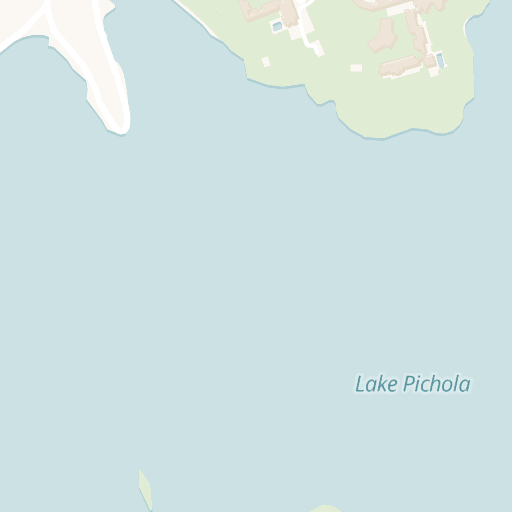
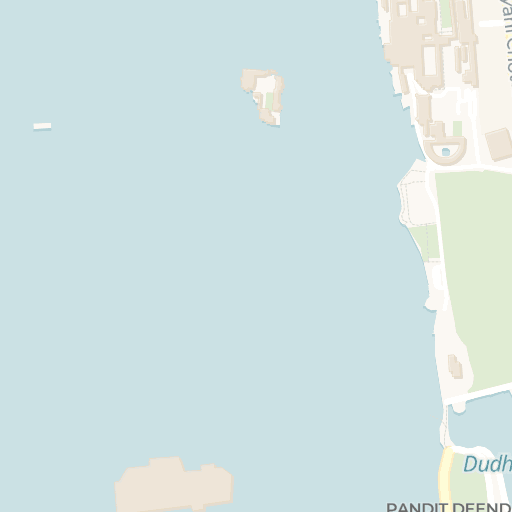
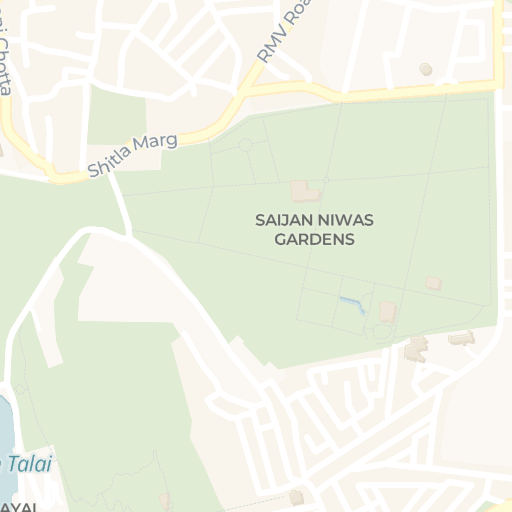
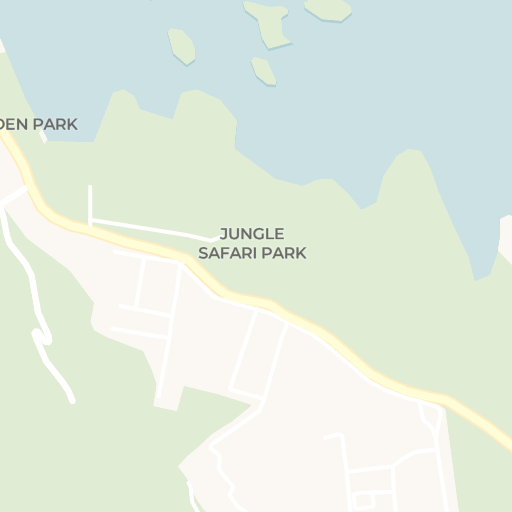
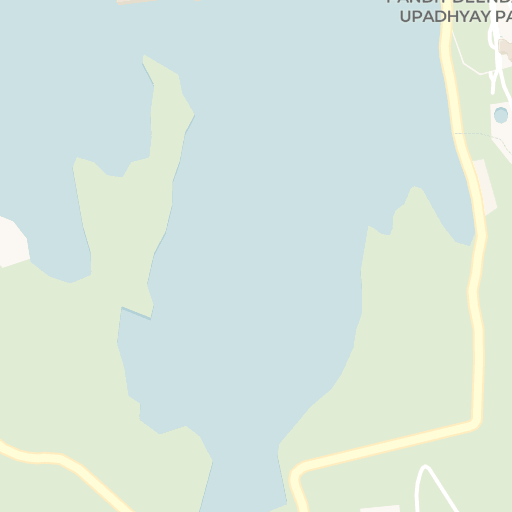
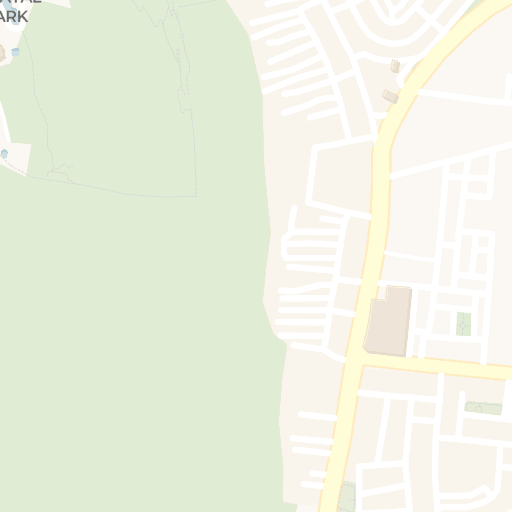
Get directions Open in Apple Maps
© OpenStreetMap contributors · © CARTO · 24.572, 73.679
Visit responsibly
Keep food and plastic out of the water. An artificial urban lake concentrates whatever enters from its shores and drains.
Do not feed birds or fish from ghats or boats. Feeding changes behaviour and adds waste to already pressured water.
Use authorised boats and wear the provided life jacket. Asking an operator for an unapproved landing or closer wildlife approach adds risk and shoreline disturbance.
Treat working ghats as shared civic spaces. Keep clear of rituals, washing, mooring and local movement instead of arranging people as background scenery.