

Jagdish Temple
Last updated on November 3, 2026What makes Jagdish Temple special
Jagdish Temple brings sacred architecture into the dense fabric of Udaipur’s old city. Its vertical tower and heavily carved walls emerge from narrow streets, creating a stronger sense of scale than an isolated monument would. The temple rewards slow observation: bands of dancers, musicians, animals and deities become clearer as you circle the exterior, while the interior shifts attention from sculpture to worship.
Visit if you:
- want to see an active Mewar temple close to City Palace
Challenge to visitors
Plan carefully if you:
- need step-free access to the main platform
- prefer a museum-like space without worship or ritual sound
Visiting tips and strategy
When to go
October through March offers the easiest weather for the steep approach and stone platform. Early morning brings active worship and softer light; visit quietly and give devotees priority.
April through June can make the exposed stair uncomfortably hot, especially around midday. Monsoon rain cools the city but can leave steps slippery. Festival days offer richer ritual context and much larger crowds, so they suit visitors comfortable observing a living religious event rather than expecting an unhurried architectural circuit.
Verified against India Meteorological Department city climate service, October 2026.
Getting there and getting in
Admission: Free · General worship access is normally free; donations are voluntary and special arrangements can change.
Prices verified October 2026
Enter as a guest of an active temple
General worship access is normally free, but ceremonies, festivals and temple decisions can change which areas visitors may enter. Check locally and follow staff or priest instructions rather than relying on fixed online hours.
Dress with shoulders and knees covered, remove footwear where indicated and ask before photographing worship or the sanctuary. A short architectural visit may take 30–45 minutes; allow longer if a service is in progress.
What can be seen without climbing
The stair, entrance and upper tower are visible from Jagdish Chowk, though the finest carving and sacred spaces are on the raised platform.
Verified against Government of Rajasthan, October 2026.
Quick facts
- Type: Temple, Sacred Place, Historic Place
- Visitor access: Partial access
- Admission: Free
- Reservation: Not required — tickets on the door
- Typical visit: About 45 minutes
- Built: Completed in 1651
- Built by: Commissioned by Maharana Jagat Singh I
- Built for: Worship of Jagannath, a form of Vishnu
- Architectural style: Seventeenth-century Mewar Hindu temple in a panchayatana plan
- Height: 24 m
- Completed: 1651
- Main dedication: Jagannath (Vishnu)
Where it is
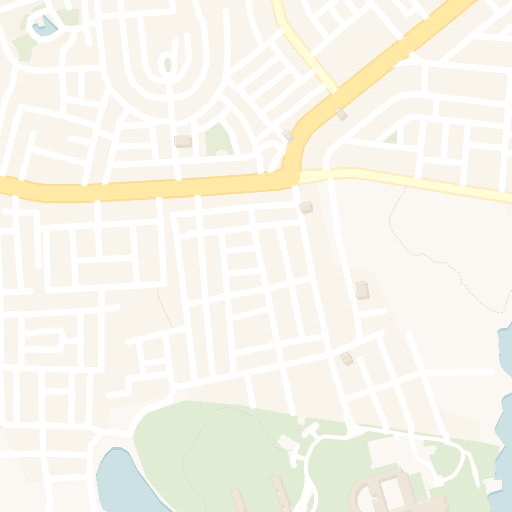
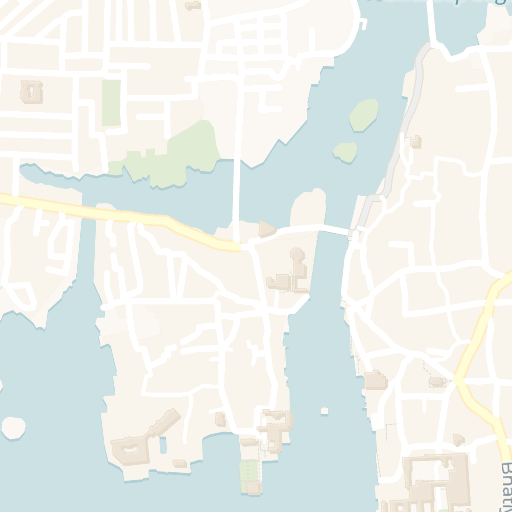
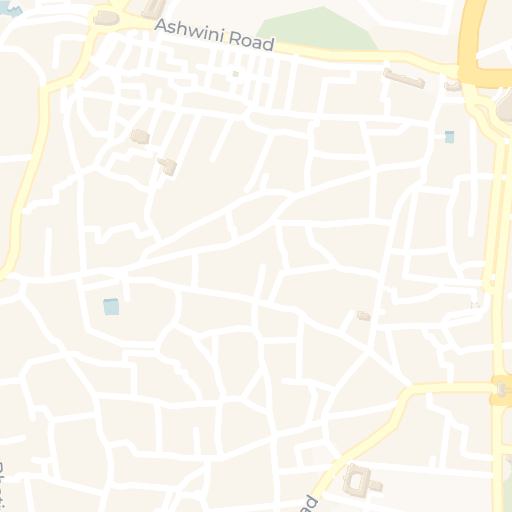
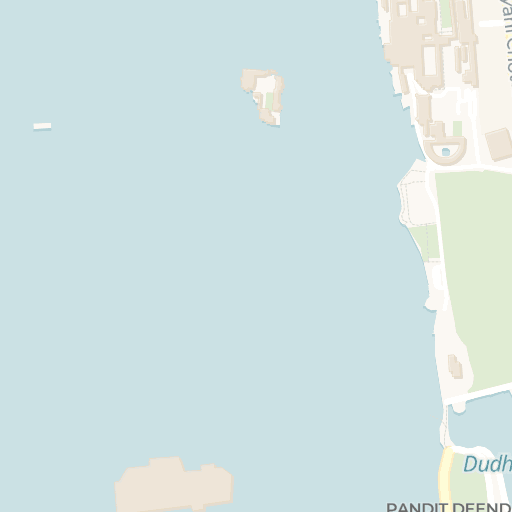
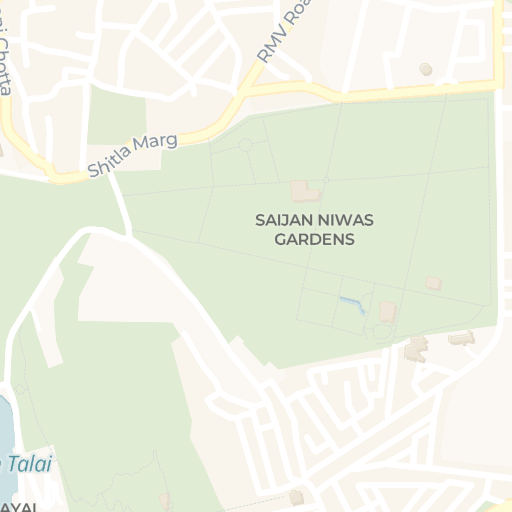
Get directions Open in Apple Maps
© OpenStreetMap contributors · © CARTO · 24.5796, 73.6833
Visit responsibly
Remove footwear and follow the current photography rules. The sanctuary is a place of worship, not a set for portraits.
Keep the central axis and doorways clear during prayers. Devotees should not have to move around a sightseeing group to reach the shrine.
Do not touch carvings or lean bags against sculpted walls. The narrow platform concentrates contact on already worn stone.
Keep food and plastic offerings contained, and do not feed pigeons on the steps. Waste quickly collects around the carved exterior.