

Mandore Gardens
Last updated on November 3, 2026What makes Mandore Gardens special
Mandore gives Jodhpur a history before Mehrangarh. Its temple-shaped cenotaphs and layered sacred landscape explain how the Rathores remembered earlier capitals and later rulers.
Challenge to visitors
Plan carefully if you:
- need consistently smooth, step-free paths across the whole complex
- are uncomfortable around free-ranging monkeys or busy local recreation areas
Visiting tips and strategy
When to go
Arrive early from October through March. Cooler temperatures make the spread-out grounds easier to explore, and morning is better for reading carved surfaces without harsh glare.
April through June is intensely hot and much of the route is exposed. Monsoon rain brings greener gardens but can make stone steps slippery. Weekends and late afternoons may be busier with local recreation.
Verified against India Meteorological Department, October 2026.
Getting there and getting in
Decide which parts matter before arrival
Incredible India currently gives a 09:00–17:00 window for the Mandore visitor attraction, but the gardens, museum, shrines and protected structures can follow different schedules or ticket rules. Confirm the current museum opening and any separately controlled monuments.
Allow two hours for the core cenotaphs and gardens, longer if the museum is open and you explore the upper terraces.
What may be free
General garden access has often been open or low-cost, while museum or specific monument areas may be controlled separately. Treat this as changeable and verify locally rather than assuming the whole complex is free.
Verified against Incredible India, Ministry of Tourism, October 2026.
Quick facts
- Type: Site Complex, Garden, Monument, Historic Place
- Visitor access: Partial access
- Reservation: Not required — tickets on the door
- Typical visit: About 2 hours
- Built: Former capital before 1459; principal royal cenotaphs added in the 17th and 18th centuries
- Built by: Successive rulers and patrons of Marwar
- Built for: Capital, sacred landscape and royal commemoration
- Architectural style: Red-sandstone Rathore cenotaphs shaped like Hindu temples
- Former role: Capital of Marwar
- Main monuments: Temple-shaped royal cenotaphs
Where it is
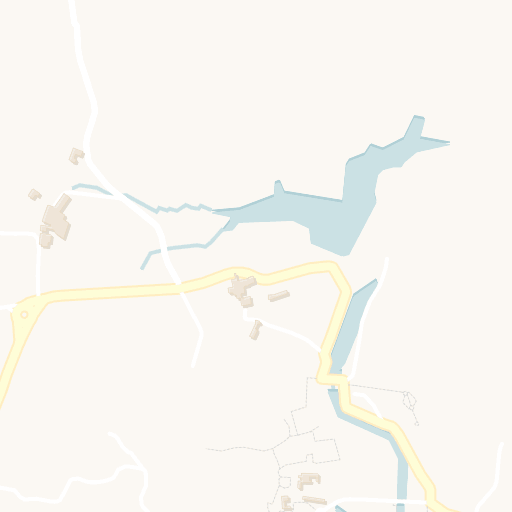
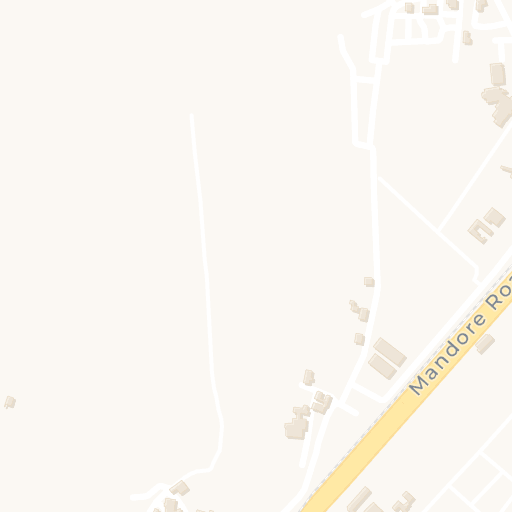

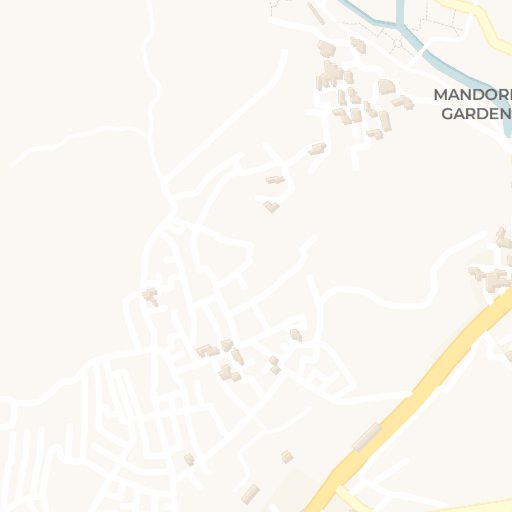
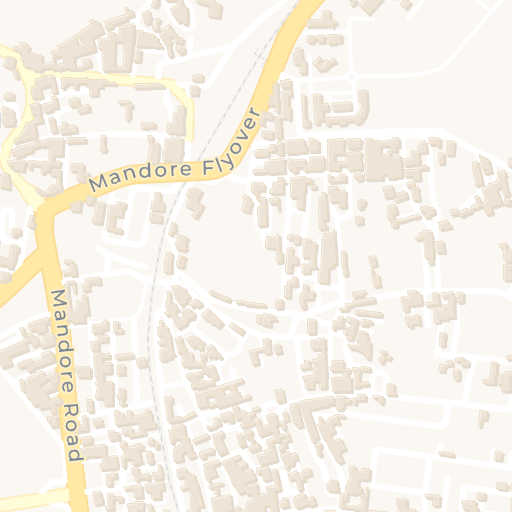
Get directions Open in Apple Maps
© OpenStreetMap contributors · © CARTO · 26.35245, 73.03527
Visit responsibly
Distinguish ruins from living sacred spaces. Follow local guidance on shoes, photography and offerings at active shrines.
Do not climb cenotaph walls, sit on carved elements or enter closed structures.
Never feed monkeys. Keep food packed and use secure bins so animals are not drawn toward visitors and monuments.
Stay on established paths around foundations and rocky slopes, and carry every wrapper out if bins are full.