

Jantar Mantar, Jaipur
Last updated on October 27, 2026Why visit Jantar Mantar, Jaipur
Jantar Mantar makes mathematics physical. Stairs become scales, walls become quadrants and a triangular gnomon casts a moving shadow across calibrated marble.
It also complicates the usual story of Jaipur as a city of palaces and markets. Its ruler used the new capital as a centre for comparing Indian, Islamic and European astronomical traditions.
Visit if you:
- want a UNESCO site where the original function can still be demonstrated
- enjoy science, geometry, architecture or the history of measurement
- can spend time listening rather than simply photographing forms
Plan carefully if you:
- are visiting at midday in hot weather, because almost all of the route is exposed
- expect every instrument to be self-explanatory without interpretation
Quick facts
- Type: Site Complex, Monument, Historic Place
- Visitor access: Open to visitors
- Reservation: Not required — tickets on the door
- Typical visit: About 1 hour 15 minutes
- Built: Built mainly from 1728 to 1734
- Built by: Commissioned by Sawai Jai Singh II with astronomers, mathematicians and builders
- Built for: Naked-eye astronomical observation and the improvement of astronomical tables
- Architectural style: Monumental masonry astronomical instruments
- Size: Nineteen principal instruments; UNESCO property of 1.8652 hectares
- Completed: 1734
- UNESCO inscription: 2010
Visit responsibly
Never climb an instrument unless the marked visitor route and staff explicitly permit it. Footwear and hands can abrade calibrated surfaces.
Do not trace scale markings with fingers or place bags against plastered walls.
Choose authorised interpretation and ask guides to distinguish recorded instrument functions from simplified anecdotes.
Keep water with you but take food waste away from the instrument court. Do not feed birds.
Respect barriers introduced for conservation even when an apparently open stair offers a better photograph.
Where it is
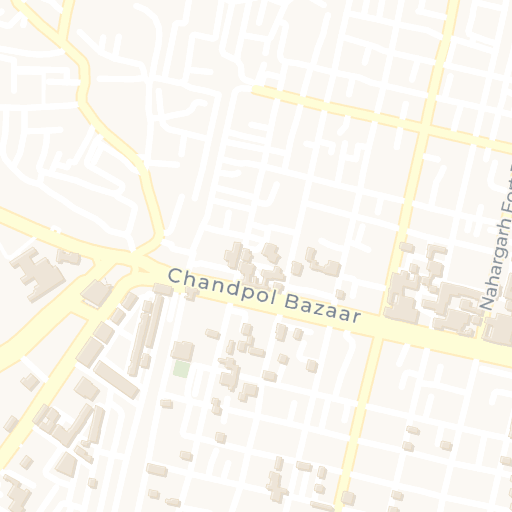
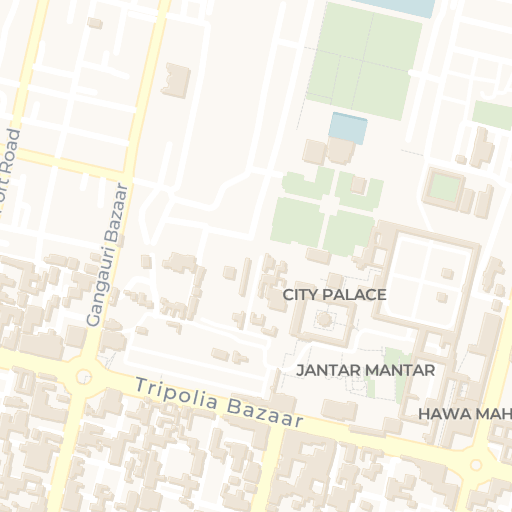
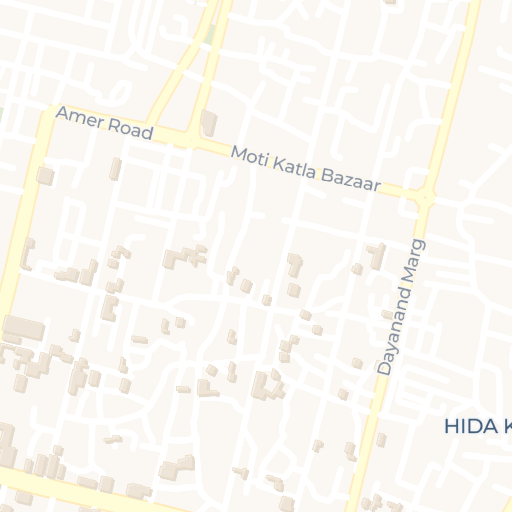
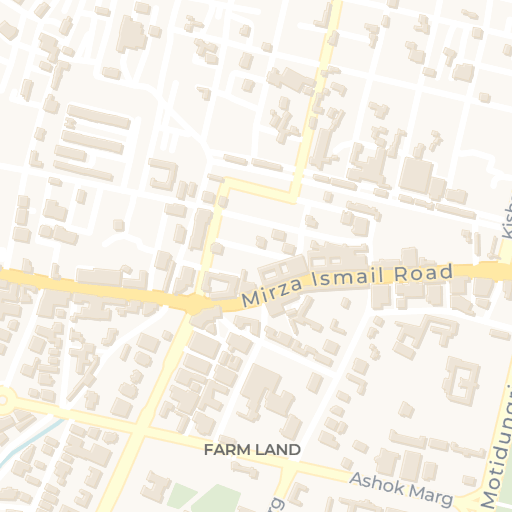
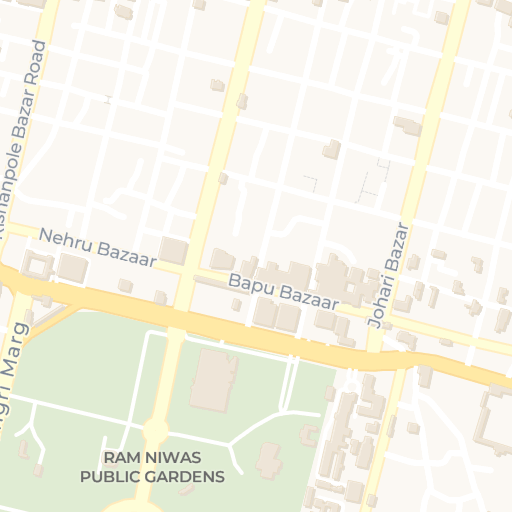
Get directions Open in Apple Maps
© OpenStreetMap contributors · © CARTO · 26.92472, 75.82444
Plan your visit
Use interpretation, not just a camera
Jantar Mantar is a paid Rajasthan monument. Rajasthan Tourism currently publishes daytime opening and category-based admission, but hours and tariffs should be confirmed through the official site or state ticketing service before travel.
Allow 60–90 minutes. An authorised guide, official interpretation or a prepared instrument map greatly improves the visit because similar-looking forms perform different calculations.
What can be seen without a ticket
Only limited instrument tops and the surrounding urban context are visible from outside. The calibrated surfaces and relationships between instruments require entry.
There is little shade in the main enclosure. Carry water, use sun protection and avoid planning the visit at the hottest part of the day.
Verified against Government of Rajasthan, October 2026.
When to visit
Choose a clear morning from November through February. Temperatures are gentler, shadows are easy to observe and you can combine the site with City Palace before afternoon crowds.
Cloud cover reduces live solar demonstrations, while April through June brings intense heat across exposed paving. Monsoon rain may interrupt observation and make surfaces slippery. The instruments remain historically meaningful without sun, but a bright, low-angle visit makes their function immediately easier to see.